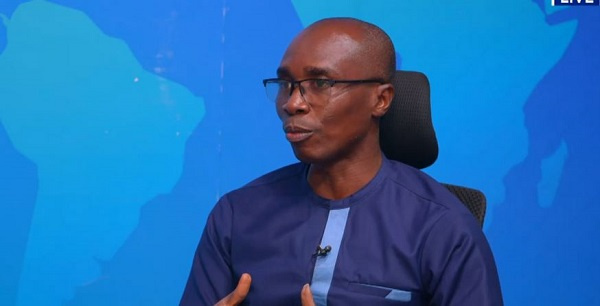
Economist Professor Patrick Asuming has called on government to articulate a credible fiscal strategy that extends beyond Ghana’s IMF-supported programme, warning that the absence of a clear post-programme roadmap could undermine confidence in recent macroeconomic gains.
His comments follow the IMF Executive Board’s completion of the fifth review of Ghana’s programme, which approved the immediate disbursement of about US$385 million after the Fund described Ghana’s performance as broadly satisfactory.
The IMF said recent reforms are yielding results, noting that key performance indicators have been met after policy slippages recorded last year.
Speaking to Citi Business News, Professor Asuming said while the 2026 Budget will be an important test of government’s commitment to fiscal discipline, authorities must also communicate a long-term framework that reassures markets and the public that past patterns of fiscal indiscipline will not return once IMF support ends.

“There is a sense that this year’s budget will be implemented in line with the programme,” he said. “What is crucial, however, is for government to reassure Ghanaians that once we exit the programme, we will not return to the fiscal indiscipline of the past.”
He noted that although the budget aligns with IMF targets, there has been limited communication on the broader fiscal strategy beyond the programme and government’s priority initiatives.
“I think it is important that government puts out a believable plan for how the economy will be managed after exiting the IMF programme,” he stressed. “We have passed fiscal rules and regulations before, yet still fell back into indiscipline. The key issue now is clarity on how those rules will be enforced to ensure we do not return to another IMF programme.”
Professor Asuming welcomed the IMF’s fifth-review assessment, describing it as consistent with expectations.
“If you look at the indicators the programme tracks, most of them are performing well,” he said. “After the challenges toward the end of 2024, government appears to have steadied the ship and brought the indicators back on track. So the outcome was largely what I expected.”
He maintained that sustaining the current stability will depend on credible post-IMF fiscal governance that anchors discipline beyond programme conditionalities.