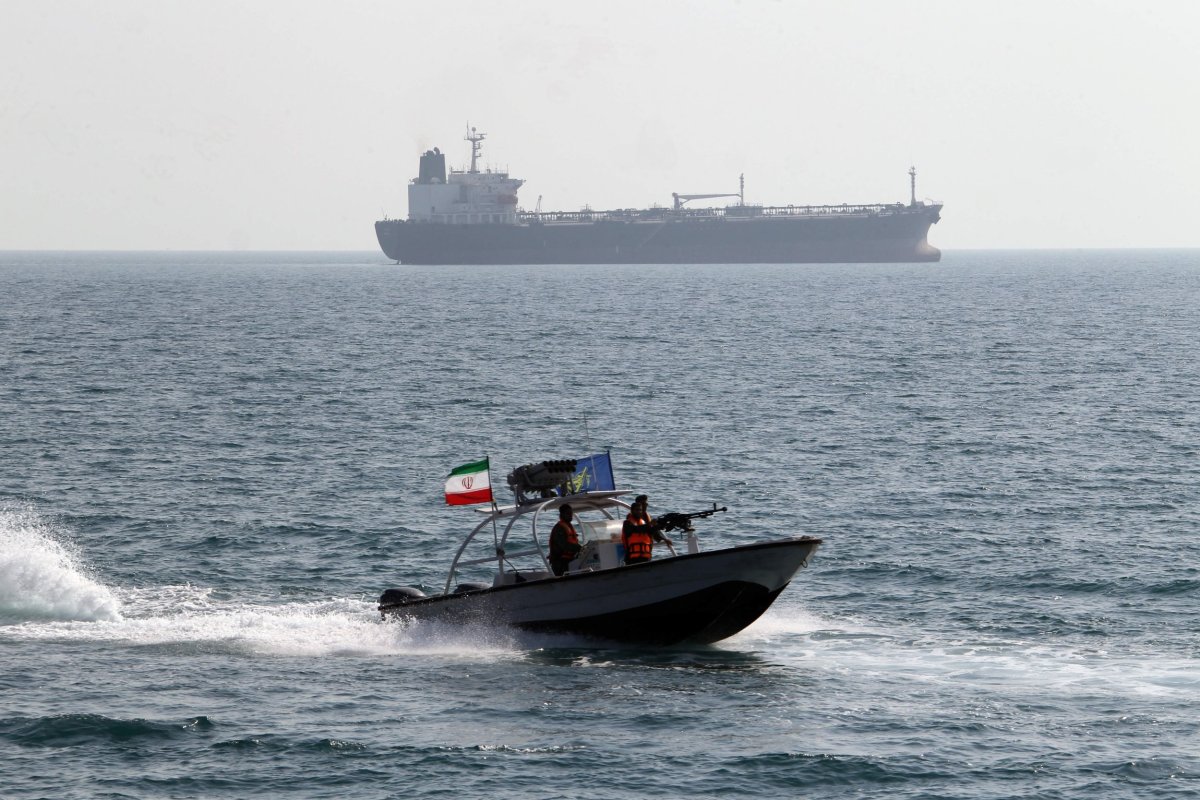
China has unsettled Iran by backing the United Arab Emirates in a decades-old dispute over three strategically located islands in the Persian Gulf.
Beijing’s position has revived a sensitive sovereignty issue for Tehran and sharpened scrutiny of China’s regional balancing act, as it seeks to expand ties with Arab Gulf states while maintaining its much touted strategic partnership with Iran.
Newsweek has contacted Iran and China’s foreign ministries for comment.
Why It Matters
The episode highlights the limits of Iran’s reliance on China at a time when Tehran increasingly looks east to counter Western pressure and sanctions. While Iranian officials have portrayed ties with Beijing as a pillar of foreign policy, China’s stance on the islands underscores its willingness to prioritize broader regional and energy interests.
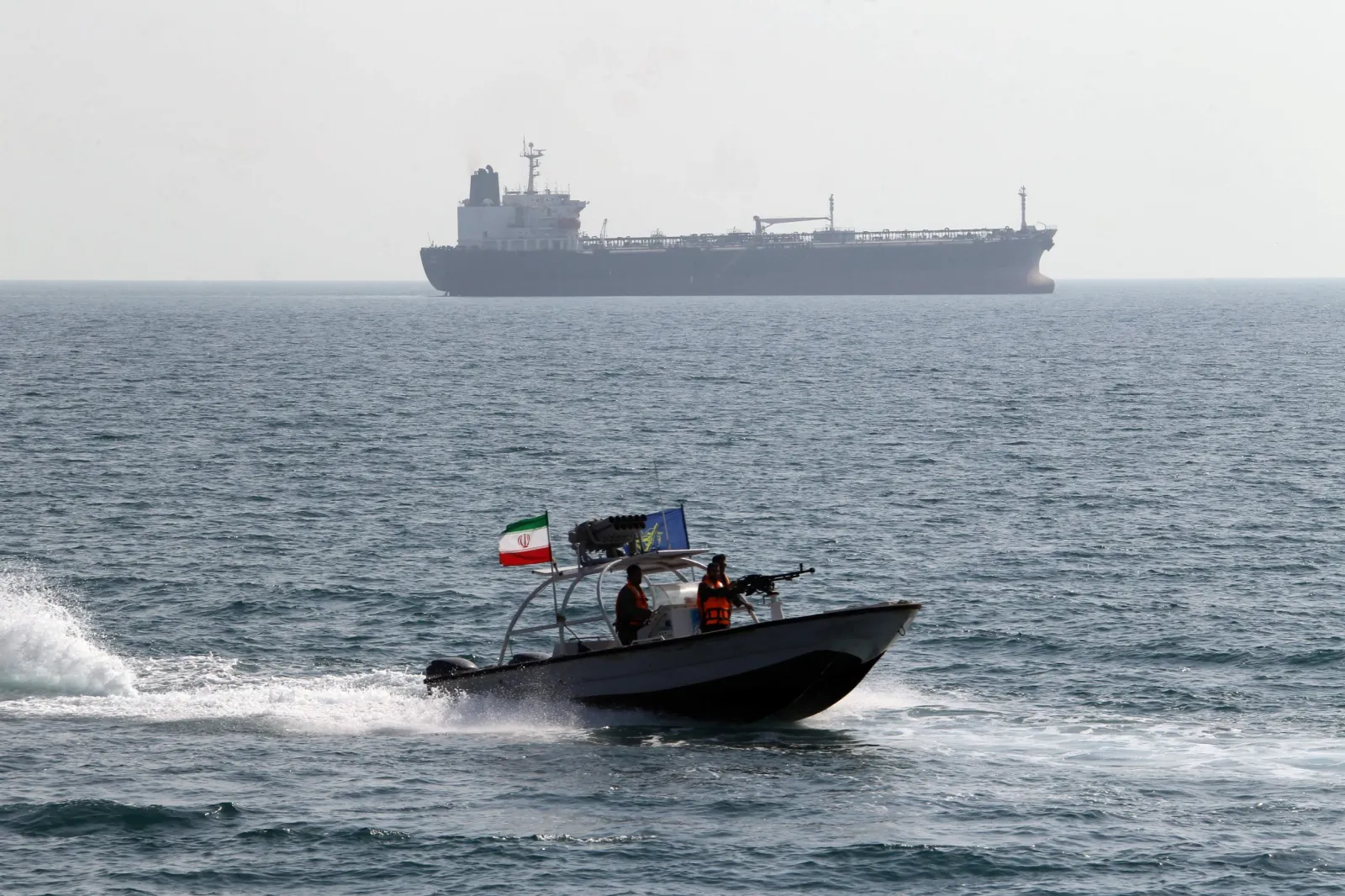
The dispute also carries wider implications for regional stability. The three islands sit near the Strait of Hormuz, a vital maritime chokepoint through which about one-fifth of the world’s total oil consumption passes, making their status a recurring concern for global energy markets.
What to Know
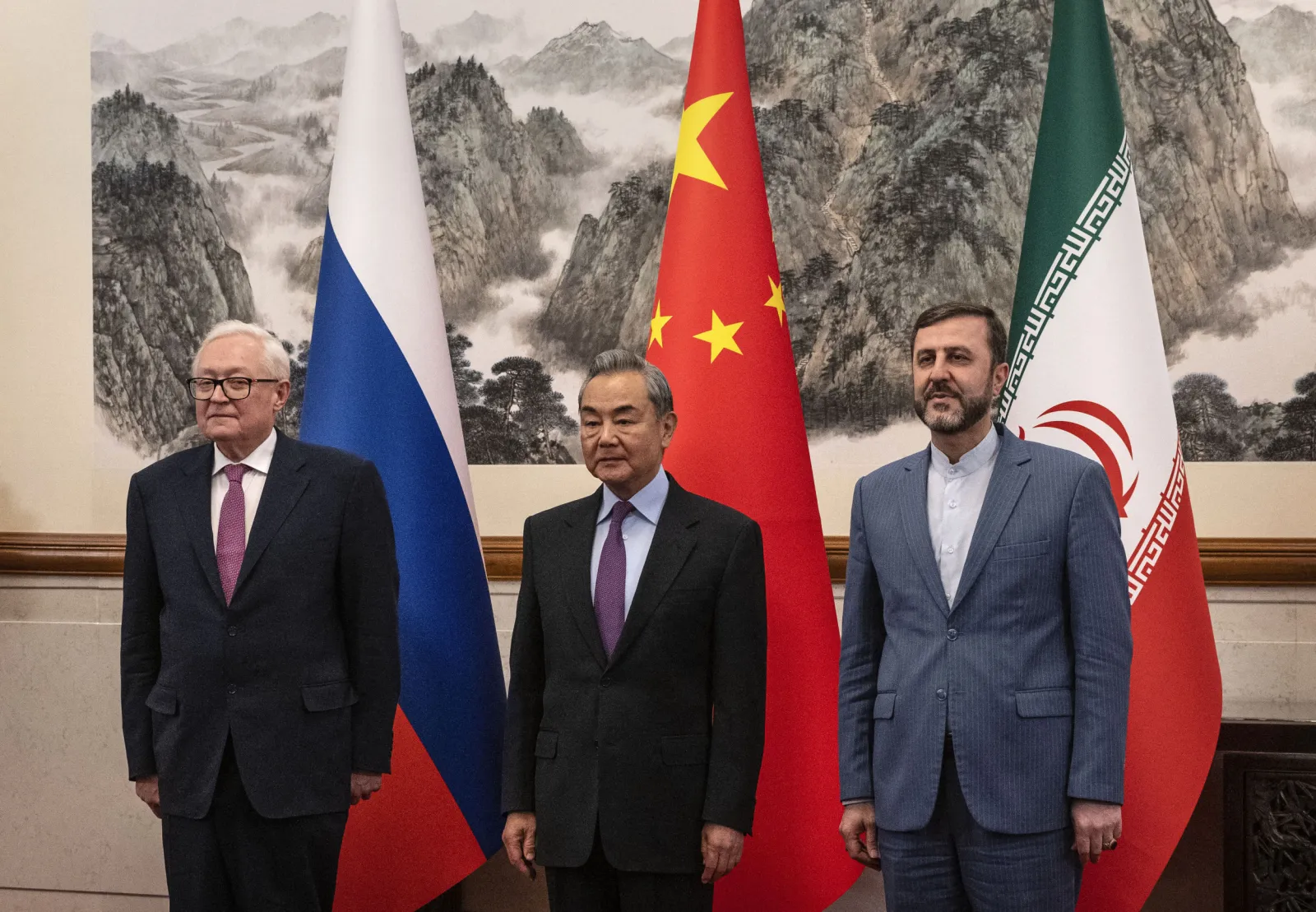
Tensions surfaced this week after a joint statement was issued following Chinese Foreign Minister Wang Yi’s visit to Abu Dhabi, in which Beijing expressed “support for the efforts of the UAE to reach a peaceful solution to the dispute” over Greater Tunb, Lesser Tunb and Abu Musa.
Iranian Foreign Ministry spokesman Esmaeil Baqaei responded by criticizing what he described as the UAE’s “insistence on misusing every diplomatic delegation’s visit” to advance its claims. While Baqaei did not explicitly name China, Iranian media interpreted the remarks as a diplomatic setback for Tehran.
Media Backlash
Although Baqaei did not directly criticize China, Iranian media and political figures were far more pointed in their assessments, framing Beijing’s stance as a challenge to Iran’s sovereignty. Hard-line newspaper Kayhan, argued that China’s position amounted to a contradiction of its own red lines, writing that Beijing “has implicitly accepted that its own claim over Taiwan is disputable and should be resolved through negotiations.”
Ahmad Naderi, a member of the presiding board of Iran’s conservative-leaning parliament, accused China of applying a “double standard,” arguing that Beijing could not insist on strict adherence to its One China policy while questioning Iran’s territorial integrity.
State-affiliated Mehr news agency framed the issue in similar terms, noting that China considers “any mention of its territorial integrity a violation of its security red line,” and argued that Beijing’s endorsement of the joint statement “is unjustifiable and cannot be ignored.”
Origins of the Islands Dispute
The sovereignty dispute dates back more than five decades. Iran took control of the three islands on November 30, 1971, one day before Britain withdrew from the Persian Gulf and the UAE was formally established. Tehran maintains that its claims extend back centuries, to the Persian Empire.
British files declassified in 2022 showed that London had agreed to transfer Greater and Lesser Tunb to Iran while establishing a joint Iranian–Emirati administration over Abu Musa. The dispute intensified in the early 1990s, when Iran tightened its control over Abu Musa and expanded its military presence.
Iran has consistently rejected calls by Gulf Arab states for arbitration or adjudication, including at the International Court of Justice, insisting the islands are an inalienable part of its territory.
What Happens Next
Iran is unlikely to alter its position on the islands, but China’s repeated alignment with Gulf Arab states is expected to intensify debate in Tehran over the risks of relying on strategic partners whose regional priorities increasingly diverge from Iran’s own.