Published on
December 20, 2025

Madrid is once again at the heart of global travel and tourism as FITUR 2026 brings industry leaders, destinations, and travel professionals together for business and cultural exchange. Among the key delegations at the event is South Korea, which has arrived with a clear mission: to deepen ties with Spain and expand tourism business opportunities between the two nations. This move highlights how international travel cooperation is evolving and why FITUR remains one of the most important global platforms for tourism growth.
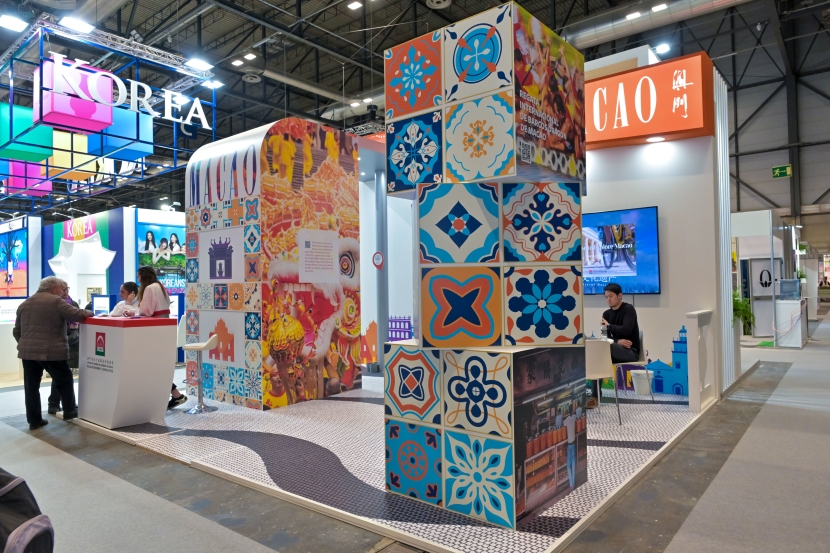
FITUR, formally known as the Feria Internacional de Turismo, is the world’s premier tourism trade fair. Organized annually at IFEMA MADRID, the event attracts thousands of professionals from tour operators, travel agencies, destination management companies, airlines, hotels, and tourism boards from across the world. For 2026, the fair is scheduled to take place from January 21 to 25 at the expansive IFEMA complex, where tourism business leaders gather to explore new markets, strengthen partnerships, and showcase travel products and destinations.
Korea’s Strategic Participation to Expand Travel Business
The Korean delegation’s presence at FITUR 2026 underscores a strategic push to enhance tourism cooperation and business engagement with European partners, particularly Spain. Korea’s tourism stakeholders are using this global stage to connect with travel professionals, promote Korean destinations, and discover collaborative opportunities that can drive travel flows between East Asia and Europe.
While the official Korean tourism body’s detailed agenda at FITUR has not been published in the press report, the participation itself reflects Korea’s broader international tourism development strategy. South Korea has been actively promoting its travel market abroad through partnerships, travel exhibitions, and destination showcases to attract European visitors. FITUR offers a perfect platform for this because it draws a wide range of global tourism stakeholders in one place.
What FITUR 2026 Offers the Travel Industry
FITUR 2026 is more than just a trade show; it is the global crossroads of tourism opportunities. The fair brings together professionals and public institutions from more than 150 countries. Exhibitors include destination marketing organisations, tourism boards, airlines, hotel brands, tour operators, technology innovators, and travel service providers. This mix ensures a flow of ideas, innovation, and business discussions that influence travel trends for the year ahead.
For travel professionals, FITUR provides several key opportunities:
Networking and Partnerships: Delegates can meet potential partners, tour operators, and travel agencies in scheduled business forums and informal networking sessions.Destination Exposure: Countries and regions showcase their tourism products, attractions, cultural experiences, and travel packages.Industry Insights: Conferences and panels cover future trends in sustainable tourism, digital transformation, MICE travel (Meetings, Incentives, Conferences, and Exhibitions), and niche travel segments.Business Deals: FITUR features dedicated spaces for business matchmaking and partnerships, aiming to connect international buyers with sellers and tourism stakeholders.
These elements make FITUR a must‑attend event for countries looking to strengthen inbound and outbound travel flows and for companies aiming to establish or expand their presence in international markets.
Spain’s Role as Host and a Top Travel Destination
As the host nation of FITUR 2026, Spain plays a pivotal role in shaping the travel agenda at the fair. Spain continues to be one of the world’s most popular tourist destinations, attracting millions of international visitors each year with its rich cultural heritage, historic cities, world‑class beaches, and vibrant urban experiences. Events like FITUR reinforce Spain’s position as a global tourism leader while offering the Spanish travel industry an avenue to connect with emerging markets, including those in Asia.
Madrid’s infrastructure and accessibility further enhance its appeal as a host city. The location of IFEMA—near international transport links—makes it convenient for participants from across Europe, Asia, Africa, and the Americas to attend. FITUR’s scale and international outreach mean that destinations like Korea can present their unique travel offerings directly to European tour operators and travel buyers, creating potential tourism business growth.
Global Tourism Trends at FITUR 2026
Although the original source focuses on the Korea–Spain connection, FITUR 2026 also reflects broader global tourism trends:
Growing collaboration between countries to boost travel flows and diversify tourist sources.Increased emphasis on cultural exchange travel, heritage tourism, and immersive experiences.Expansion of tourism technology solutions that enhance traveller experience, sustainability, and operational efficiency.
These trends illustrate how tourism is evolving beyond traditional leisure travel, with a sharper focus on partnerships and business models that support sustainable, inclusive, and innovative travel solutions.
Travel Industry Impacts and Prospects
For travel professionals, stakeholders, and destination marketers, FITUR 2026 represents a critical opportunity to reassess strategies, unlock market potential, and forge new alliances. Countries like Korea are leveraging this event to gain visibility and connect with influential players in Europe’s travel markets. These interactions create pathways for expanded airline connectivity, increased tour packages, cultural exchanges, and greater traveller interest between regions.
Travel agencies and operators attending FITUR can also look forward to discovering emerging travel trends that appeal to post‑pandemic travellers, including experiential journeys, sustainable tourism, and niche travel segments like wellness, culinary tourism, and cultural heritage tours.
Tourism Opportunities Between Korea and Spain
Though the details shared in the press article are limited, the Korean delegation’s involvement at FITUR 2026 signals a commitment to tourism business growth and deeper cooperation between Asia and Europe. Spain’s status as a major European destination provides a strategic gateway for Korea to tap into new travel segments, including cultural experiences, city tourism, adventure travel, and seasonal tourism that may be marketed jointly to travellers across continents.
Broader global participation at FITUR—from destination tourism boards to private sector travel brands—means that collaborations formed in Madrid can translate into new travel pathways, diversified tourism products, and enriched experiences for travellers choosing to explore both Europe and Asia.
Call to Action for Travel Industry Partners and Tourists
For travel industry professionals, FITUR 2026 is a reminder that global travel business opportunities continue to thrive through cooperation, innovation, and cross‑border partnerships. Travel business owners, destination marketers, and tourism boards should consider attending such global platforms to showcase their products, build alliances, and stay ahead of market trends.
For travelers, these kinds of collaborations often result in new tour routes, cultural exchange programs, enhanced connectivity, and more diverse holiday options that extend beyond traditional travel experiences. Whether it’s booking a multi‑destination trip that includes Spain and Korea, or choosing immersive cultural tours, the connections made at fairs like FITUR ultimately benefit those who love to explore the world.
As FITUR 2026 sets the stage for the year’s travel strategies, now is the time for the industry and travellers alike to look forward to expanding horizons and forging unforgettable journeys rooted in cooperation and shared cultural curiosity.
