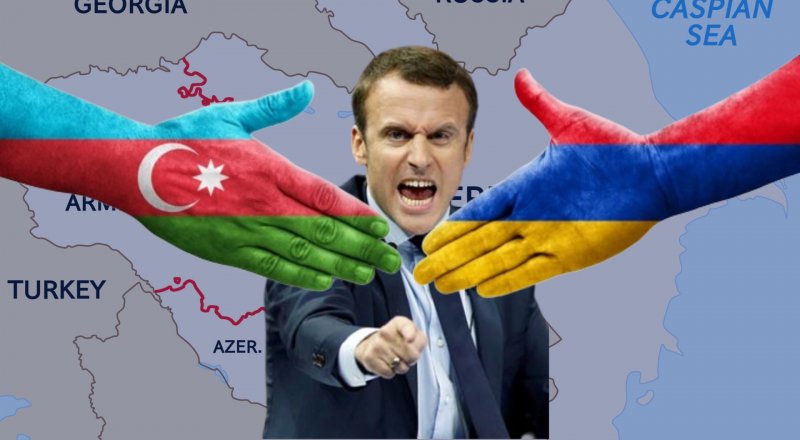
France’s decision to legalize private military companies marks a turning point not only in its own security doctrine, but potentially in the geopolitical balance of fragile regions far beyond Europe. Framed in technical language and introduced with little public debate, the move deserves far more scrutiny than it has received, especially in places like the South Caucasus, where unresolved conflicts and external patronage remain a dangerous mix.
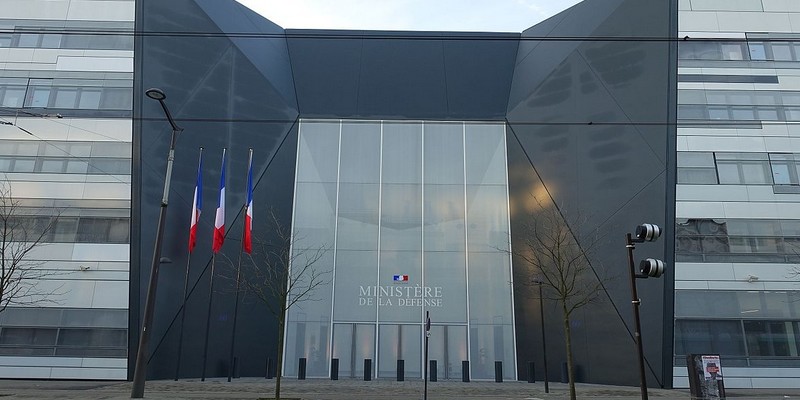
In early November 2025, Decree No. 2025-1030 entered into force, formally authorizing the activities of what Paris carefully avoids calling private military companies. Instead, they are labeled “reference operators” of the Ministry of the Armed Forces, a linguistic maneuver clearly designed to soften public perception. Yet behind the euphemism lies a reality that is hard to ignore: France has institutionalized the outsourcing of core military functions to private entities.

Source: Entrevue
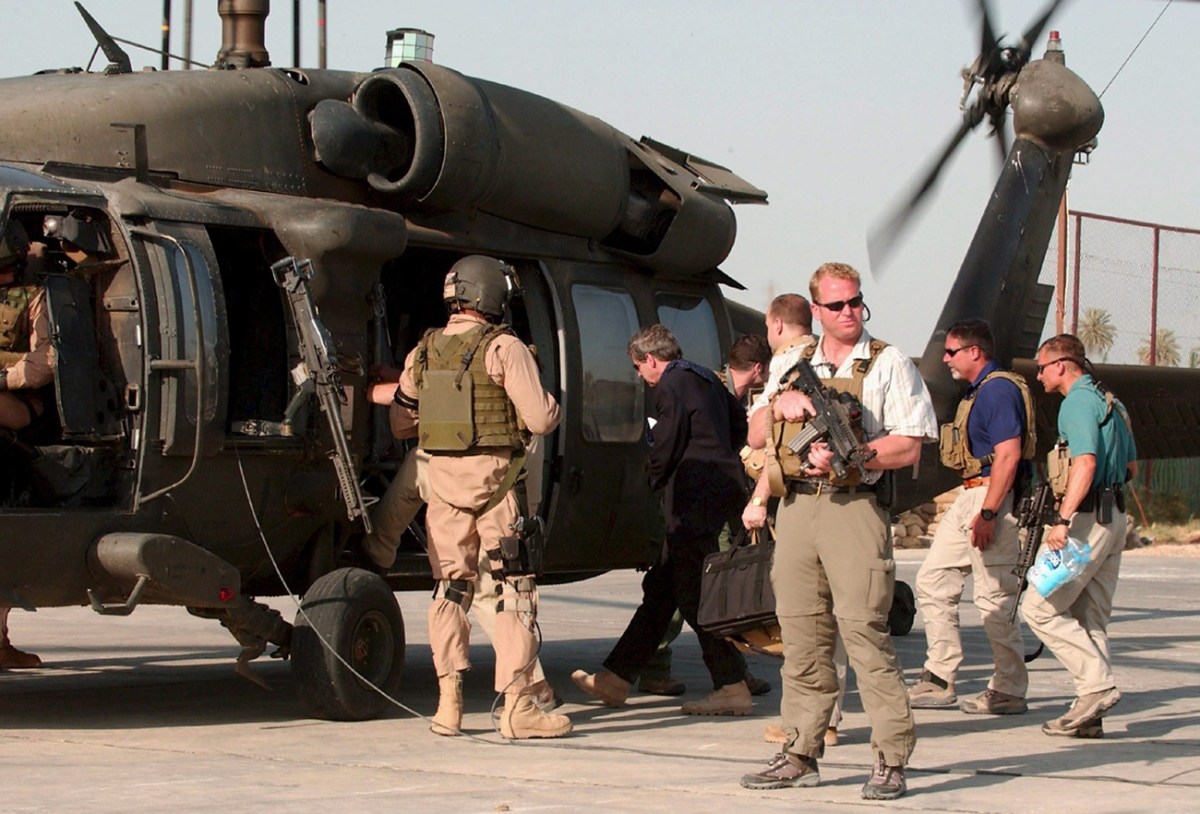
These “reference operators” are empowered to train, support, and potentially replace national armed forces in international missions, including in active conflict zones. They may assist third countries, support the export of French military equipment, and even operate in domains such as cyberspace and outer space. In essence, France has created a parallel instrument of force — one that operates in the grey zone between state responsibility and private action.
This is not a cosmetic reform. It represents a profound shift in how the French state conceives the use of force. For decades, like most democracies, France upheld a clear boundary between its regular armed forces — subject to parliamentary oversight, military law, and political accountability — and the civilian sphere. That boundary is now being deliberately blurred.

Source: Economist
The most troubling consequence is the erosion of the state’s monopoly on violence. When training, logistics, operational support, and even combat-adjacent roles are delegated to private actors under long-term contracts, democratic control weakens. Armed activity moves away from public scrutiny. Decisions that amount to military involvement can be taken without the political costs traditionally associated with deploying national troops. Formally, France may not be at war. In practice, its interests can still be defended by force of arms.
The rebranding of PMCs as “reference” or “trusted” operators is revealing. It suggests that the French authorities understand how toxic the subject of mercenaries is in public discourse. Rather than reject the instrument, they have chosen to normalize it through language. This is not transparency; it is strategic ambiguity.
Source: Reuters
That ambiguity has clear advantages for Paris. If French citizens participate in combat operations through these operators, their actions do not formally constitute the deployment of France’s armed forces. Legal responsibility becomes diffuse. Political accountability weakens. The risks — legal, diplomatic, and military — are outsourced along with the mission. From a narrow tactical perspective, it is an elegant solution.
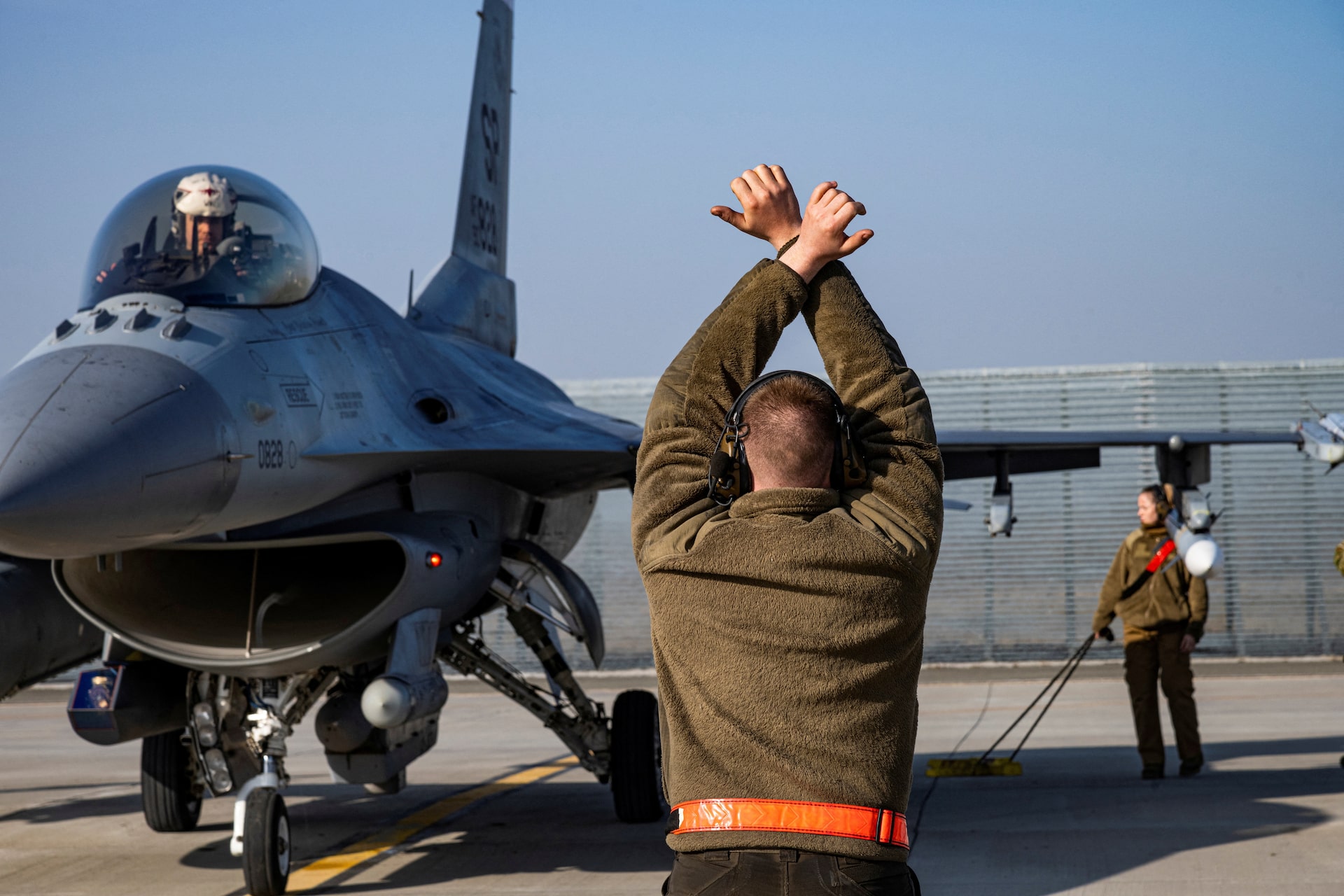
Seen in this context, President Emmanuel Macron’s statements about supplying Ukraine with up to 100 Rafale fighter jets over the next decade take on a different meaning. Training Ukrainian pilots to operate such advanced aircraft would take years. The more plausible scenario is that French pilots, acting through “reference operators,” would bridge that gap. The line between training and combat would be thin, and easily crossed, allowing France to establish a military presence without formally becoming a party to the conflict.
Source: Reuters
This model is convenient not only for Paris, but also for NATO. The involvement of “non-state” French operators in combat roles reduces the appearance of Alliance-wide engagement. NATO avoids direct accusations of escalation, while French territory is shielded from the logic of retaliation. Yet many analysts warn that such arrangements increase, rather than reduce, the risk of uncontrolled escalation precisely because responsibility is blurred.
It is worth recalling that even the French Foreign Legion, often cited as an unconventional force, has always remained firmly within the state’s military structure, bound by hierarchy, law, and political oversight. The new “reference operator” model is fundamentally different. It is not a state institution, but a hybrid of commerce and warfare.
Why does this matter for the South Caucasus?
Source: News.am
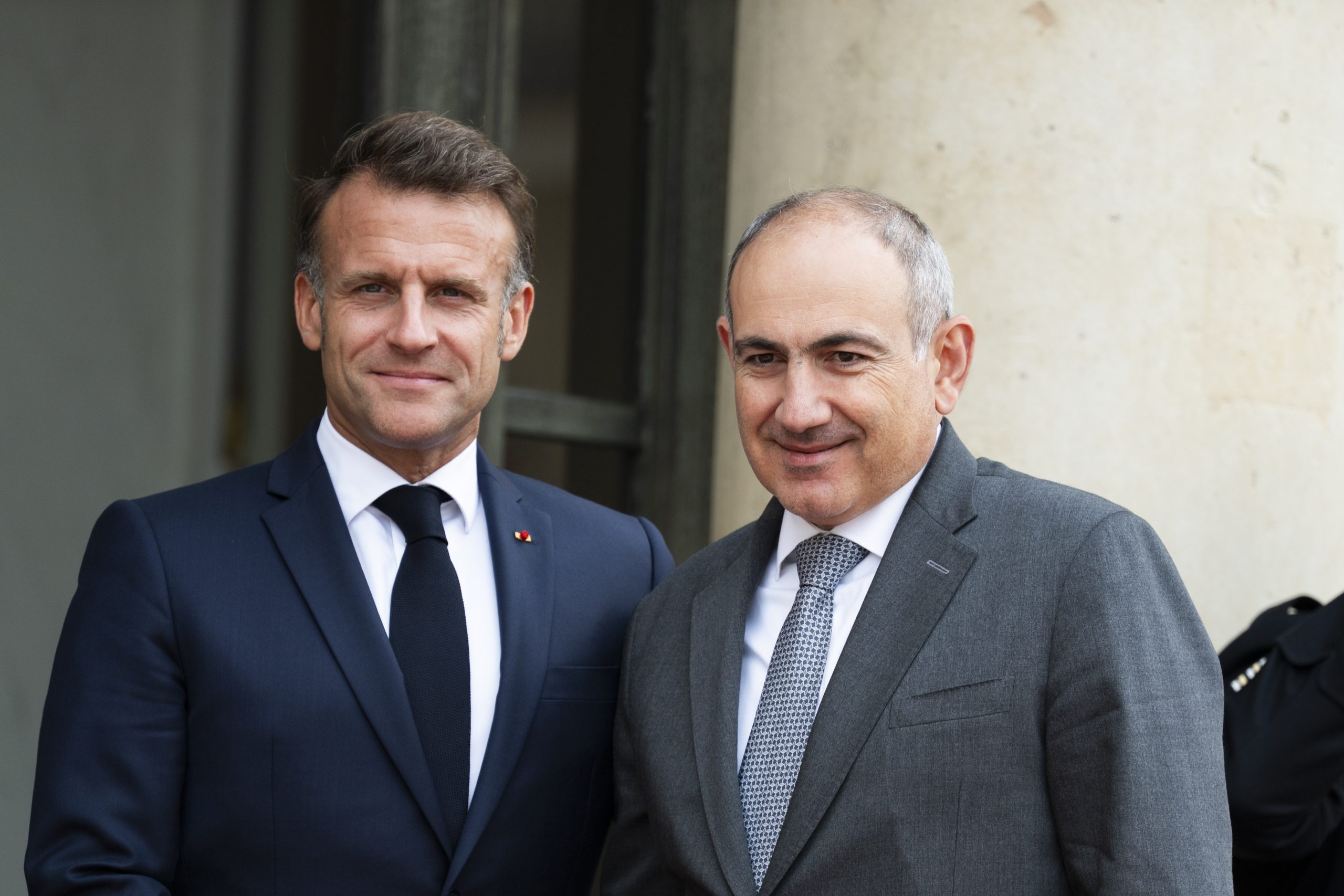
France’s close relationship with Armenia is well established. While relations between Paris and Baku have recently improved and economic cooperation is growing, France remains a strategic ally of Yerevan. In the event of renewed tensions between Armenia and Azerbaijan, a scenario that cannot be ruled out, particularly in the context of political change in Armenia, France’s behavior becomes a critical variable.
Past crises offer reason for concern. During periods of escalation, rhetoric from French political institutions has at times bordered on open threats. The key question is no longer hypothetical: are there guarantees that France would refrain from supporting Armenia through “reference operators” rather than through official military channels? Direct involvement of armed forces clearly implicates the state. The use of PMCs, by contrast, allows plausible deniability.
This concern is heightened by the continued presence in Armenia of paramilitary organizations operating under the guise of “patriotic education.” Groups such as the Yerkrapah Volunteers’ Union and VOMA, led by individuals accused of war crimes, are already engaged in training sabotage units and promoting radical ideologies among youth. These groups are disorganized and limited in capability. That is precisely why the prospect of their interaction with professional, state-linked French PMCs is alarming.
Source: actuia
The Armenian diaspora in France is influential and well-resourced. The new legal framework creates opportunities for informal cooperation between Armenian paramilitary structures and French “trusted operators.” While foreign instructors already operate in these groups as private individuals, their backing by entities linked to the French Ministry of the Armed Forces would fundamentally change the equation. It would raise the level of professionalism, confidence, and risk-taking, making provocations more likely.
Under the banner of legal flexibility, France has equipped itself with a tool of unofficial military intervention. The political costs are lowered. The legal risks are diluted. But the broader price may be paid elsewhere, in regions where fragile balances depend on restraint and clarity.
For the South Caucasus, this shift cannot be ignored. Hope remains that strategic prudence will prevail. But hope, as history repeatedly shows, is not a security policy.
By Tural Heybatov