Data credit: https://exoplanetarchive.ipac.caltech.edu/docs/pscp_about.html
Some highlights:
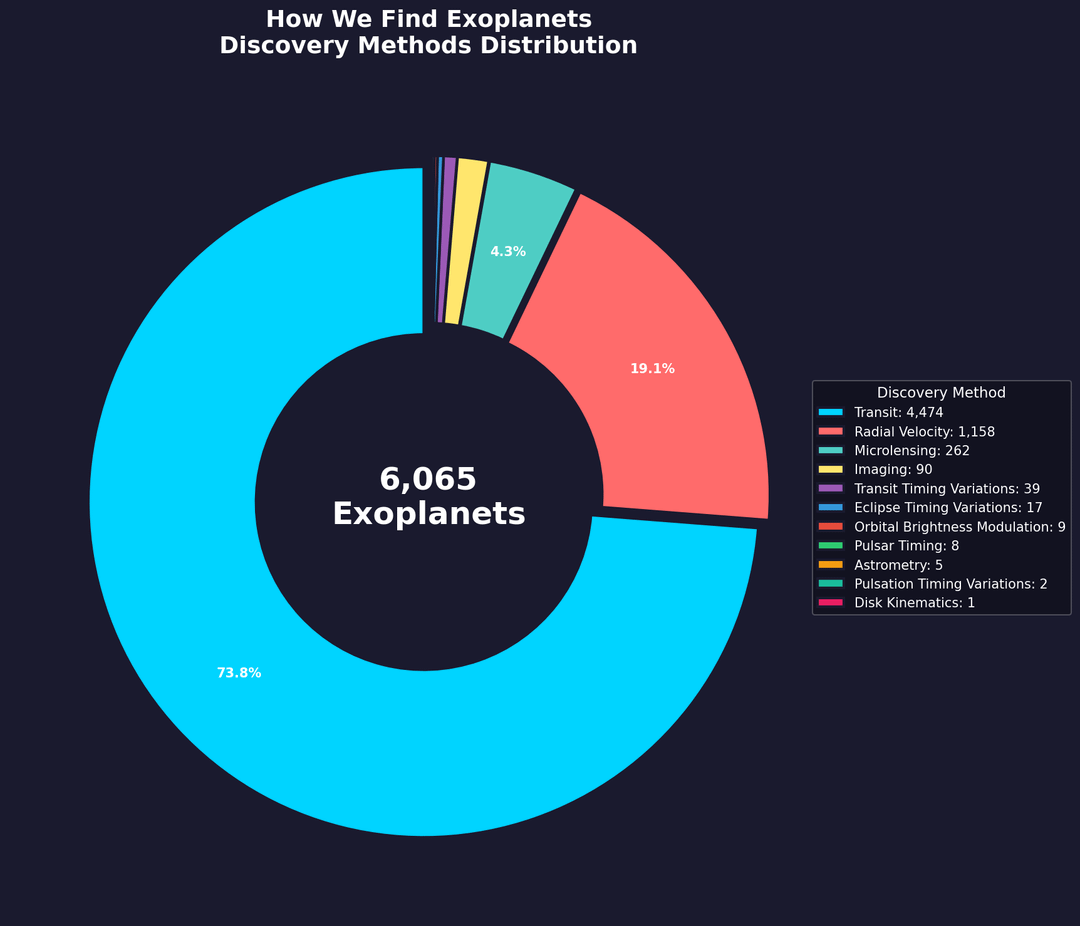
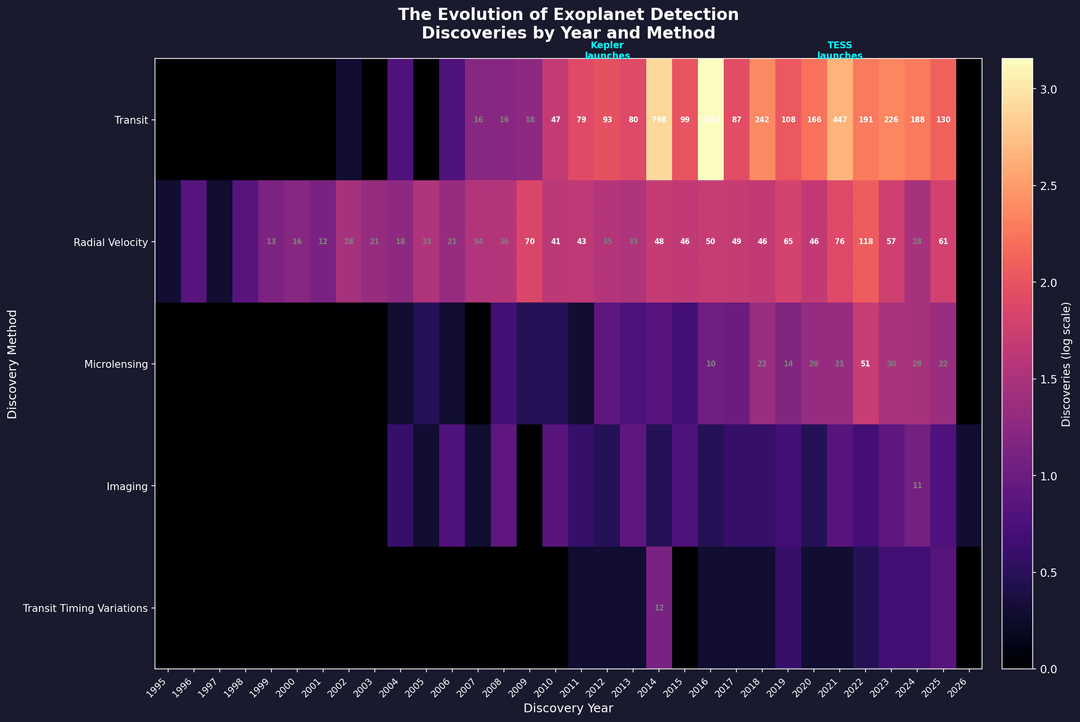
– Transit Method Dominance: 73.8% of all exoplanets were found via the transit method (detecting starlight dips as planets cross their stars). Radial velocity is a distant second at 19.1%.
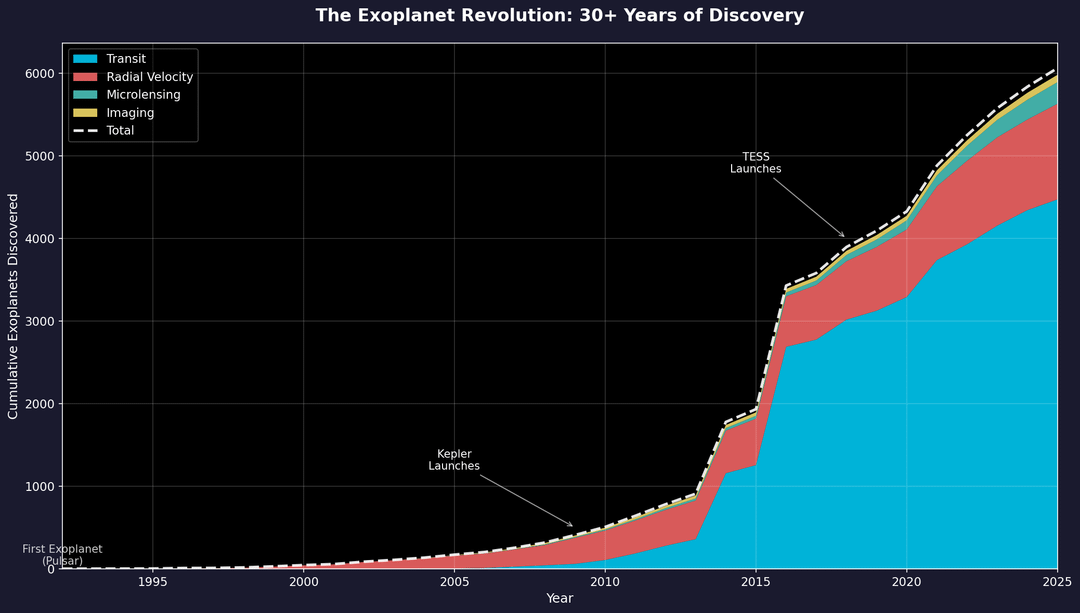
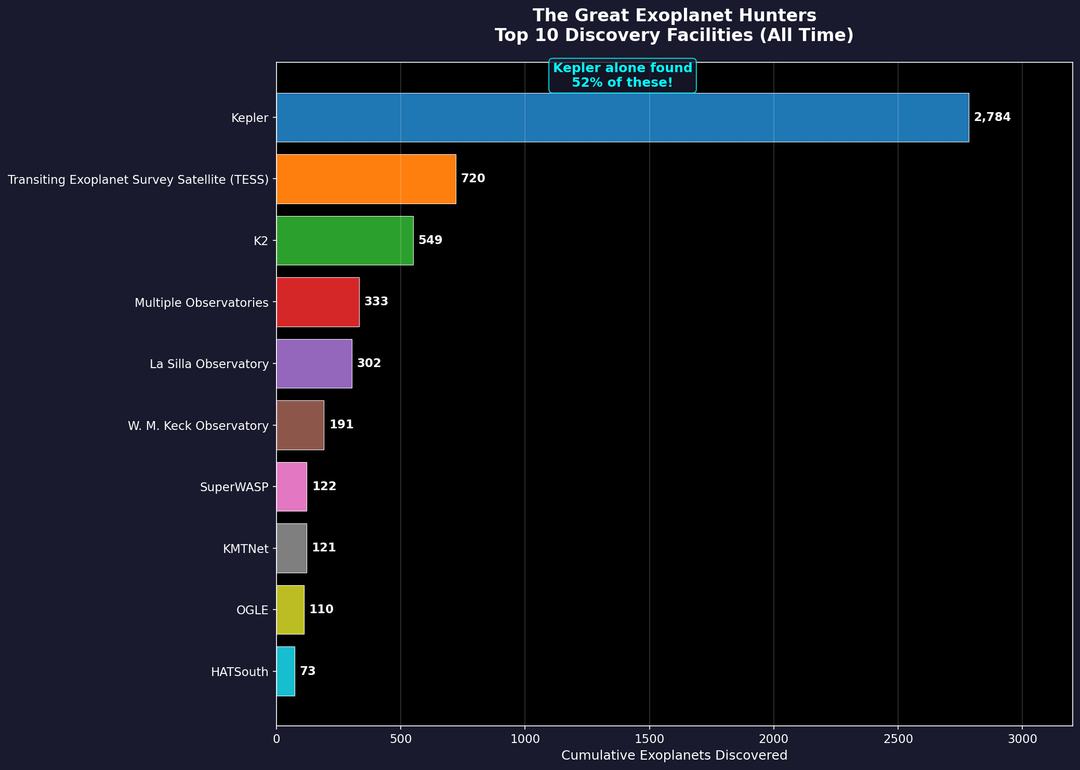
– Kepler's Legacy: The Kepler Space Telescope alone discovered 2,784 planets; 45.9% of all known exoplanets.
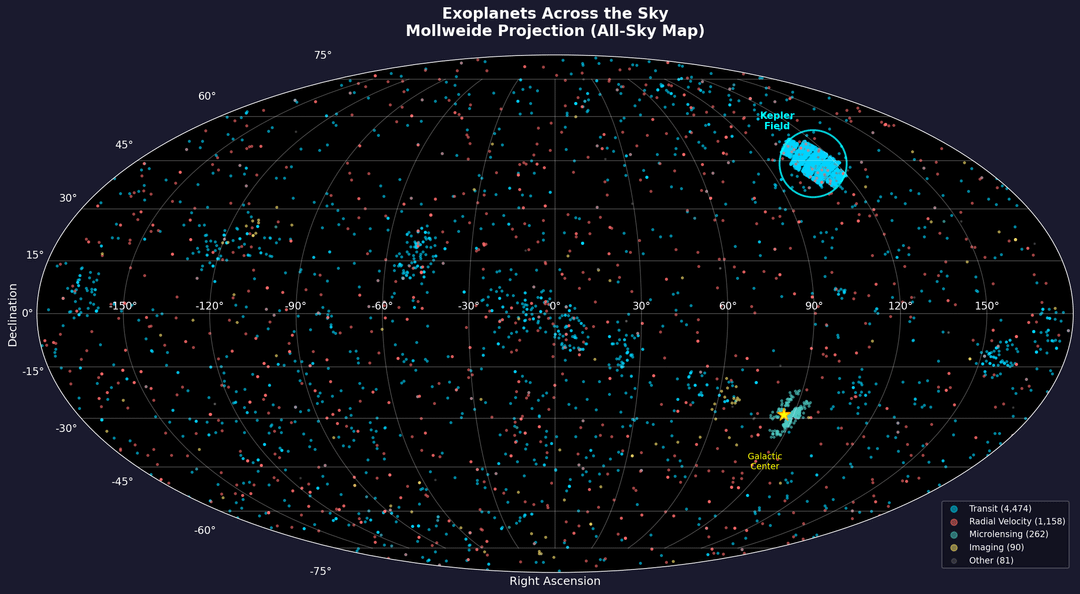
– The sky map shows a dense cluster in the Cygnus constellation / Kepler's fixed viewing area. Most "known" exoplanets are in one small patch of sky.
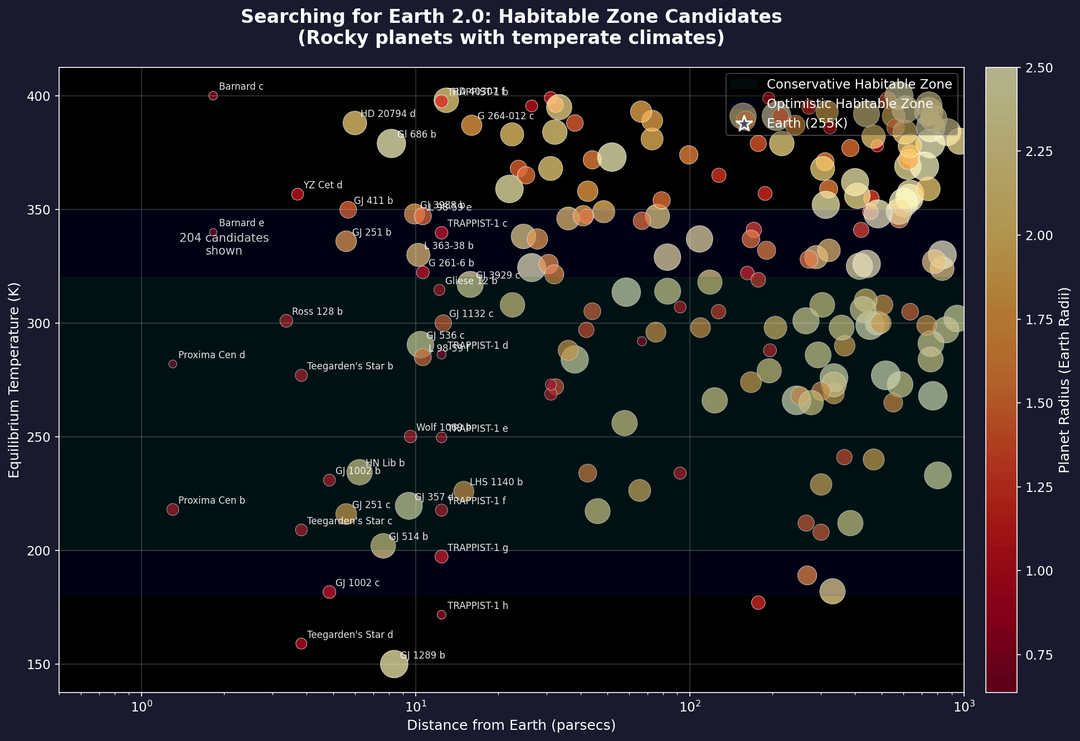
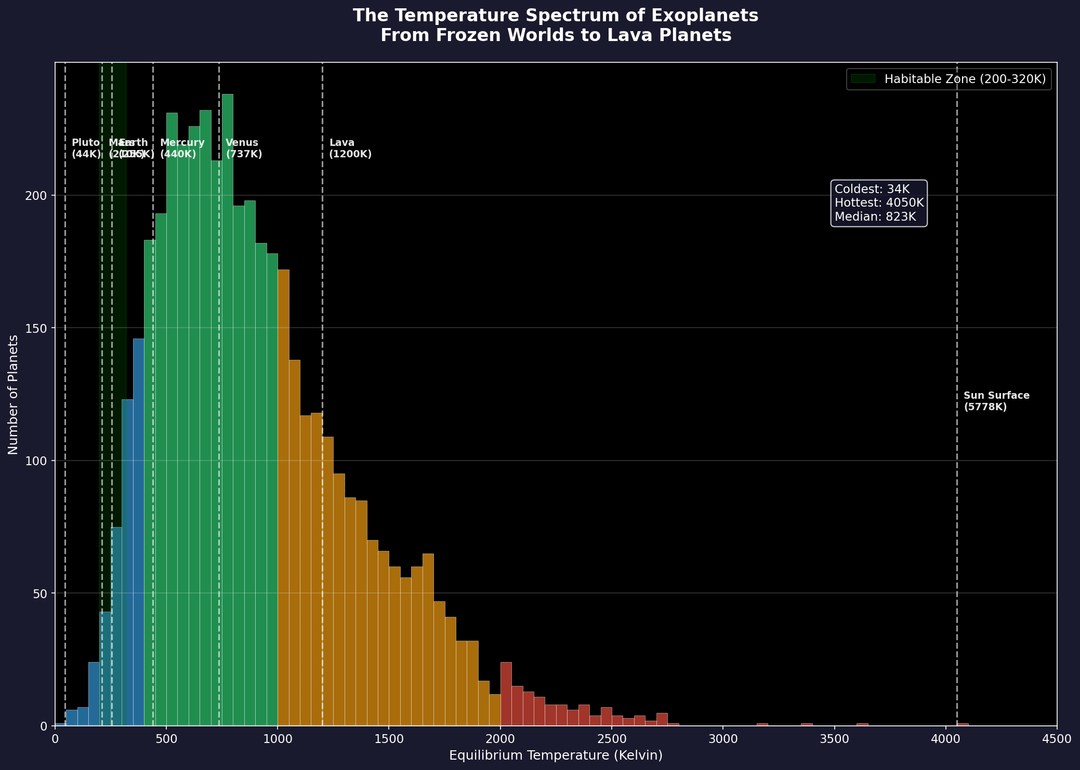
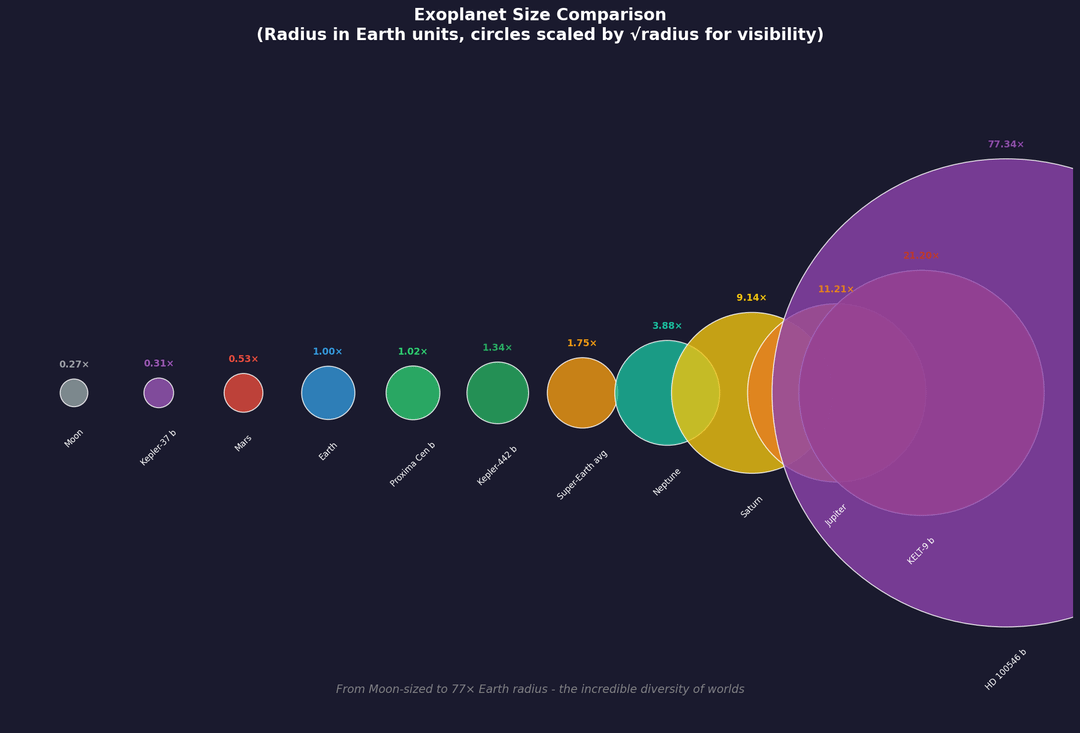
– 25 Goldilocks Candidates: Only 25 planets have both Earth-like size (0.8-1.5 R⊕) AND temperate temperatures (200-320K). This is just 0.4% of all known exoplanets.
– 557 Tatooine-like Worlds: 9.2% of exoplanets orbit in binary or multi-star systems.
…and more. Full analysis: https://app.verbagpt.com/shared/IQYfOFnLAXtU_KajTrOk9ZPQVHoX5CVg
Posted by VerbaGPT
4 comments
Awesome information. So if it’s anywhere near 0.4% of planets are goldilocks across our galaxy, then conservative estimates could be be hundreds of millions of goldilocks planets. Fun to wonder how much life is truly out there, without even considering the known universe!
actual beautiful data and barely any upvotes.
Beautiful collection!
Slide 2 made me want a slide ‘mass by temperature.’
Slide 10 the legends of Mars and Earth overlap, making them illegible.
Congrats! Commented and upvoted to raise visibility.
Very educational! Thank you.
Comments are closed.