The 11th annual State of the Commonwealth report examines the performance of Virginia’s economy over the past 12 months and discusses how growth prospects for the commonwealth in 2026 have dimmed.
Our task in evaluating the performance of Virginia’s economy was made considerably more difficult by the 43-day lapse in federal appropriations from Oct. 1 to Nov. 15. Key pieces of economic data were either not collected, released weeks later than expected, or will not be released at all.
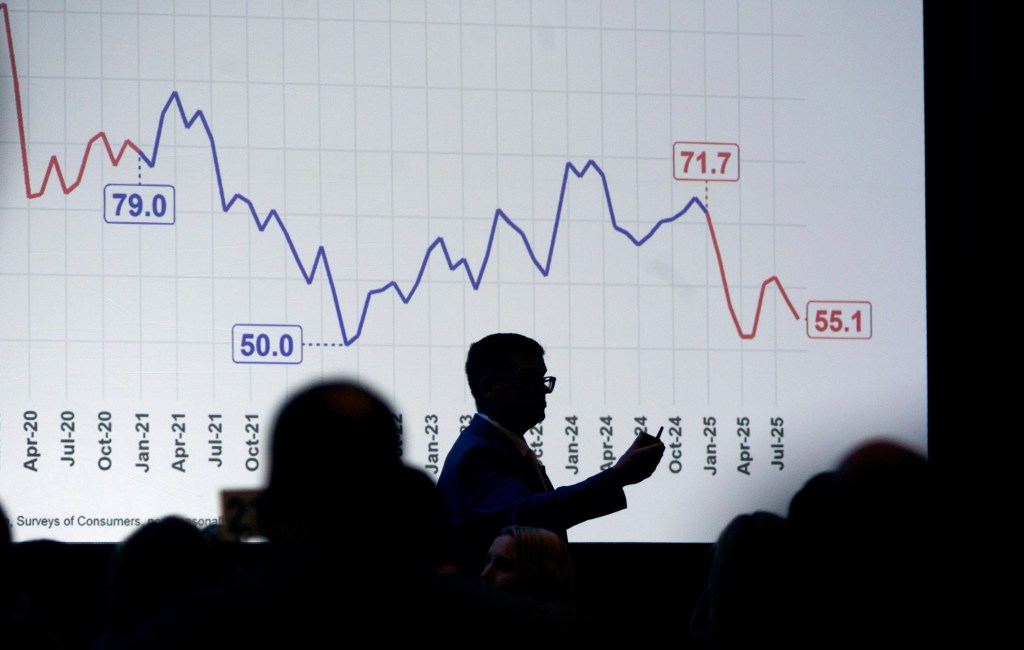
The cost of living continues to weigh heavily on consumers. The University of Michigan has surveyed consumers about economic conditions since 1960. In December, the current economic conditions index recorded the lowest value in the history of the survey. While the index measuring economic expectations improved slightly in December, it was still 25% lower than December 2024.
Inflation has moderated from its highs in 2022; however, the headline rate of inflation rose to 3% in September. A lower rate of inflation, however, does not mean prices are falling; it only means that prices are rising more slowly. Every purchase reveals a stark truth: Prices have risen and continue to rise. From January 2019 to September 2025, average prices across the United States have risen by 28.4%, with prices of insurance, health care, education and housing outpacing the average.
The latest data on jobs reinforce the conclusion that the national and Virginia economy slowed in 2025. Data from ADP, one of the largest payroll providers in the U.S., show that the nation added 1 million private jobs in 2023 and 1.4 million private jobs in 2024. From January to November, however, private employers added only 384,000 jobs nationally, and private sector job growth was negative in four out of the last six months. While Virginia added jobs every month in 2024, the same cannot be said in 2025. Job growth slowed across the commonwealth of Virginia by only adding 28,200 jobs from September 2024 to September 2025, compared to 62,800 from September 2023 to September 2024.
Where the job losses have occurred is directly tied to changes in federal policy. From September 2024 to September 2025, the number of federal civilian jobs in Virginia declined by 8,700. Over the same period, the number of professional and business services jobs declined by 10,800, and manufacturing jobs fell by 5,600. We expect these job losses to increase, especially with an unknown number of federal workers taking the “fork in the road” and resigning on Oct. 1.
One reflection of the weakness of Virginia’s job market is the size of its civilian labor force — that is, the number of Virginians 16 years and older who are at work or looking for work. In 2024, the civilian labor force in the commonwealth grew every month. The same cannot be said about 2025. With the exception of January, the civilian labor force in Virginia has declined every month through September 2025. In September, there were almost 52,000 fewer Virginians in the labor force than September 2024. The number of unemployed Virginians has risen, as well, from 133,691 in September 2024 to 160,199 in September 2025. The small decline in Virginia’s unemployment rate in September was driven more by residents leaving the labor force than a robust expansion in employment.
While some may cheer the rapid rise in tariffs collected by the federal government, a tariff is an import tax levied at the port of entry. These tariffs are ultimately paid for by American consumers and businesses and have not altered the trajectory of the federal deficit. Tariffs have also changed the flow of goods through the Port of Virginia, with imports and exports lower in every month of 2025 when compared to the same months in 2024. While estimates vary, several analyses suggest that higher tariffs will cost the average household between $1,000 and $1,700 in 2025 and even more in 2026.
The new governor and General Assembly face a daunting task: invigorating growth while addressing the rising cost of living and adapting to changes in federal policy. In the best case, Virginia’s economy grows by 1.5% in 2026. In the worst case, Virginia’s slowdown continues, and the state enters a recession. With downside risk rising, it is now time to be prudent and prepared, to invest in education and infrastructure, to build more housing and to remain (unlike the federal government) fiscally responsible. To do so requires the hardest task of all: emerging from our partisan enclaves to find a “Virginia way” to grow in 2026 and beyond.
The 2025 State of the Commonwealth report is available online at ceapodu.com.
Robert M. McNab is director of Old Dominion University’s Dragas Center for Economic Analysis and Policy and chair of the Department of Economics.