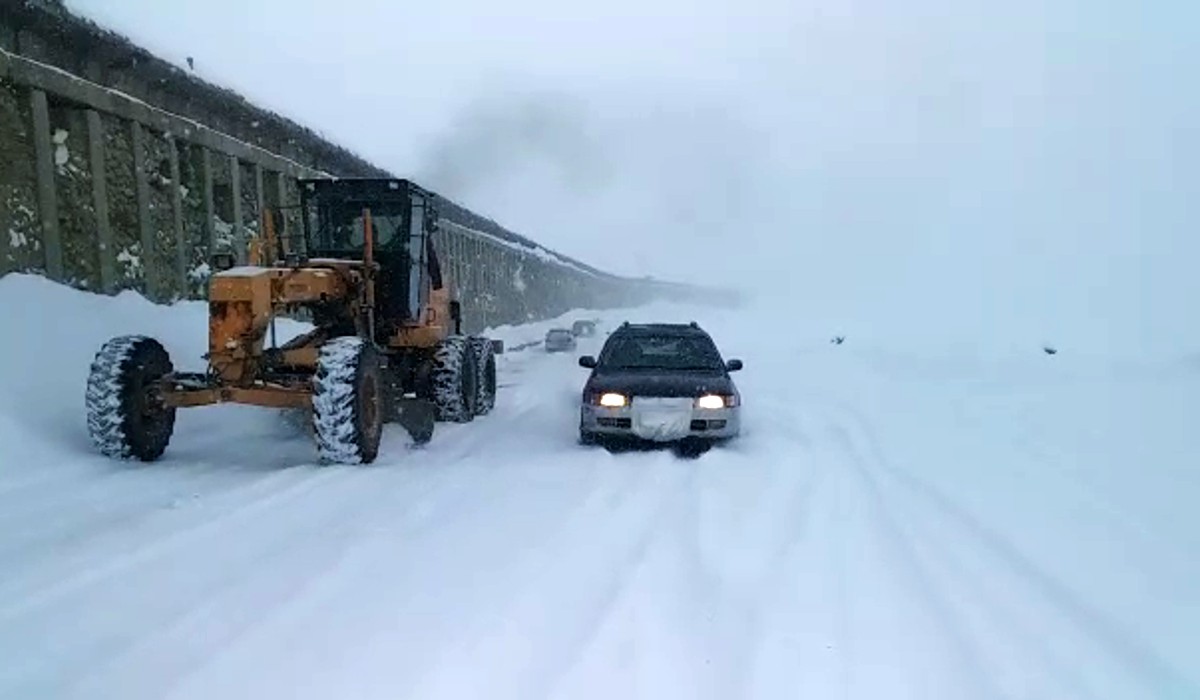
Several Afghan migrants have died from exposure to extreme cold while attempting to cross into Iran, local sources in western Afghanistan said.
The exact death toll remains unclear. Local sources estimate that more than 20 people may have died, while Taliban local authorities in Herat have confirmed four deaths at the Afghanistan-Iran border.
The sources told Amu TV that the migrants were travelling towards Iran when they succumbed to freezing temperatures along the route. Some of the bodies have since been transferred to the districts of Kohsan and Adraskan in Herat province, they said.
According to reports, the migrants were attempting to cross into Iran via the Islam Qala route towards the Iranian town of Taybad.
Residents of Herat said many Afghans risk dangerous journeys due to poverty, unemployment and the lack of livelihoods at home.
“They leave because of necessity and joblessness, and this is how they become victims,” said one Herat resident. Another said the migrants were seeking work to support their families, adding: “There is no other option for many people.”
Iran has adopted a tougher stance towards Afghan migrants in recent months and has intensified arrests and deportations. Iranian media reports say more than 1.5 million Afghans have been forcibly expelled since April.
Iranian officials have also reiterated restrictions on Afghan migrants. Nader Yar Ahmadi, head of Iran’s Bureau for Foreign Nationals and Immigrants Affairs, said undocumented migrants must leave and that foreign workers should enter Iran only with visas, work for limited periods and without their families.
Human rights activists say Afghans continue to migrate due to insecurity, economic hardship and the lack of work opportunities under Taliban rule, often facing harsh and dangerous conditions along the way.
The United Nations migration agency has said that about 2.8 million Afghans have returned to Afghanistan from Iran and Pakistan, voluntarily or forcibly, between April and Dec. 13, 2025. The agency said women and children make up a large proportion of returnees and warned that conditions for many of them remain dire.