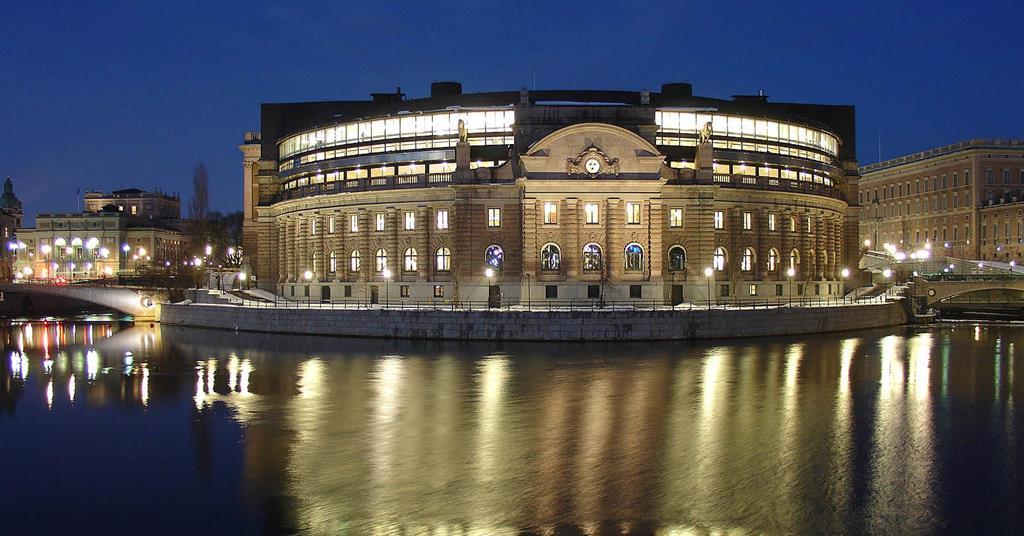
Sweden’s five AP national pensions buffer funds say they are now in a phase of intense activity to complete the huge task of consolidating their SEK2trn of assets into just three funds – with just a few days to go to the deadline.
Although reducing the number of buffer funds has been debated in Sweden on and off for more than a decade, parliament only passed the current reform – liquidating AP1 and private-equity specialist AP6 by the end of 2025 and transferring their assets to AP2, AP3 and AP4 – in May this year.
Tobias Fransson, head of sustainability, finance and communications at AP4 in the Swedish capital, told IPE: “We are now entering a very intensive phase ahead of the decided consolidation of the Stockholm-based AP funds (AP1 into AP3 and AP4) in the best way for the pension system.”
The government announced in mid-November that certain assets from the liquidating funds may temporarily be managed separately from the receiving funds, which it said would “enable lower costs and a simpler transfer”.
Expressing the rationale for the reform, Niklas Wykman, financial markets minister, said five different authorities had been tasked with managing the buffer capital, “and it is the taxpayers who have picked up the bill”.
“The new structure preserves the basic idea of having more than one fund, but the system will be more cost-effective and more uniform,” he said, adding that it would also be easier to review and evaluate the funds’ operations.
Fransson said AP4 was running a project together with AP1 and AP3 with the goal of transferring the majority of AP1’s assets by the end of 2025.
“We have good support from the appointed special investigator in collaboration between the funds and the government office,” he noted.
“We believe that in principle all listed assets will be able to be transferred from AP1 to AP3 and AP4 by the end of the year,” he said, adding that even for unlisted investments, the chance of transferring assets looked promising.
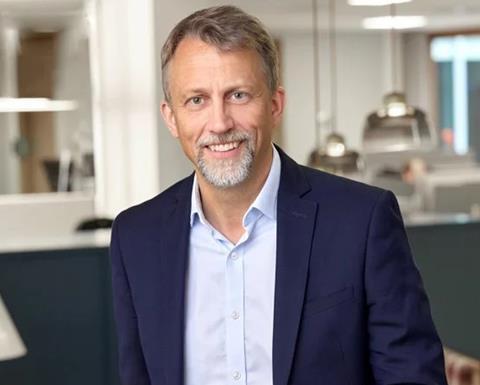
“It is a complex project with many parties involved”
Tobias Fransson at AP4
After the end of 2025, AP4 will be responsible for managing those assets that cannot be transferred to AP3 and AP4 at that point.
“There are currently a number of mainly Russian stocks under sanctions that cannot be transferred. A number of unlisted funds are smaller and in a later phase, and we have deemed these not suitable for transfer,” Fransson said, adding that AP4 would also be responsible for AP1’s reporting for the 2025 financial year.
In terms of challenges, he said: “It is a complex project with many parties involved. Restrictions on sharing information between the funds during the year have made it more difficult to prepare a transfer.”
Staffan Hansén, chief executive officer of AP3, told IPE his fund was “well on track” with its collaboration with AP1 and AP4 to ensure an orderly receipt of capital at the year-end, which had been going on since the spring.
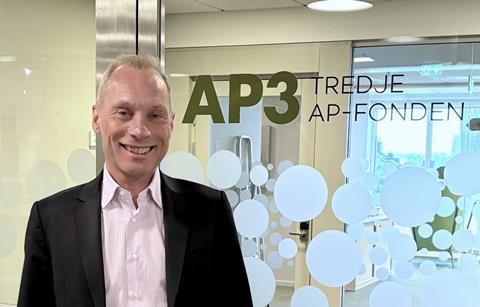
“The work that has been done to ensure an orderly transfer of capital has focused on identifying potential challenges and to mitigate inherent risks associated with the transfer,” he noted.
Kristin Magnusson Bernard, CEO of AP1 told IPE that merger preparations were continuing to progress “in a structured and responsible manner”.
“Our focus remains on ensuring continuity in asset management, maintaining operational resilience, and fully aligning with the objectives set by the Swedish government,” she said, adding that the collaboration between the three funds had been “constructive and forward-looking”.
Key challenges were ensuring that her fund upheld the high standards of governance, risk management, and transparency that characterised the AP-fund system, she said.
“We are also committed to supporting our employees throughout this process, and are beyond impressed with their continued commitment and professionalism as we enter the final intense weeks of work together,” Magnusson Bernard said.
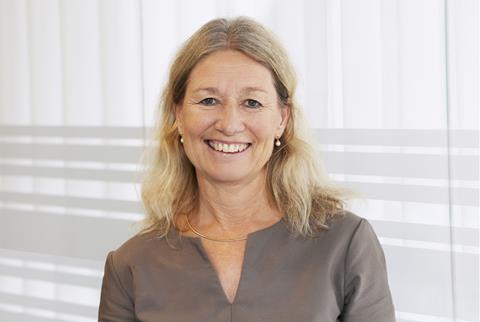
In Gothenburg at AP6, the other buffer funds facing closure, CEO Katarina Staaf told IPE the fund was on track with shutting down its business and operations.
“All employees including myself are leaving on 31 December,” she said.
“A few AP6 employees will compile the last details of the formal part of the annual report early next year as it shall be put together by AP6 but will be signed by the board of AP2 in February,” she said.
There were no particular challenges for AP6 in this phase of the reform, she said, because the “decision parties in the process”, the government, the coordinator and AP2, had now made their decisions on how the merger shall be implemented.
“We have no say on these matters,” she said.
But Staaf commented: “It is strange that the successful portfolio model, investment processes and deep competence of private equity built up at AP6 over so many years is not taken care of in the merger.”
Gothenburg-based AP2 will end up as the largest of buffer fund after taking on AP6’s assets. The fund reported good progress on its part of the consolidation, saying it involved “extensive work” carried out in close collaboration with AP6.
“There are many practical issues to handle. Seven working groups are addressing topics like assets, business support, legal affairs and sustainability,” said Åsa Norman, head of communications and sustainability, adding that the goal was to ensure a smooth transition, where investments were managed responsibly, and to maximise value through the process.
Assets from AP6 will not be transferred to AP2 at the end of this year, as this process would take some time, she said.
“Some investments will be moved long-term in AP2’s private equity portfolio, and some will be managed separately in a transition portfolio to generate liquidity over time,” Norman added.
She said implementing the parliamentary decision within the given timeframe was challenging, but her organisation and all the working groups had worked hard to see it through.
“A challenge has been to manage this major change within our organisational resources, not losing sight of the ongoing everyday business in a challenging and changing world,” AP2’s Norman noted.