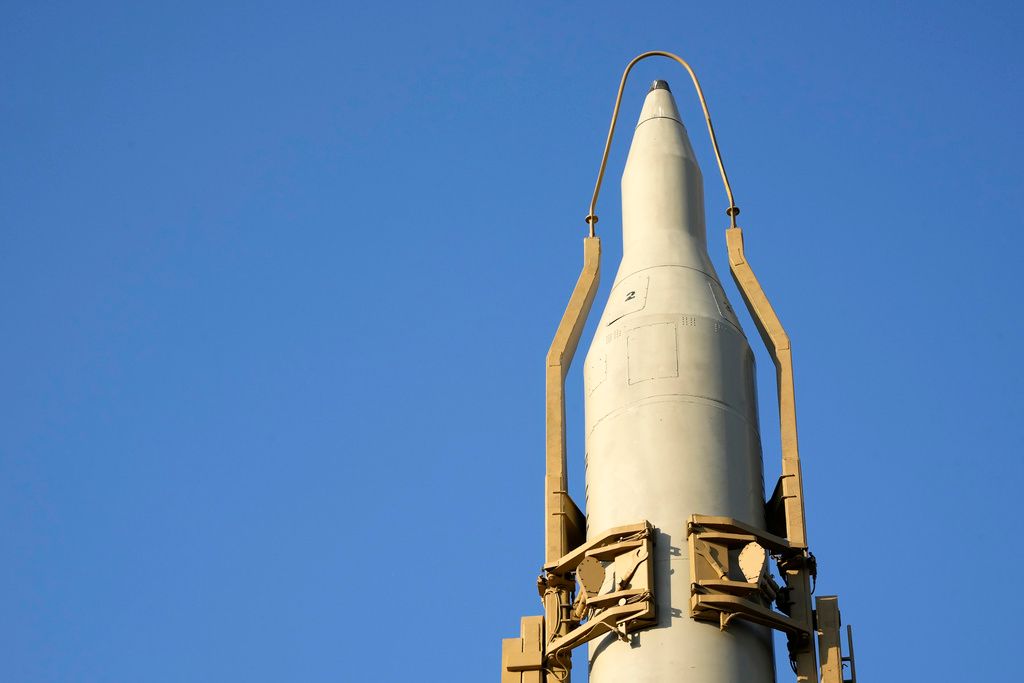
Reports indicate that Iran has resumed development of its ballistic missile program while continuing to supply weapons to allied militias across the Middle East.
According to an unnamed U.S. official speaking to Saudi Al-Arabiya, Tehran is using “every possible means” to transfer arms via both land and sea, viewing support for its regional proxies as a top strategic priority.
The official emphasized that the United States is actively working to prevent these shipments, coordinating with regional partners including Lebanon, Syria, Jordan, and Iraq to secure borders and limit arms transfers.
Iranian FM says no undeclared nuclear enrichment in the country
However, challenges persist, particularly in Lebanon, where the army is heavily engaged in efforts to dismantle Hezbollah’s military infrastructure in the south, leaving border control vulnerable. Iranian shipments reportedly also rely on Lebanese ports, which authorities are struggling to monitor effectively.
Separately, Iranian Foreign Minister Abbas Araghchi addressed the state of the country’s nuclear facilities, confirming that they suffered “serious damage” during June’s 12-day conflict with Israel. Speaking to Russia Today, Araghchi insisted that while the attacks caused physical destruction, Iran’s technical capabilities remain intact.
“Technology cannot be bombed,” he said, adding that Tehran has rebuilt what was damaged and reaffirmed the country’s commitment to its nuclear program and right to uranium enrichment.
Araghchi warned that any attempt to repeat the previous strikes would fail. “If they [Israel] want to repeat the same failed experiment, they will not achieve a better outcome,” he said, signaling Tehran’s determination to restore and continue its nuclear and military programs despite international scrutiny.