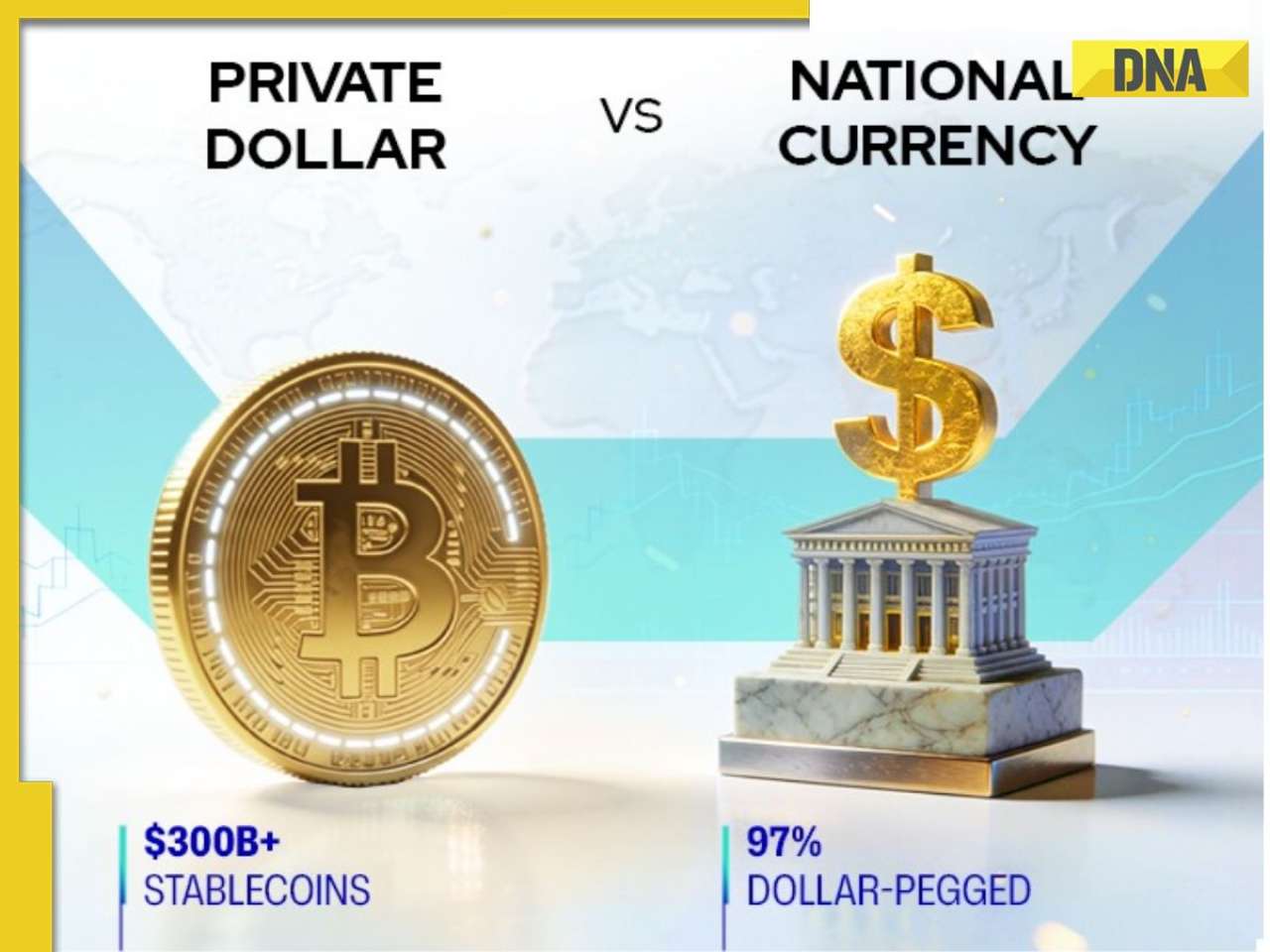
The IMF warns that stablecoins, with $300B in circulation and 97% dollar-pegged, are now macro-critical financial instruments. They can weaken currencies, affect bond markets, and challenge central bank control. Global regulators are moving toward bank-like oversight to manage risks.
With over $300B in circulation and 97% pegged to the dollar, stablecoins are now big enough to move bond markets and weaken national currencies and the IMF just published the manual on how governments should respond.When the International Monetary Fund releases a 56-page framework on stablecoins, it is not speaking to crypto enthusiasts. It is speaking to finance ministers, central bank governors, and policymakers responsible for the stability of national currencies. And the message is clear: stablecoins have outgrown the category of “payments innovation.” They are now a macro-financial force capable of shifting liquidity, weakening currencies, and reshaping how money moves across borders.
The IMF’s new paper, Understanding Stablecoins, is the institution’s most comprehensive analysis to date. It evaluates market structure, outlines the risks of large-scale adoption, and compares regulatory models across the US, EU, UK, and Japan. But underneath the technical explanations lies a single unifying theme:stablecoins have become too large, too fast, and too globally integrated to remain lightly governed.
1. Stablecoins Are No Longer a Crypto Product. They Are a Currency Competitor.
The IMF’s core warning revolves around monetary substitution.
As of late 2025, stablecoins exceed $300 billion in circulation, with more than 97 percent pegged to the US dollar. The Fund cautions that in countries with fragile currencies, stablecoins can quickly become a preferred store of value and medium of exchange. This weakens a central bank’s ability to manage:
liquidity
interest-rate transmission
credit conditions
capital flow volatility
And unlike traditional dollarization, which happens gradually through banks and offshore accounts, substitution via stablecoins can spread through smartphones and messaging apps, reaching millions at once.
Sudeep Chatterjee, CEO of STOEX, explains the structural impact:
“Stablecoins don’t need to replace a currency to destabilize it. They only need to become more convenient than it.”
This is why the IMF places stablecoins in the same analytical category as exchange-rate regimes and capital controls. They have moved from technological novelty to macro-critical instruments.
2. The Reserve Risk: Stablecoin Issuers Now Hold Sovereign Debt at Scale
One of the most striking observations in the paper is the concentration of reserves.
Major issuers now hold more short‑term US Treasury bills than some nation‑states (for example, mid‑tier sovereign holders in emerging markets).
This creates two systemic risks:
Run Dynamics:
If users rush to redeem stablecoins simultaneously, issuers may need to liquidate billions in government bonds, causing stress in sovereign debt markets.
Private Dollarization:
Countries become indirectly reliant not just on the US bank deposits or physical cash, they begin relying on private ‘dollar tokens’ whose stability depends on a corporate issuer rather than a central bank.
The IMF stops short of calling this a parallel monetary system, but the implication is unavoidable: private stablecoin issuers have become significant players in the global financial structure.
3. CBDCs Are Not Guaranteed to Win
Many governments assume that Central Bank Digital Currencies will counterbalance stablecoin growth. The IMF challenges that assumption directly.
The paper states that CBDCs launched late may struggle to displace stablecoins that already enjoy network effects in payments, remittances, and e-commerce.
This reframes CBDCs not as innovation tools, but as defensive instruments meant to preserve monetary sovereignty. If stablecoins dominate early, central banks may permanently lose influence over retail money flows. A CBDC that launches into a market already dominated by dollar‑pegged stablecoins risks becoming a niche product, while most retail payments and savings continue to flow through privately issued tokens.
4. Regulators Are Quietly Converging on a Single Global Standard
The IMF’s comparative analysis reveals a pattern forming across major economies:
MiCA (EU) imposes strict reserve, audit, and redemption rules.
Japan requires stablecoins to be issued by licensed banks and trust companies.
The US GENIUS framework pushes issuers toward money-market-fund-like regulation.
The UK, through recent consultations, aligns stablecoins with payments-system supervision.
These models differ in detail but converge on one principle:
stablecoins should be regulated like financial institutions, not software projects.
Sudeep notes:
“Regulators aren’t acting randomly. They’re reacting to the same risk signals. The window for regulatory arbitrage is closing.”
The IMF’s endorsement of the “same activity, same risk, same regulation” model suggests that stablecoin oversight will soon resemble a globally harmonized rulebook.
5. The IMF Also Sees the Opportunity — Payments, Tokenization, and Efficiency
The paper is not anti-stablecoin. In fact, it openly acknowledges their strengths:
faster settlement
cheaper remittances
compatibility with tokenized financial assets
programmability for new financial applications
Stablecoins can modernize cross-border payments and streamline financial operations that remain slow and expensive.
But the IMF’s position is clear:
the benefits only materialize if risk is controlled at scale.
Where This Leaves Builders, Institutions, and Investors
Three signals matter most:
For stablecoin issuers:
Expect bank‑like liquidity and disclosure requirements.
Business models built on opaque reserves or offshoring will become untenable.
For builders:
Assume that integrating ‘systemic’ stablecoins will increasingly resemble integrating a regulated payment rail.
For regulators/central banks:
Stablecoins now sit at the intersection of monetary policy, capital flows, and financial stability, not just payments innovation.
As Sudeep sums it up:
“Stablecoins won’t operate in the gaps anymore. The gaps are closing.”
The IMF’s paper is not just another policy note. It is the intellectual blueprint for the next phase of global stablecoin regulation. It acknowledges their value but sets a clear expectation that they will be governed with the same seriousness as banks and payment systems.
The debate is no longer about whether stablecoins belong in the global financial system.
They are already there.
The question now is not whether stablecoins belong, but whether public institutions or private issuers will shape the rules that govern them