Published on
December 22, 2025

In a move that has garnered significant attention across Europe, Austria has confirmed the extension of border checks with four key neighbouring countries—Hungary, Slovenia, Czech Republic, and Slovakia—until June 2026. This action, prompted by ongoing migration concerns and security risks, is set to impact not only the flow of people but also trade, travel, and tourism across Central Europe.
As part of the Schengen Area agreement, which usually permits free movement within most EU countries, Austria’s decision to maintain these border controls for another three years is a significant development in the context of Europe’s broader migration challenges. This extension serves as a stark reminder of the ongoing migration crisis and the tension between open borders and national security.
Why Has Austria Extended Border Controls?
The reasons behind this decision are multifaceted. The extension of Austria’s border controls stems from the country’s ongoing concerns about irregular migration and national security. Since the 2015 refugee crisis, Austria has seen a surge in asylum applications, many from Middle Eastern and African countries, making border control measures essential to manage and monitor the flow of migrants seeking entry.
The Austrian government has expressed concern over asylum seekers attempting to travel through Austria to other European countries, particularly Germany. By enforcing stricter border controls, Austria aims to reduce illegal immigration and ensure that all individuals entering the country are properly documented and processed.
Additionally, the Austrian authorities cite terrorism concerns and the potential for cross-border smuggling of illegal goods and arms as key reasons for maintaining heightened border security. These persistent security risks have led to the decision to keep border controls active well into 2026.
What Does This Mean for Travel and Trade?
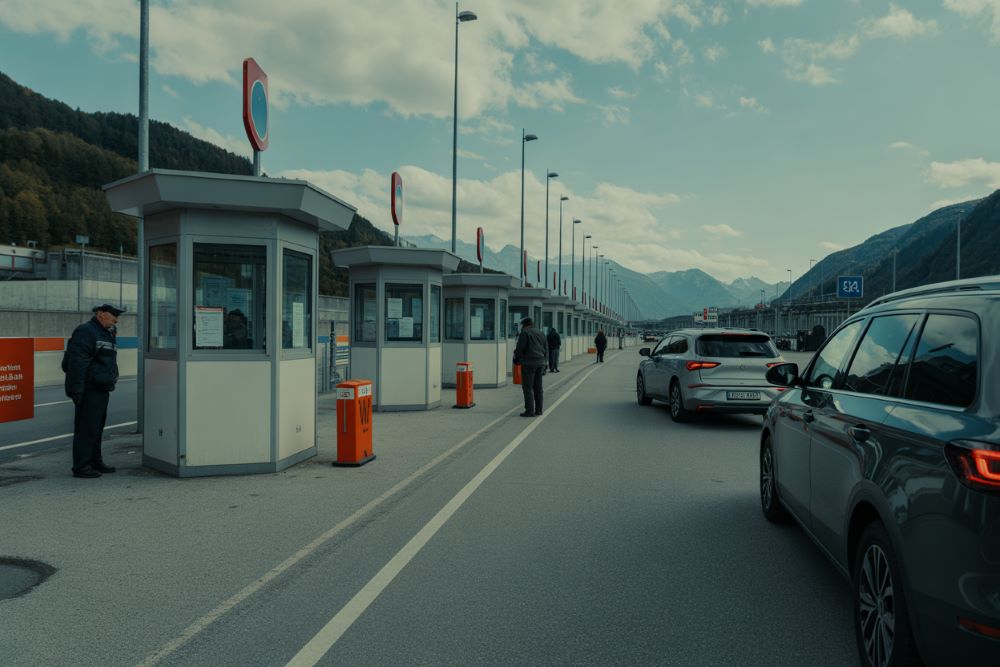
For travellers and businesses, this extension of border controls has significant implications. Delays at the border are likely to become more frequent as passport checks are carried out at key points of entry between Austria and its neighbours. Drivers and passengers crossing from Hungary, Slovenia, Czech Republic, and Slovakia should expect to be stopped and asked to provide identification and relevant travel documents.
Freight transport is also likely to face disruptions. With increased checks, goods transporters may experience longer transit times as trucks are required to undergo customs processing and border inspections. The extension of border controls could result in delayed shipments and additional logistical costs, particularly for industries reliant on smooth cross-border trade.
Impact on Tourists: Should You Be Worried?
For the millions of tourists who visit Austria each year, particularly those from neighbouring countries, this news raises important questions about how their travel plans will be affected. The good news for most visitors is that rail travel between Austria and other countries remains largely unaffected. Trains, which are typically not subject to the same border checks as road transport, will continue to provide a more efficient and hassle-free means of crossing the border.
However, tourists arriving by car or bus should anticipate possible delays at the borders. While these checks are designed to ensure the safety of Austrian citizens and visitors alike, they will likely result in longer wait times, particularly during peak travel periods such as holidays or weekends. Those planning to drive through Austria should ensure they have valid identification and necessary documents at hand to avoid delays.
Moreover, tourists visiting from countries within the Schengen Area should also prepare for extra scrutiny when entering Austria. Although Austria’s border controls are primarily aimed at managing irregular migration, they will affect anyone attempting to cross the border, regardless of nationality.
A Shifting Landscape: How Austria’s Border Policies Affect Schengen
Austria’s decision is part of a growing trend in European Union countries that are rethinking the open borders principles of the Schengen Area in light of the migration crisis. Several Schengen nations, including Germany, France, and Denmark, have reintroduced internal border checks, albeit temporarily, to address the perceived threats posed by irregular migration.
The Schengen Area’s rulebook allows for the temporary reintroduction of border checks when a country faces a serious threat to public order or national security. However, Austria’s extension of border checks until 2026 raises critical questions about the long-term viability of the Schengen Area’s border-free travel system. Many argue that the European Union must reconsider its approach to migration and border security if it is to preserve both the principle of free movement and the security of its member states.
Austria’s Legal Right to Extend Border Controls
Austria’s extension of border controls is legally supported by the Schengen Borders Code. This code allows EU countries to introduce temporary internal border checks for up to six months at a time, with the possibility of renewal. Austria has invoked this right in response to what it deems as prolonged security threats and migration pressures.
To ensure compliance with EU rules, Austria must report its decision to the European Commission and justify the continuation of these border checks. This process includes assessing the effectiveness of the measures and considering whether they remain proportionate to the level of threat.
In a broader sense, Austria’s actions underscore the evolving dynamics of the Schengen Area. While the Schengen Agreement allows for open borders, it also allows nations to take necessary measures when they feel that their national security is at risk.
How Long Will These Border Controls Last?
Austria has made it clear that the current border checks will remain in place until at least June 2026. This extension represents a prolonged commitment to maintaining security at the country’s borders. For those looking to visit Austria, it means planning ahead and preparing for the possibility of longer waits at land borders.
While these checks may be extended further, it is essential for travellers to remain flexible with their plans. Authorities are likely to continue reviewing the situation periodically, assessing whether the controls remain necessary in light of the changing migration and security landscape.
What Can We Expect from Austria’s Migration Policy?
The extension of border checks is just one part of Austria’s broader migration policy, which is focused on balancing security concerns with humanitarian obligations. Austria has consistently maintained a strict stance on migration, advocating for a more controlled approach to asylum seekers and refugees.
While Austria remains committed to its international obligations under the Geneva Refugee Convention, the extension of border controls signals the country’s ongoing concerns over the capacity of the EU’s migration systems to manage the growing numbers of arrivals.
Looking forward, Austria’s policies are likely to evolve as part of the EU’s ongoing debate on how best to manage migration, provide support to refugees, and ensure national security. The EU’s future migration framework will play a crucial role in shaping the long-term policies of Austria and other Schengen member states.
Conclusion: Preparing for Travel to Austria in 2026
The extension of Austria’s border controls until June 2026 is a significant step in the country’s efforts to manage migration and maintain national security. While it may cause some inconvenience for travellers, it is a necessary measure to address the ongoing challenges Austria faces in terms of migration and security.
Travellers looking to visit Austria should be aware of potential delays, especially if crossing by land. To avoid disruptions, it may be wise to consider alternative travel methods, such as rail services, which are not subject to the same border checks. As the situation continues to evolve, it will be crucial to stay informed about any changes to Austria’s border policies.
For the time being, Austria’s border controls represent an essential part of the country’s approach to managing migration, and travellers must be prepared for their implications in the coming years.
