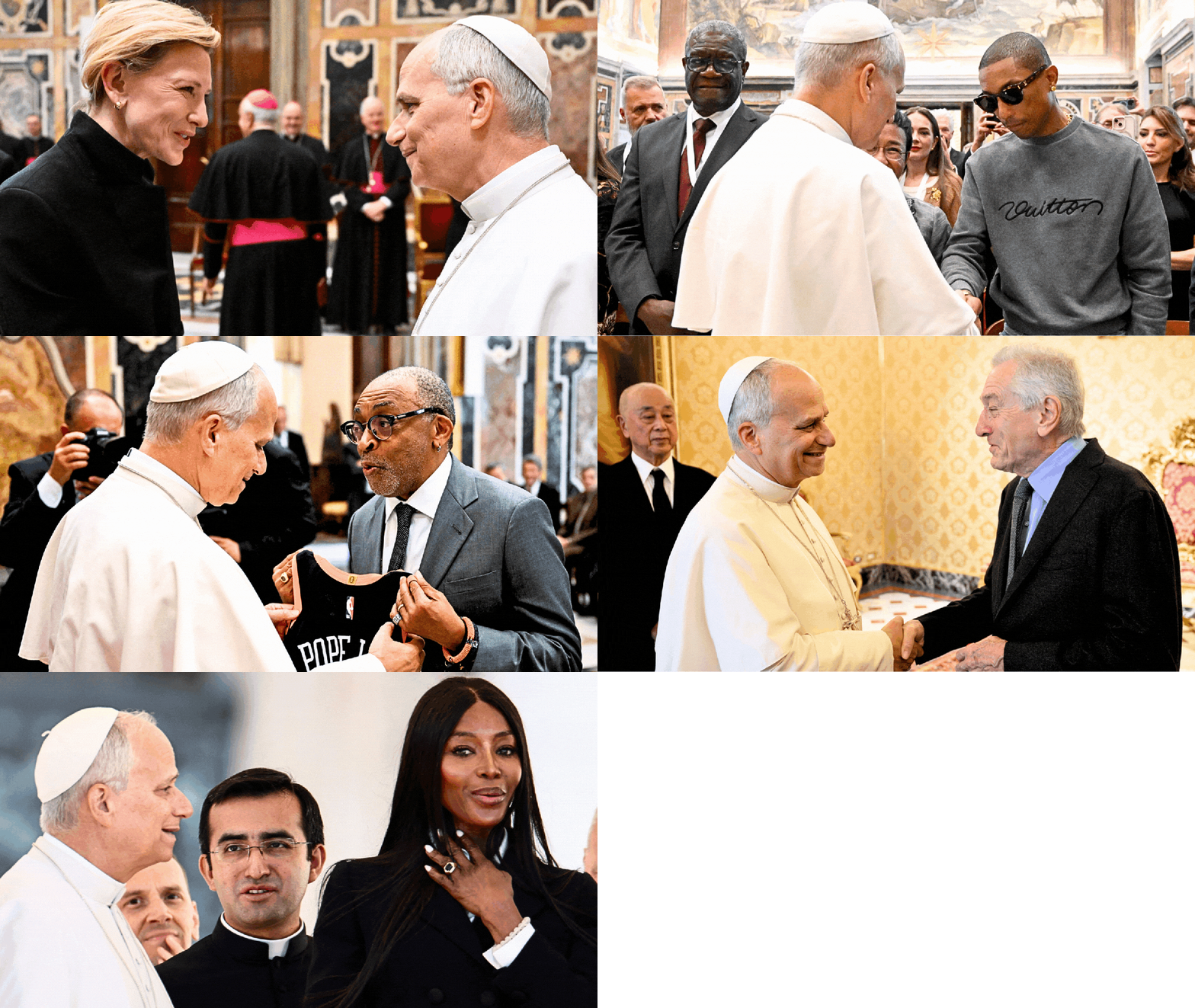
When the Pope addressed a host of Hollywood film stars and directors at the Vatican last month, some regarded it as the latest evidence that the first American in the post intended to enjoy himself.
Leo had already granted audiences to Al Pacino and Robert De Niro. Arnold Schwarzenegger had appeared with him on stage, calling him a true “action hero”. Now the 70-year-old man from Chicago, who grew up in the golden age of cinema, had Spike Lee, Judd Apatow and Cate Blanchett in the palace.
Onlookers, including film critics, hailed the arrival of a genuine cinephile at the head of the Catholic Church. “Leo is making a case for art to artists,” one writer at New York magazine said.

Leo with Arnold Schwarzenegger for a “Raising hope for climate justice” event in October
MASSIMO VALICCHIA/NURPHOTO/GETTY IMAGES
Watching from Philadelphia, Arthur Purcaro thought back to 1986, when he and Robert Prevost, as Pope Leo was then, were Augustinian missionaries riding to remote villages in northern Peru with a plastic film projector stuffed in saddle bags on one of their mules. It came with a battery that would last eight hours and the film strips for the Franco Zeffirelli miniseries Jesus of Nazareth.
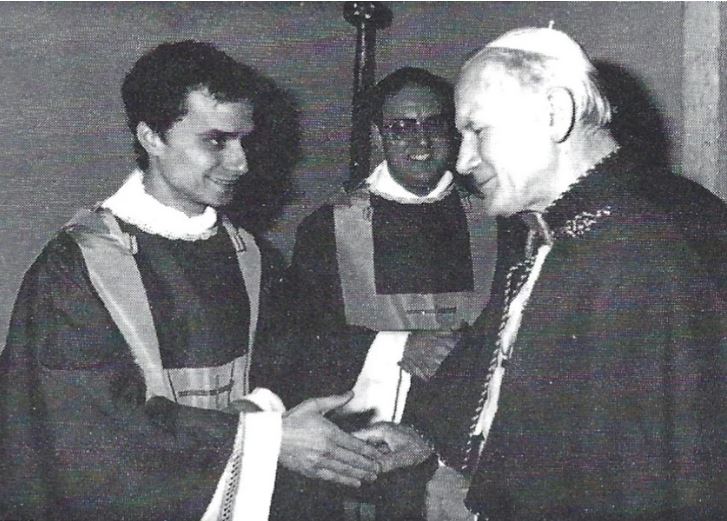
Robert Prevost with Pope John Paul II
The villages they were riding to “had no electricity … no running water … no schools”, said Purcaro, who grew up in the Bronx. “To bring a projector and put a film up on the wall — they’d just never seen anything like that. The kids particularly would come up and touch the wall.”
Afterwards someone would pull out a record player and ask to plug it into the battery. “They would play some awful tunes until I told them at one o’clock in the morning: ‘I will take the battery or you will not have Mass in the morning because I need to sleep’,” he said.
In these villages, “you would want people to discover God in gatherings”, said Purcaro, who is now an adjunct professor of theology at Villanova University, Philadelphia. They saw their work as bringing people together for events — whether that be a football match, a film or a “donkey race”. He said: “You try to help them come together and you find God in one another.” Purcaro thinks this is the principle underlying the Pope’s speech to the film-makers.
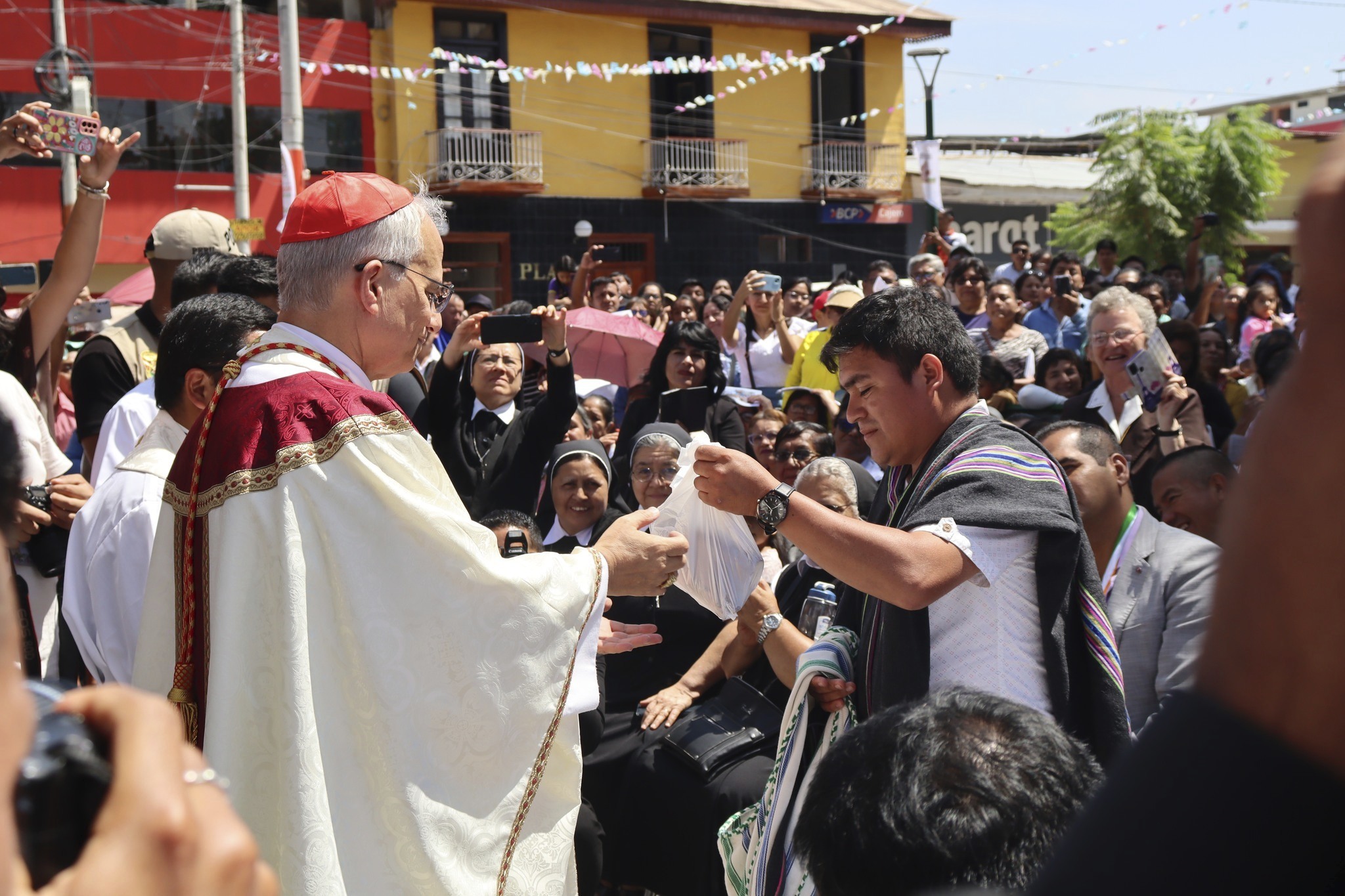
Leo back in Peru last year
AP
The Pope spoke of cinema as “a play of light and shadow” that conveys “much deeper realities … The magic light of cinema illuminates the darkness. Entering a cinema is like crossing a threshold. In the darkness and silence, vision becomes sharper, the heart opens up and the mind becomes receptive to things not yet imagined.”
Cinemas are at the heart of communities, he said. He fears their disappearance. “The logic of algorithms tends to repeat what ‘works’, but art opens up what is possible,” he said. “May your cinema always be a meeting place and a home for those seeking meaning.”
Purcaro said he heard their experiences in Peru reflected “in many different ways”. The Pope was “telling all these actors and directors: ‘You help us see God in ourselves’.”
The Pope’s predecessor, Francis, held a similar event with comedians, speaking on the importance of comedy to an audience that included Chris Rock, Stephen Colbert and Jim Gaffigan. His speech received mixed reviews. The stand-up Mike Birbiglia, who attended, suggested that Francis telling Rock about comedy was akin to “me showing up at Nasa being like: ‘I got some thoughts on rockets.’”
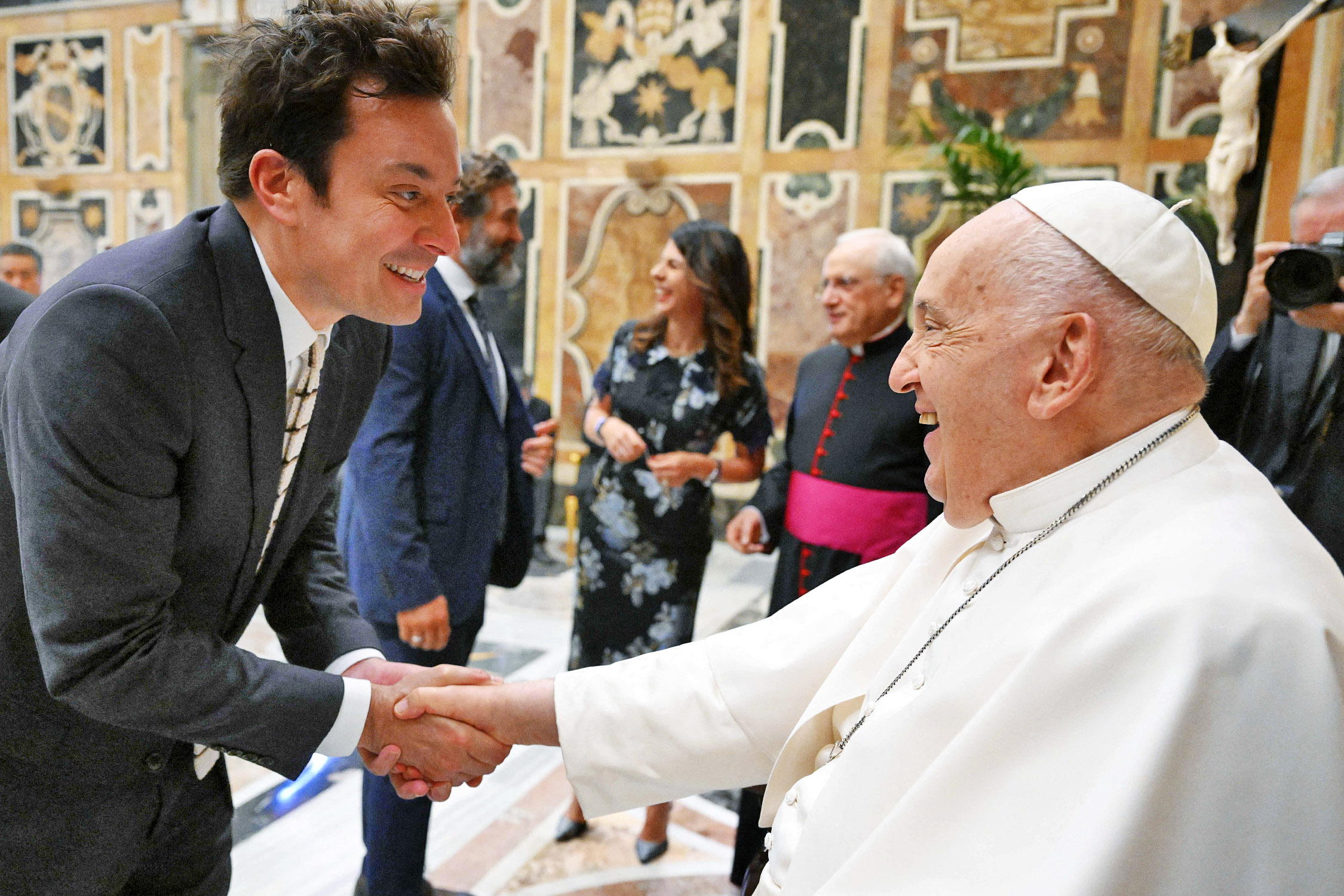
Francis meeting Jimmy Fallon, who was among more than 100 comedians he gathered at the Vatican last summer
GETTY IMAGES

By contrast Leo’s speech to the film-makers, cast by the Vatican as an attempt to “deepen dialogue with the world of cinema”, was seen as a well-informed and heartfelt address. The Vatican had announced his favourite films beforehand. The Catholic Church, which once regarded cinema with suspicion, was now putting out recommendations.
“I don’t think I’d want to know what some popes’ favourite films are,” Purcaro said. “But I was not entirely displeased with Pope Leo’s choice. I mean, three of them were very folksy,” he said, referring to the selection of It’s A Wonderful Life, The Sound of Music and Life is Beautiful.
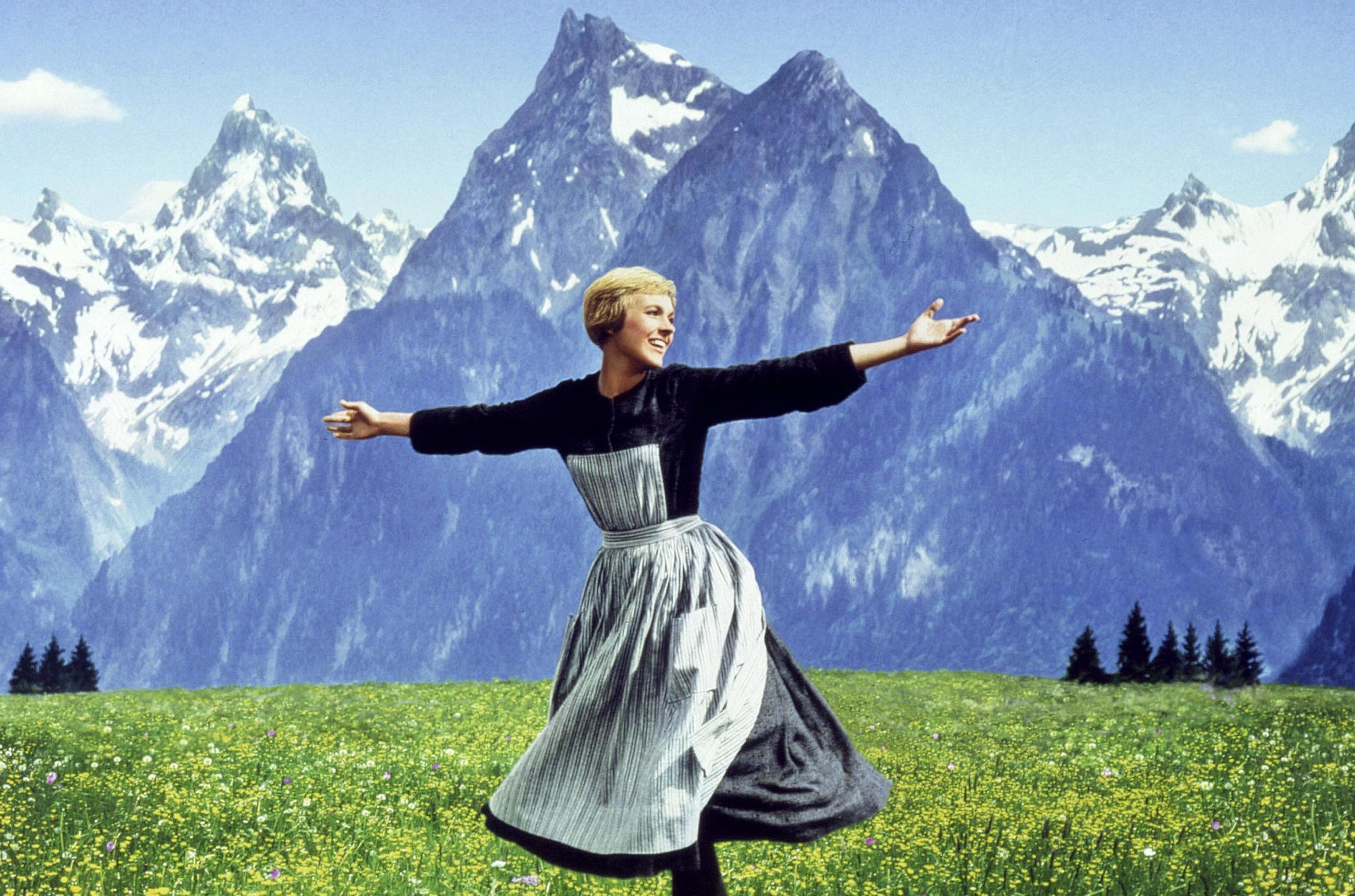
The Sound of Music was among Leo’s favourite films
ALAMY
The other choice, the Robert Redford film Ordinary People, which came out in 1980 and won four Oscars, tells the story of a death in a family and of an attempted suicide. “The fourth one was a little bit of a surprise because Ordinary People … is a pretty tough film,” Purcaro said.
The Pope told film-makers they could offer “hope, beauty and truth”, though he urged them: “Do not be afraid to confront the world’s wounds … Good cinema does not exploit pain. It recognises and explores it.”
Purcaro last saw his friend in July at the Pope’s summer retreat in Castel Gandolfo, southeast of Rome. At the time it was reported there was some relief in the grounds that the new American pope was visiting.
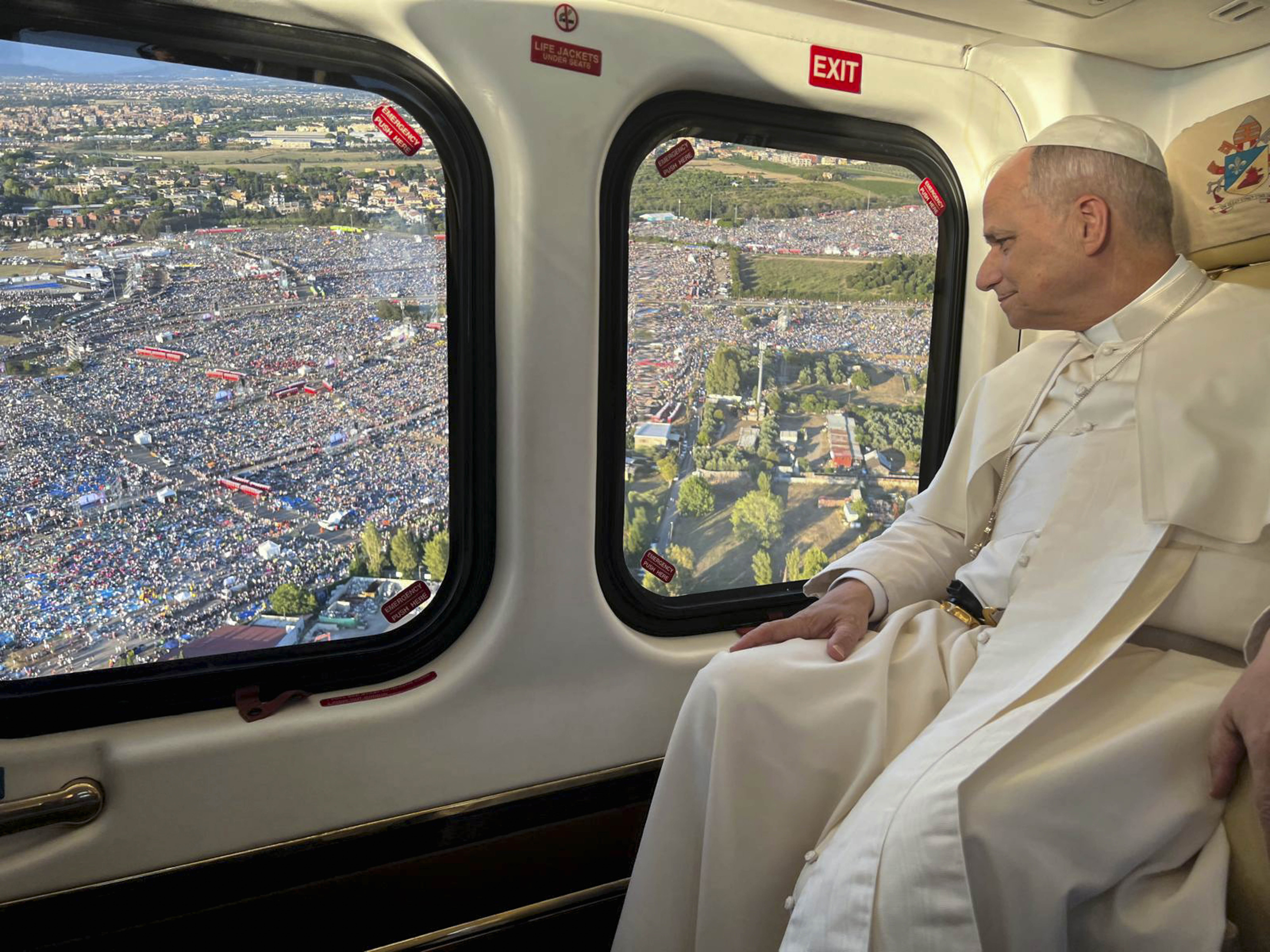
Leo surveying Rome in August
GETTY IMAGES
Francis had embraced a pointedly humble lifestyle that did not apparently allow for summer holidays. Leo, by contrast, is a tennis fan and a donor paid to install a court at the property, Purcaro said. The Pope would take an electric cart from the house down to the court and play a game with his personal secretary, Purcaro said, “then go swimming”.
Back at the Vatican, besides meeting film-makers, the Pope hosted the Italian title-winning Napoli football team and the Italian tennis champion Jannik Sinner. “He admires what they do, and he wants to encourage them to do it for good,” Purcaro said.

Meeting Scott McTominay, the Scottish footballer who plays for Napoli
SIMONE RISOLUTI/GETTY IMAGES

A private audience with Jannik Sinner
VATICAN MEDIA/AFP
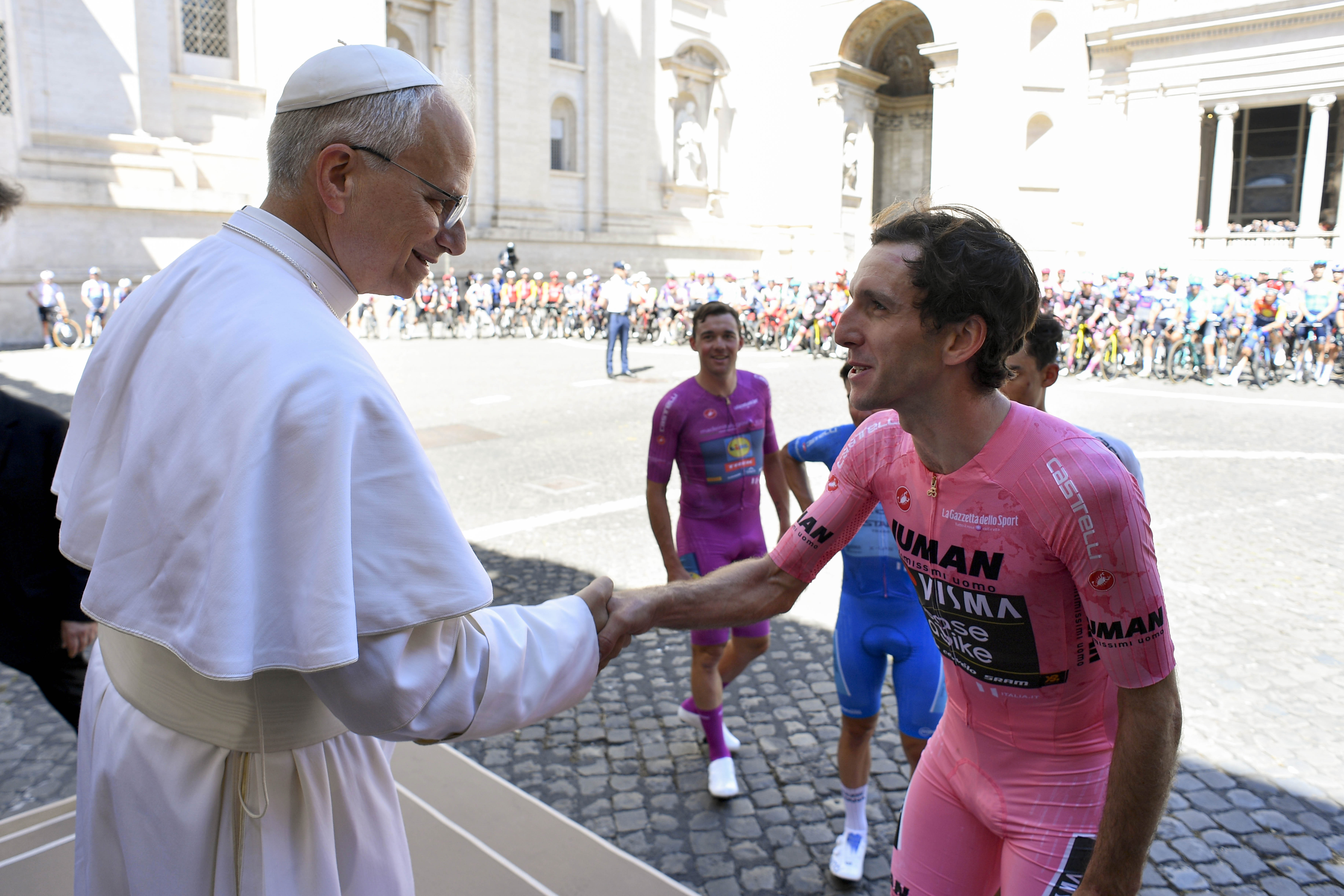
With Simon Yates, winner of the Giro d’Italia, in June
FRANCESCO SFORZ/GETTY IMAGES
It is just as they did in Peru, minus the donkeys. “It’s anything that brings people into the same cinema hall or the same sports stadium or the same dance hall,” he said. “The people would come together.”