The reprieve is only temporary. On the evening of Thursday, December 18, Ursula von der Leyen informed the leaders of the 27 European Union member states, who had gathered in Brussels, that the signing of the free trade agreement between the EU and the Mercosur group of South American countries (Argentina, Brazil, Paraguay and Uruguay) would be postponed until January. The Commission president had hoped to sign the treaty on Saturday, during the Mercosur summit in Brazil. Before doing so, however, she needed to secure the approval of a qualified majority of member states. She did not succeed, due to opposition from France and Italy. A few hours earlier, Italian Prime Minister Giorgia Meloni had urged the Brazilian president to support postponing the signing.
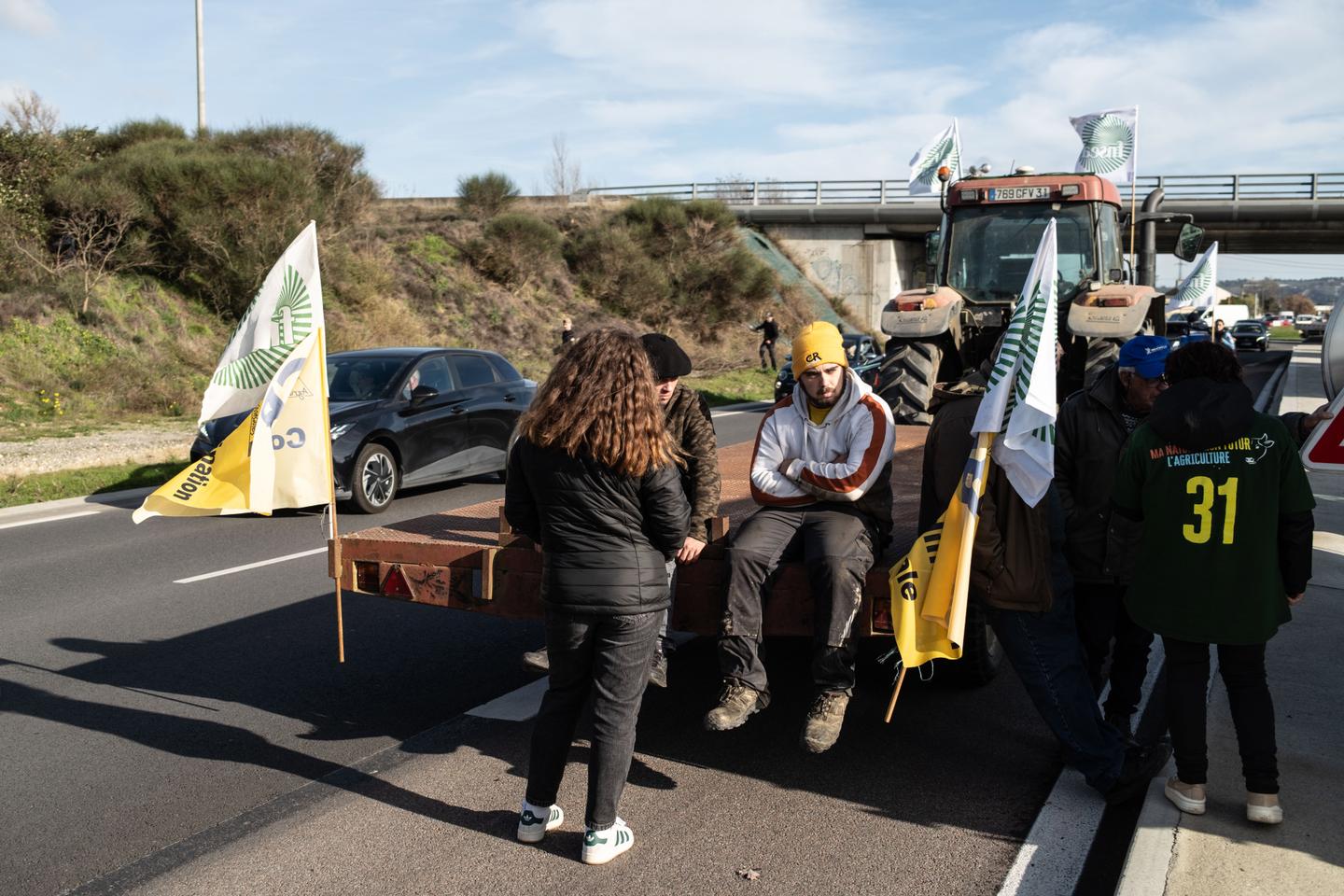
Would the farmers have marched with the same anger, just a few hours earlier, if they had known about the postponement? Most likely, since Mercosur was not the only reason thousands of them protested in Brussels and in many regions of France, where the culling of herds infected by nodular dermatitis, widely known as lumpy skin disease, has become a focal point for their discontent.
The Belgian authorities were worried about the demonstration organized in Brussels by Copa-Cogeca, a lobby group calling itself “the united voice of farmers and agri-cooperatives in the EU.” As a result, the part of the European district usually cordoned off during meetings of national leaders was significantly expanded, the city center was inaccessible by car, and hundreds of police officers, including members of riot control units, were deployed. Law enforcement ultimately only intervened at the very end of what had until then been a peaceful protest, which gathered 10,000 people according to the organizers and 7,300 according to the police.
You have 85.25% of this article left to read. The rest is for subscribers only.