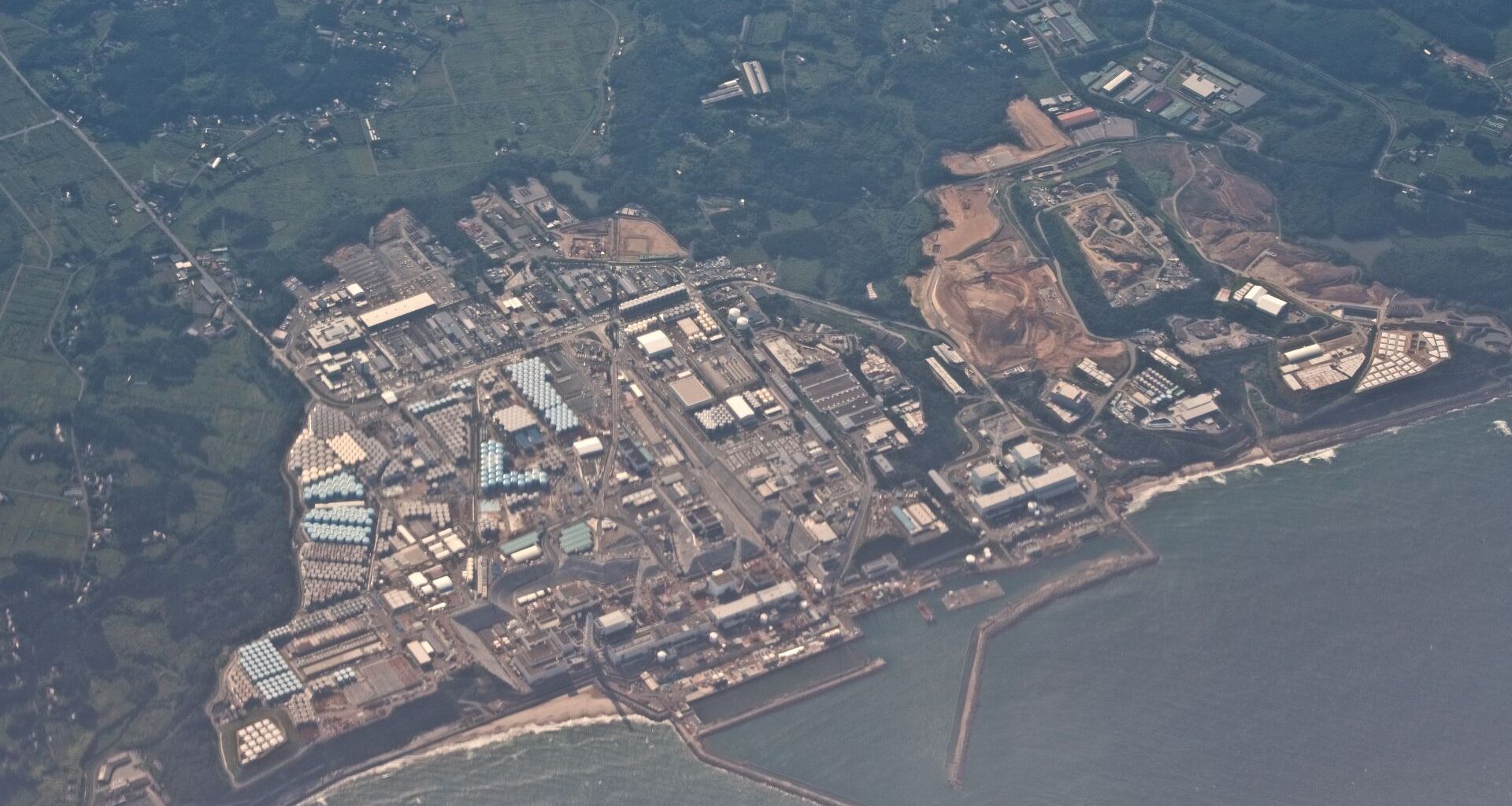
Japan has completed the 17th round of discharging nuclear-contaminated water from the crippled Fukushima Daiichi Nuclear Power Plant.
The operation, which began in August 2023 despite international concerns and opposition, has now released a cumulative total of around 133,000 tons into the ocean.
Tokyo Electric Power Company (TEPCO) reported that, for fiscal 2025 (April 2025 to March 2026), it plans to conduct seven rounds of wastewater discharge, totaling approximately 54,600 tons.
Recently, Japan has moved to revive nuclear energy, with its Niigata region approving the restart of the Kashiwazaki-Kariwa plant, the world’s largest, nearly 15 years after Fukushima.
Reactor cleanup progress
Struck by a 9.0-magnitude earthquake and a subsequent tsunami on March 11, 2011, the Fukushima nuclear plant experienced core meltdowns that released significant radiation, marking a level-7 nuclear accident—the highest on the International Nuclear and Radiological Event Scale.
Since then, the plant has produced large volumes of water contaminated with radioactive substances used to cool the reactor cores. This radioactive water is currently stored in on-site tanks at the facility.
The latest discharge, which began on December 4, was briefly halted after a powerful earthquake off the coast of Aomori Prefecture on December 8, but resumed the following day. According to TEPCO, during this round, 7,833 tons of wastewater containing roughly 2.4 trillion becquerels of radioactive tritium were released, China Daily reported.
TEPCO has stated that preparing to remove molten fuel from the third reactor will take 12 to 15 years. The process involves reducing radiation levels and constructing facilities needed to access the reactor. Estimates indicate that at least 880 tons of molten nuclear fuel, combined with damaged internal structures and debris, remain inside the three reactors.
Earlier this year, TEPCO deployed a giant robot with a 72-foot arm to extract the first fuel sample from a reactor. The material, called “fuel debris,” is a radioactive mixture formed when intense heat melted and fused fuel rods with internal reactor components.
Nuclear energy revival
Japan has taken a significant step toward reviving its nuclear energy program as Niigata prefecture approved the restart of the Kashiwazaki-Kariwa Nuclear Power Plant on Monday.
The plant, operated by TEPCO, was among 54 reactors shut down after the 2011 Fukushima disaster. Since then, Japan has restarted 14 of the remaining 33 operable reactors to reduce reliance on imported fossil fuels. TEPCO plans to reactivate the first of seven reactors at the site on January 20, according to public broadcaster NHK.
The decision follows a vote of confidence in Governor Hideyo Hanazumi, a supporter of the restart, clearing the final local hurdle. Restarting just one reactor could boost electricity supply to the Tokyo area by around 2 percent, helping Japan meet rising energy demand driven by AI data centers, despite a shrinking population. Prime Minister Sanae Takaichi, in office for two months, supports nuclear restarts to enhance energy security and reduce costs from imported coal and liquefied natural gas, which totaled $68 billion (10.7 trillion yen) last year.
TEPCO has pledged $641 million (100 billion yen) over the next decade to gain local support. However, public concern remains high. Around 300 protesters gathered outside Niigata’s assembly, and surveys indicate 60 percent of residents feel conditions for restarting are inadequate, while nearly 70 percent worry about TEPCO’s management. The restart marks TEPCO’s first reactor reactivation since Fukushima, amid ongoing debates over safety and energy policy.