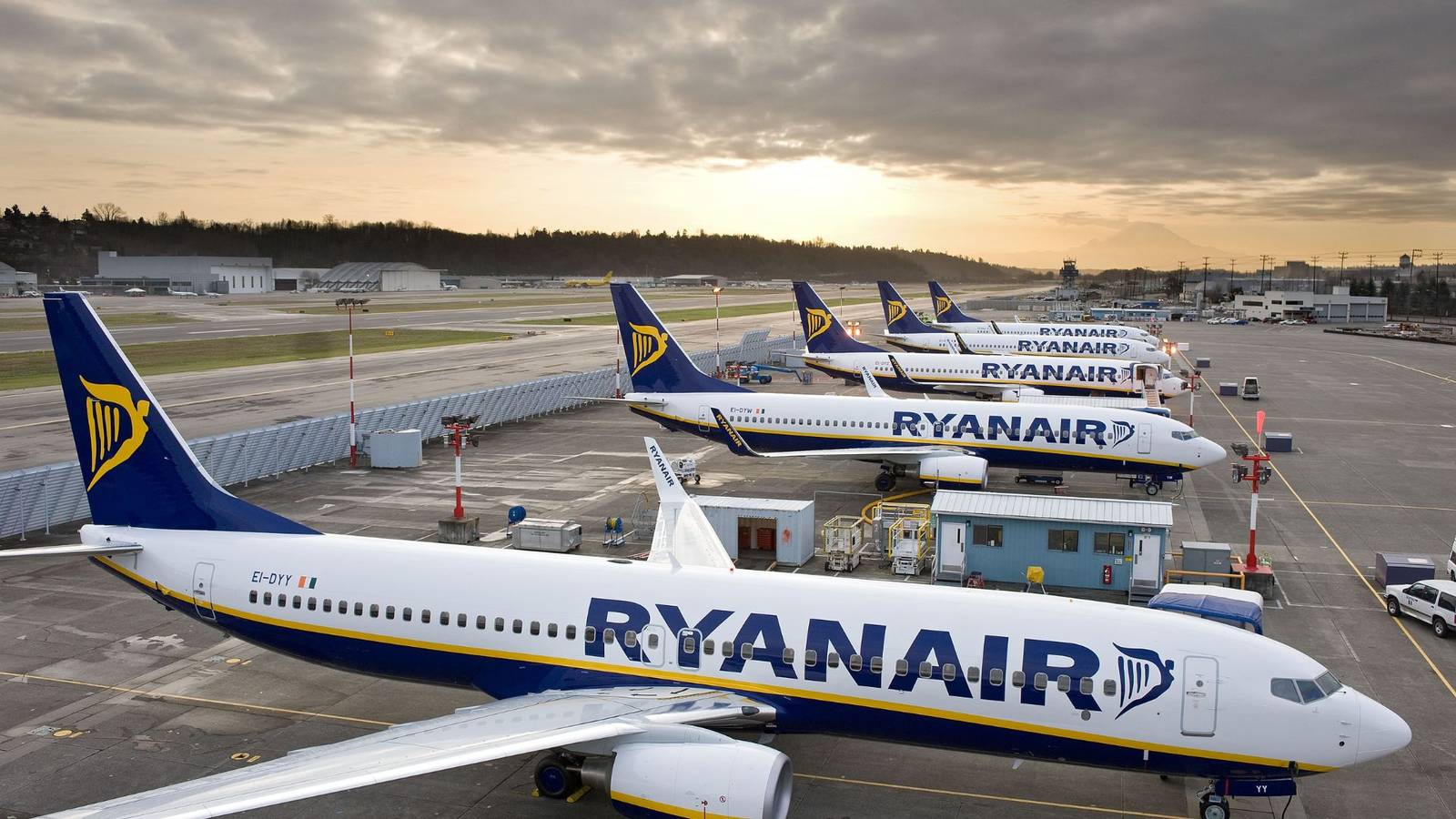
Italy’s Competition Authority (AGCM) has fined Ryanair €256 million for abusing its dominant market position in Italy. The ruling, announced in December 2025, targets the airline’s practices that made it difficult for travel agencies and passengers to combine Ryanair flights with those of other carriers. The decision impacts routes across Italy and beyond, including key European hubs like Milan and Dublin. Regulators cited concerns that the airline restricted competition and limited passenger choice.
This ruling is particularly significant for the virtual interlining industry, which specializes in connecting flights from different airlines into single itineraries. By making it easier for passengers and booking platforms to mix Ryanair flights with other carriers, the decision could open up cheaper and more convenient travel options. It also raises questions about how low-cost carriers will adapt to new regulatory pressures in Europe. Travelers and online booking platforms alike are watching closely for the airline’s next move.
The Basis Of The Fine
Credit: Ryanair
The AGCM ruling highlights that Ryanair deliberately made it difficult for third-party platforms to sell combined itineraries. This included technical and contractual barriers that prevented flights from being booked together with other carriers. The regulator found that these practices limited consumer choice and potentially inflated costs for passengers.
The decision is likely to have immediate implications for travel agencies and online booking platforms, which rely on the ability to offer multi-leg trips at competitive prices. Passengers may soon notice smoother booking experiences and more pricing options for trips involving Ryanair. The ruling could set a precedent across Europe, encouraging other regulators to scrutinize similar low-cost carrier practices. Ryanair’s Chief Executive, Michael O’Leary, said:
“This legally baseless AGCM Ruling, and its absurd 256 million euro fine, undermines consumer protection and competition law, and it will be overturned on appeal.”
How It May Affect Travelers
Credit: Vincenzo Pace
Virtual interlining is a growing segment in European travel, allowing passengers to book multi-leg trips across airlines that do not traditionally cooperate. Ryanair’s past restrictions have limited the sector’s growth, forcing travelers to make separate bookings and manage connections manually. With the AGCM ruling, these restrictions are likely to be reduced, increasing options for budget-conscious passengers.
Low-cost carriers like Ryanair have historically prioritized direct sales to keep fares low. However, regulators argue that these practices can harm competition and innovation. If Ryanair complies, it may signal a shift in how budget airlines interact with third-party platforms and interlining services across Europe.
The ruling also emphasizes broader regulatory trends in Europe, where authorities are increasingly scrutinizing dominant carriers to ensure they do not stifle competition. This may influence other low-cost airlines and encourage more transparent and consumer-friendly booking practices.

Related
5 Differences Between Ryanair & Ryanair UK
The differences between these two operators are extremely subtle.
The Impact Going Forward
Credit: Shutterstock
Ryanair has indicated it will appeal the AGCM’s decision, arguing that its low-cost business model ultimately benefits passengers by keeping ticket prices affordable and streamlining operations for efficiency. The airline claims that direct sales allow for simpler booking processes and help maintain its competitive pricing structure. However, the Italian regulator maintains that ensuring fair competition and providing open access for travel agencies and third-party booking platforms is equally critical. By restricting how Ryanair flights can be combined with other carriers, the airline has limited consumer choice and potentially made travel more cumbersome for passengers who want multi-leg itineraries.
The ruling could have far-reaching implications for the broader European airline industry. It may influence future legislation and regulatory oversight regarding airline distribution, particularly in areas such as transparency, anti-competitive practices, and fair access for travel agencies and online booking platforms. Additionally, it could encourage the accelerated adoption of technological solutions that make it easier for passengers to combine flights across multiple carriers. Platforms specializing in virtual interlining, which stitch together flights from different airlines into seamless itineraries, may benefit significantly if Ryanair adjusts its policies to comply with the ruling.
For travelers, these changes could result in a more convenient booking experience, with fewer barriers to creating multi-leg itineraries and reduced risk of missed connections due to disconnected bookings. Passengers may also see a broader range of competitive options and potentially lower overall travel costs as online platforms gain the ability to integrate Ryanair flights more freely. Travel agencies, third-party booking services, and passengers alike will be closely monitoring Ryanair’s response over the coming months, as the airline’s compliance, or appeal, could shape the future of low-cost travel and interlining in Europe.