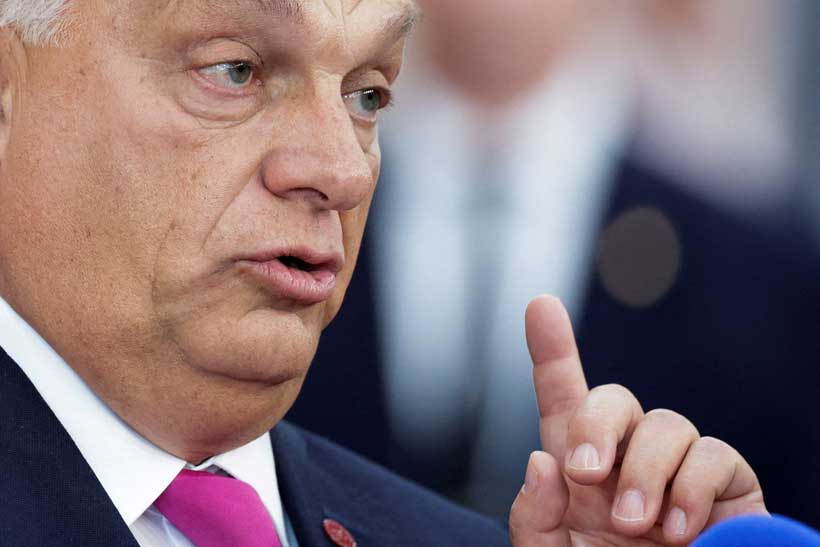
Hungary’s Prime Minister Viktor Orban aims for reelection amid economic struggles and rising living costs ahead of the April election. Although he received a slight boost in polls from a pensions increase, the stagnant economy poses significant challenges for his party’s continued control after 15 years.
Orban, a nationalist leader known for his critical stance against the European Union and strong connections with figures like U. S. President Donald Trump and Russia’s Vladimir Putin, must address domestic discontent. A recent Eurobarometer survey identified the rising cost of living as the top concern for Hungarians, even as inflation decreased from over 25% earlier in 2023 to within the central bank’s target range by November.
Hungary’s economy lags behind its Central European neighbors, with food prices at EU average levels and average salaries ranking among the lowest in the bloc. Orban’s pension top-up plan, which is projected to cost $454 million annually, targets Hungary’s 2.4 million retirees, who constitute over a quarter of the voter base. This strategy boosted his party’s support among older voters temporarily but did not significantly alter their overall economic situation, as many face financial uncertainty.
Despite positive sentiment from some retirees, like Erzsebet Botlik, concerns over long-term affordability and financial security remain. Orban’s pre-election spending initiatives resemble those by mainstream parties in other Central European nations, aiming to win votes but posing risks of future financial strain for the incoming government. Fitch Ratings has downgraded Hungary’s outlook, indicating potential further costs linked to these measures.
The International Monetary Fund flagged the risks of unsustainable pension spending, predicting soaring public debt levels if reforms are not enacted. While recent trends suggest inflation may dip, experts believe that changes in public sentiment will be slow and any remedies may arrive too late for Orban to secure a favorable outcome in the election.
With information from Reuters