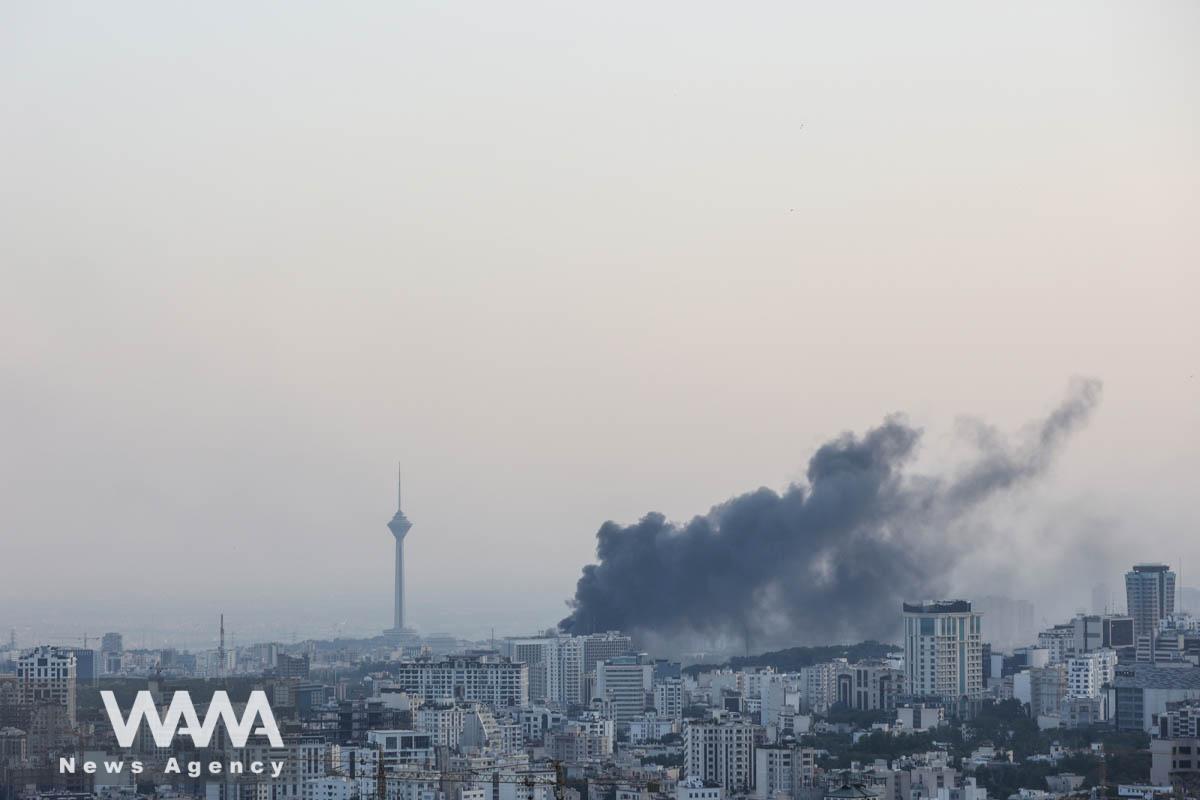
WANA (Dec 24) – In a potential future confrontation, the primary objectives of Israel and its ally, the United States, would be to weaken three of Iran’s main sources of strength. In this context, Israel would seek to cripple Iran’s missile capabilities in the early hours of the conflict, while also focusing on public discontent and the possibility of unrest inside the country.
The 12-day imposed war was not an “accident”; it was a security test for Tehran—a test that revealed how Israel thinks and where Iran needs to strengthen itself. If one assumes that the next war will resemble the previous one, they are standing precisely where the enemy wants them to be.
One fundamental principle of warfare should never be forgotten: the enemy always plans tomorrow’s strikes based on yesterday’s strengths. For this reason, experts believe that in a potential next confrontation, the enemy will concentrate on three core strengths of Iran.
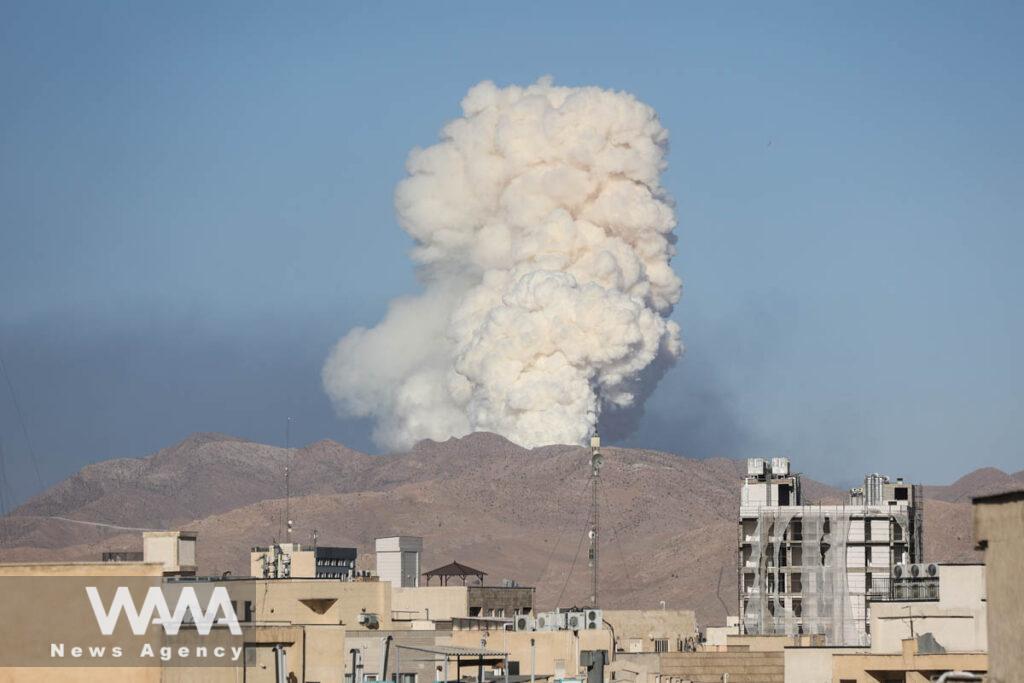
Smoke rises following an Israeli attack in Tehran, Iran, June 18, 2025. Majid Asgaripour/WANA (West Asia News Agency)
During the 12-day war, Iran demonstrated three key strengths that Israel and the United States are likely to target with decisive blows in any future conflict. These three main strengths were:
Strong command and control
Robust missile operations
High public resilience
 Catherine Shakdam: An Iranian Spy or an Israeli One?
WANA (Dec 20) – Until recently, the name Catherine Shakdam was unfamiliar to much of the Iranian public. A Jewish woman, writer, and political analyst, she had spent years moving on the margins of Persian-language media, writing about the Middle East and occasionally presenting herself as a critic of Israeli policies or an advocate of […]
There is little doubt that undermining these three pillars will be among Israel’s main objectives in a future confrontation. Accordingly, the enemy’s primary scenarios for the next war can be outlined as follows:
Decisive strikes against Iran’s command and control structure:
Despite the targeting of senior Iranian military commanders in the early hours of the 12-day war, Iran’s “rapid recovery of command” proved to be a major strength. Israel is now reportedly designing plans specifically aimed at disabling that very capability.
There is a serious possibility that, in a future war, Iran’s communications infrastructure will be the primary target—an effort to simultaneously disrupt military, administrative, and even public communications, in order to paralyze decision-making and coordination at critical moments.
Crippling Iran’s missile capabilities in the early hours and days:
Powerful and repeated missile operations during the previous war significantly disrupted Israel’s capabilities. It is highly likely that Israel is now planning to neutralize Iran’s missile forces in the opening hours and days of a potential future conflict.
Focusing on public discontent and unrest:
The high level of resilience among Iranians, along with their firm support for the armed forces, constituted Iran’s third major advantage in gaining military superiority over Israel and the United States.
Israel is expected to place particular emphasis on public dissatisfaction and the possibility of unrest in any future war. Inflation and rising prices in recent months have led to widespread complaints among Iranians. While these grievances have not yet reached a boiling point, they could increase Iran’s vulnerability in the event of another potential attack.
 Does Lebanon View Iran as an Enemy State?
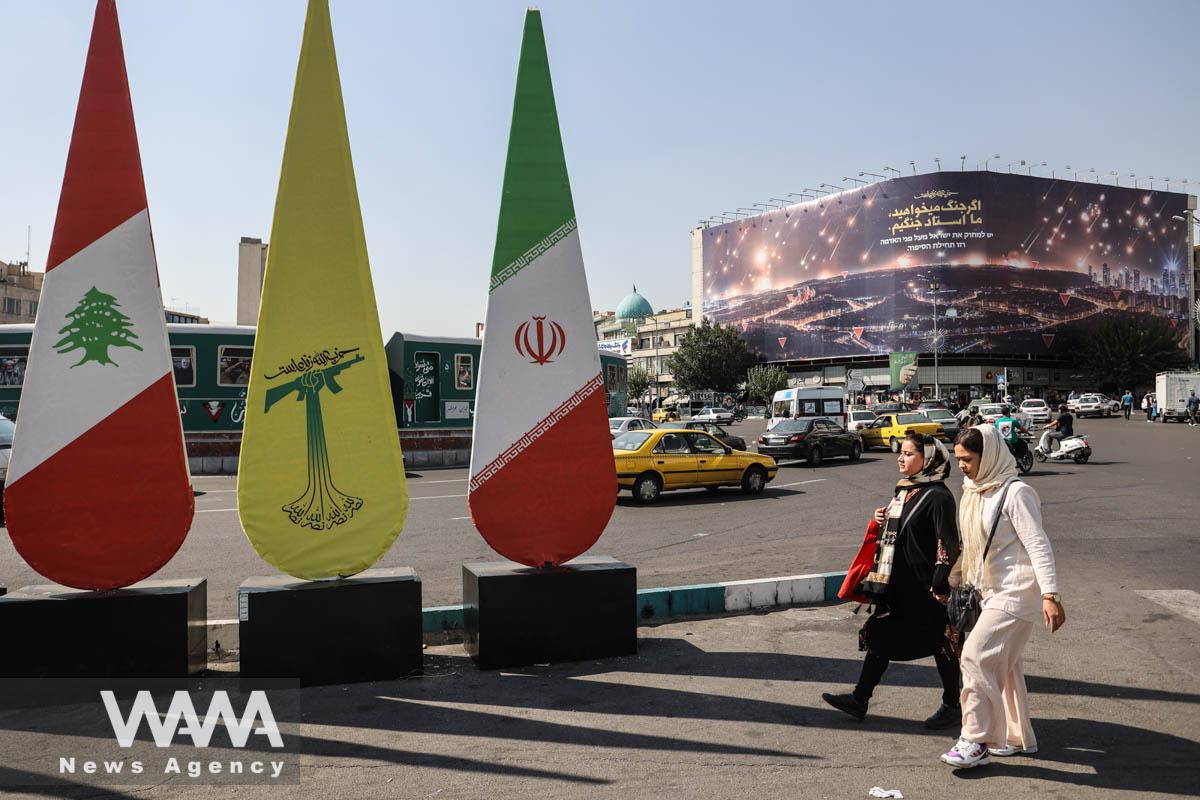
WANA (Dec 23) – In recent weeks, a series of contradictory positions emerging from Beirut and Tehran has pushed a serious question into the media spotlight: Is Lebanon redefining Iran as a “problematic state,” or even a “potential adversary”? The question arises from clear inconsistencies in official rhetoric—from the harsh remarks of Lebanon’s foreign […]
Iran–Israel 12-Day War
The 12-day war between Iran and Israel marked a sharp escalation in their long-running shadow conflict. Rather than a full-scale war, it involved targeted strikes, missile and drone attacks, intelligence operations, and cyber warfare, with both sides seeking to deter the other while avoiding a wider regional conflict.
The confrontation tested military capabilities, response speed, and internal resilience. Israel focused on disrupting Iran’s command structure and military assets, while Iran demonstrated its ability to carry out sustained missile operations and quickly restore command and control.
Analysts view the 12-day conflict as a strategic test rather than an isolated event, providing both sides with lessons for future confrontations.
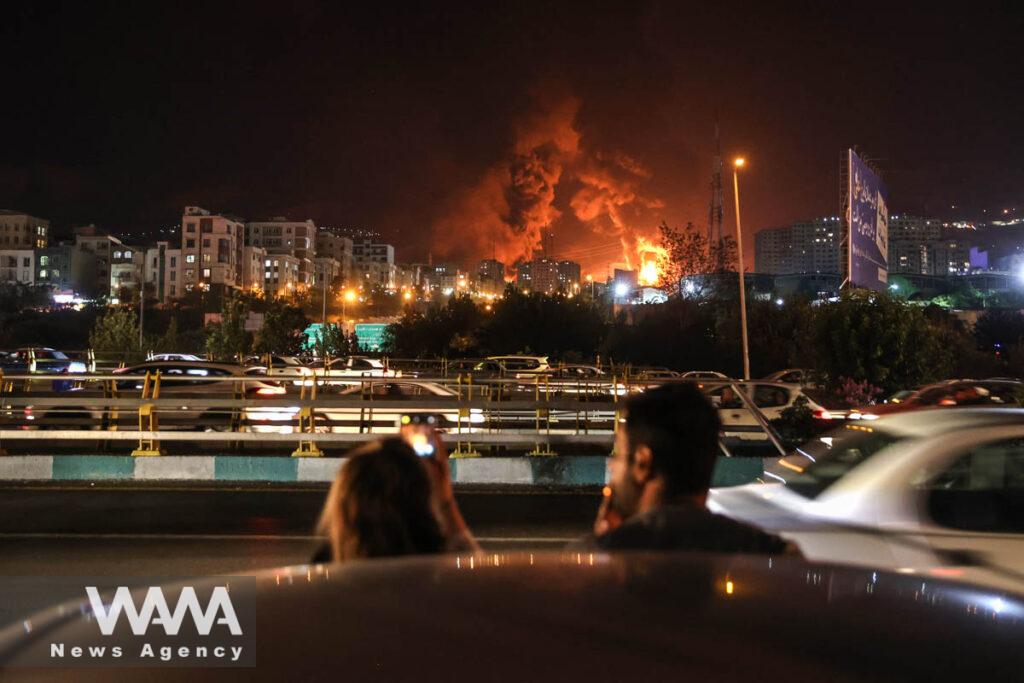
Fire of Israeli attack on Sharan Oil depot is seen following the Israeli strikes on Iran, in Tehran, Iran, June 15, 2025. Majid Asgaripour/WANA (West Asia News Agency)