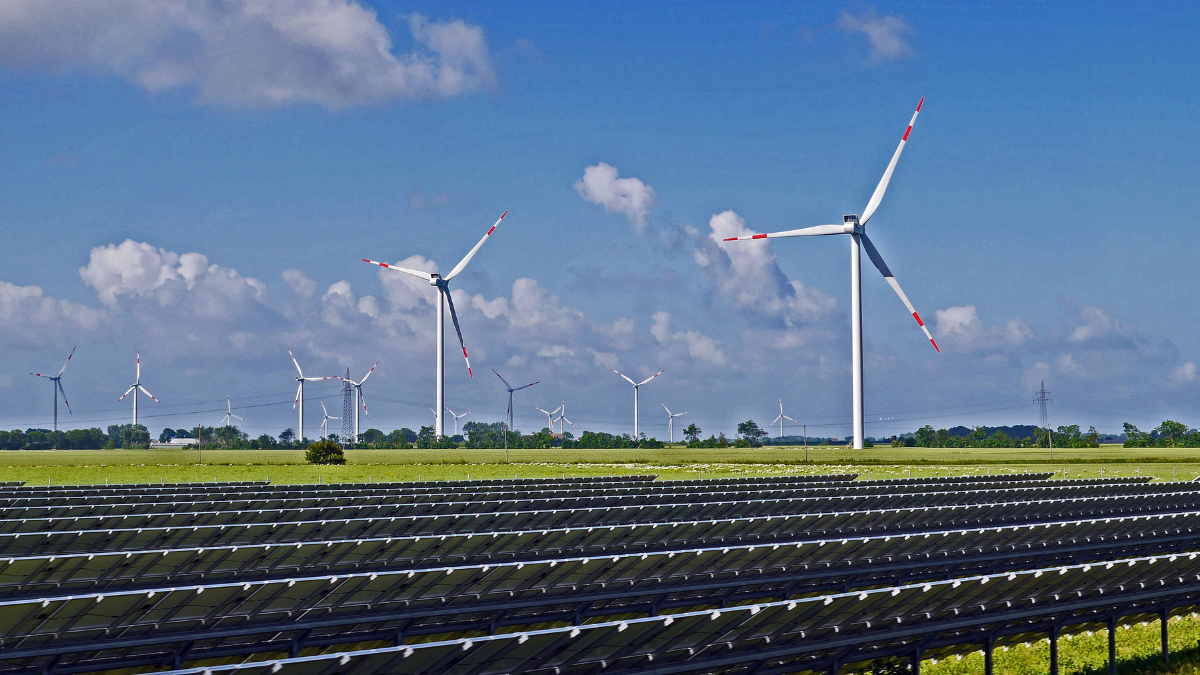
 Representational image. Credit: Canva
A new report by the International Energy Agency (IEA) emphasizes that the development of Ireland’s electricity system will be central to achieving the country’s energy and economic goals. With several national policy priorities focused on securing reliable electricity supply, ensuring a robust and resilient power system will be key to supporting Ireland’s future growth. Ireland’s electricity demand is expected to rise significantly over the next decade.
The IEA report, titled Powering Ireland’s Energy Future: Approaches for a secure, renewables-led electricity system to 2035, examines how the country can build on recent progress in renewable energy integration while addressing emerging electricity security challenges to maintain system stability and affordability.

Ireland has become a global leader in renewable energy adoption, particularly in wind and solar power. In 2024, wind energy supplied roughly a third of the country’s electricity—four times the global average and second only to Denmark among nations with gigawatt-scale power systems. The report explores strategies for evolving Ireland’s electricity sector to meet growing demand and long-term climate objectives, while managing the challenges associated with a more variable power supply.
The report was launched during a meeting between Ireland’s Minister for Climate, Energy and the Environment, Darragh O’Brien, and IEA Executive Director Fatih Birol at the IEA headquarters in Paris, where they discussed Ireland’s power system outlook and future priorities. Fatih Birol highlighted Ireland’s success, stating that the country has demonstrated how an island-based power system can integrate very high shares of variable electricity generation while maintaining energy security. He added that as electricity demand grows in the coming decade, coordinated planning, timely investment, and continued innovation in power grids will be essential for advancing electrification, ensuring affordability, and achieving emissions reduction targets.
Minister Darragh O’Brien said the report provides timely and important policy recommendations not only for Ireland but for other countries accelerating their green energy transitions. He noted that energy security is a global challenge requiring international cooperation and expressed his appreciation for the IEA’s analysis and contribution to the report. He emphasized Ireland’s commitment to supporting the development of secure, sustainable, and affordable energy systems for future generations.
The IEA report outlines how Ireland’s electricity supply could expand to meet rising demand driven by the electrification of heating and transport, as well as growth in housing and digital infrastructure such as data centres. It highlights the complex challenge of meeting increasing electricity demand while reducing emissions and maintaining a secure, reliable power supply.
According to the report, electrifying heat and transport could reduce Ireland’s annual fuel import bill by nearly €3 billion. Realizing these benefits will require addressing upfront costs and ensuring that electricity pricing, tariffs, and system design encourage efficient electrification while aligning new demand with renewable generation. A continued focus on electricity security will also be crucial.
The report underscores the importance of grid infrastructure and system operations, noting that timely investment and increased system flexibility will be vital to achieving Ireland’s energy and climate objectives. At the same time, it emphasizes that Ireland’s experience provides valuable lessons for other countries seeking to balance rising electricity demand with increasing shares of variable renewable energy.
Related
Discover more from SolarQuarter
Subscribe to get the latest posts sent to your email.