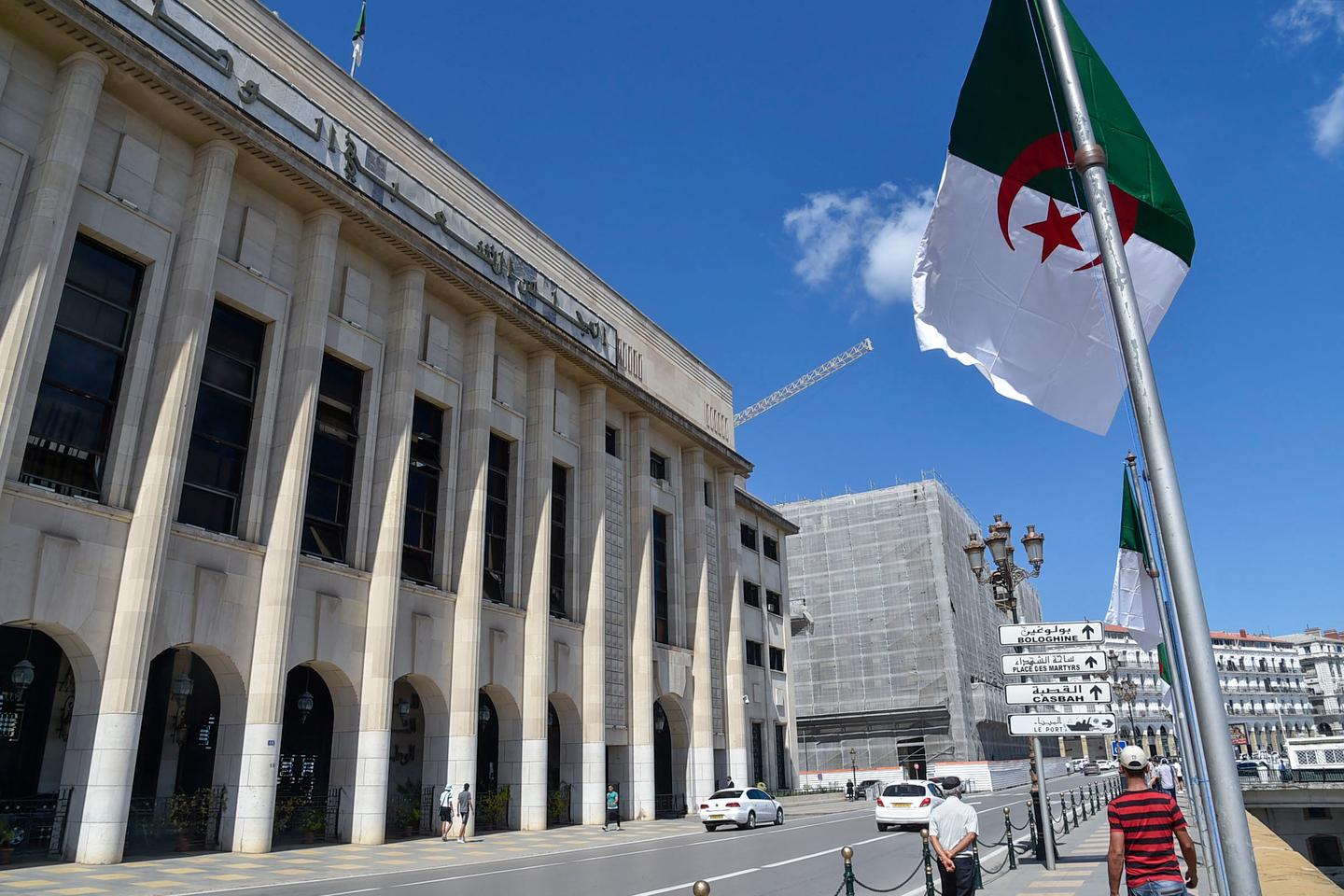
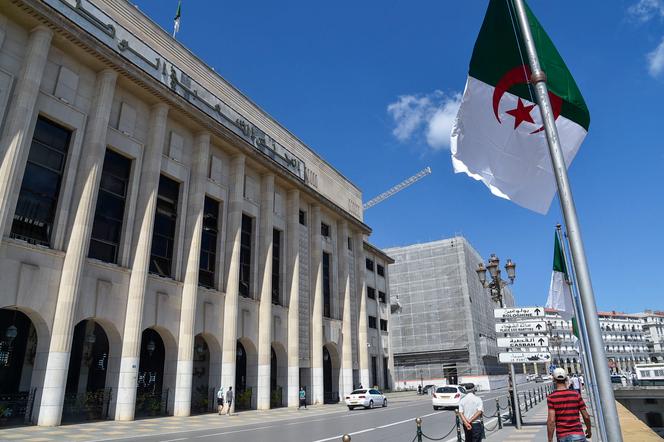
 Algerians march in front of the People’s National Assembly building in Algiers on September 10, 2020. RYAD KRAMDI / AFP
 The diplomatic standoff between Algeria and France has reached a new level. On Wednesday, December 24, the lower house of the Algerian parliament in Algiers passed a bill demanding “full reparations” and “formal apologies” from France for “crimes” committed during its colonial rule in Algeria. Entitled “to criminalize French colonization in Algeria,” this parliamentary initiative was approved by the government, which had previously shelved similar projects on several occasions.
The “green light” given by President Abdelmadjid Tebboune speaks volumes about the lingering – and even growing – hostility between the two governments. The crisis began in July 2024 over Western Sahara, after Emmanuel Macron acknowledged its “Moroccan status,” and then escalated over various disputes, notably on migration. The rift has dragged on and is now the most serious since Algeria gained independence in 1962.
Never before had the authorities in Algiers officially demanded such “apologies” or “reparations.” In a July 2020 interview with France 24, President Tebboune, pressed by a persistent journalist, eventually conceded that he “would like” such apologies, but the comment was made reluctantly and never took the form of a formal demand.
You have 83.23% of this article left to read. The rest is for subscribers only.