A new research initiative aims to safeguard Malta’s honey bees and support beekeepers in the face of climate change.
The BeeSustain project, run by the university’s Biodiversity and Ecology Research Group (BERG), is combining scientific research with new technology to better understand the pressures facing pollinators and develop practical solutions to protect bee populations across the islands.
Honey bees and other pollinators, such as butterflies and solitary bees, are essential to our food supply. Most fruits and crops need these insects to move pollen from flower to flower so plants can grow and produce food. However, climate change is making this process harder. Hotter temperatures, longer droughts and less rain mean that flowers bloom earlier and produce less nectar and pollen, which bees need to survive.
BeeSustain is creating a new system to make beekeeping more efficient and sustainable. Researchers are using modern tools such as DNA tests to identify the types of pollen bees collect, studies of bacteria in bees’ stomachs to understand their health, drone images to map the land and weather data to see how climate affects honey production. By combining this information, the team hopes to find the best places to put beehives and the best conditions for making honey.
The project also focuses on protecting the Maltese honey bee, known as Apis mellifera ruttneri. This bee is unique to the Maltese islands and is better adapted to the local climate than imported bees. Earlier research showed that Maltese honey bees survive better and are less affected by pests such as the Varroa mite, which often kills bee colonies.
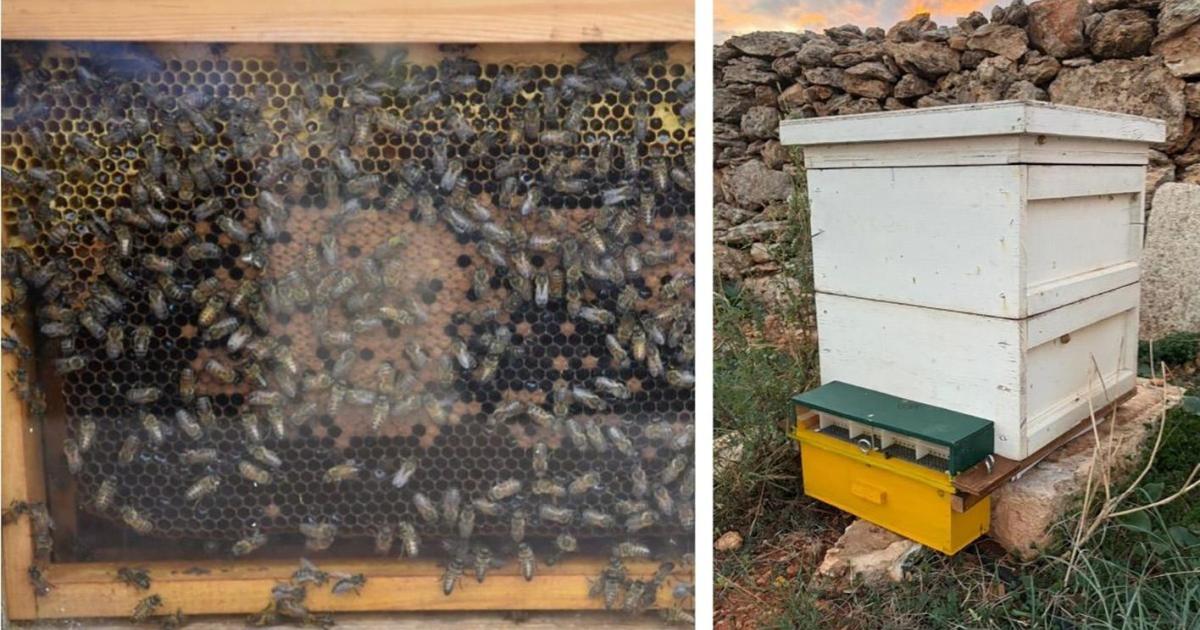
The research is based at an apiary in Manikata. There, scientists collect pollen from the hives every two weeks using special pollen traps that do not harm the bees. They also study local plants and flowers to understand what the bees are eating.
Drones are used to take images of the land so that researchers can find areas with the most natural plants for bees to forage.
A weather station near the hives records temperature and rainfall, helping the team understand how weather affects bee health and honey production.
The project also includes a citizen science programme, where members of the public help record flowering plants and bee activity.
By the end of the project, BeeSustain plans to create a simple decision-making tool for beekeepers. This tool will help them choose the best places for their hives, prepare for problems caused by weather and climate change and improve honey production while keeping bees healthy.
Project leader Prof. David Mifsud said Malta has experienced longer dry periods and less rain over the past 15 years.
When there is less rain, flowers produce less nectar and bees struggle to find enough food. He added that even though he now has twice as many bees than he did 20 years ago, they are still producing less honey. Rising temperatures and increased construction also leave bees with fewer places to find flowers.
Mifsud stressed that the Maltese honey bee is a “unique organism” and is well-adapted to local conditions.