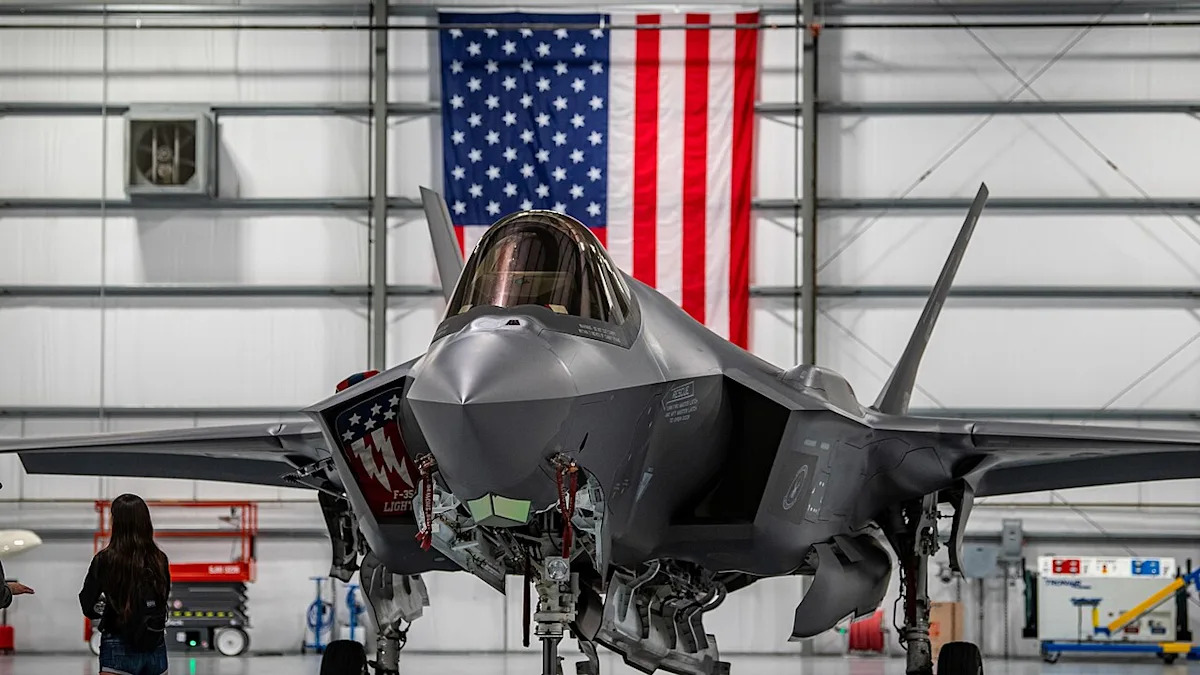
Finland has publicly introduced the first of a planned fleet of 64 F-35A Lightning II stealth fighters, marking the start of a major military modernization that will place fifth-generation combat aircraft along NATO’s extended northern flank. The rollout event took place at Lockheed Martin’s production facility in Fort Worth, Texas on December 16, and was attended by senior Finnish and United States officials.
According to Air Data News, the aircraft that debuted there represents the beginning of Helsinki’s replacement of its aging F/A-18C/D Hornet fighters with a new, highly capable air combat fleet.
This procurement represents the largest defense acquisition in Finnish history, valued at roughly 8.3 to 8.4 billion euros. Finnish pilots and maintenance crews will initially train in the United States before the first jets are flown to Finland in early 2026. Deliveries will continue in phases through the late 2020s.
Once fully operational, the fleet will be based primarily at airfields in northern and eastern Finland, including the Lapland Air Wing at Rovaniemi and the Karelia Air Wing at Rissala. These bases lie within a few hundred miles of the Russian border, giving NATO a persistent fifth-generation air combat presence directly adjacent to Russian territory.
The Finnish decision comes against the backdrop of Russia’s full-scale invasion of Ukraine and a broader reassessment of European security. Helsinki joined NATO in 2023, extending the alliance’s border with Russia by more than 800 miles (1,300 kilometers). The F-35A’s advanced sensor suite, low observable features, and networked warfare capabilities are seen by Finnish planners as vital for maintaining air superiority and early warning across a sparsely populated, forested and climatically harsh frontier.
Why This Matters Strategically
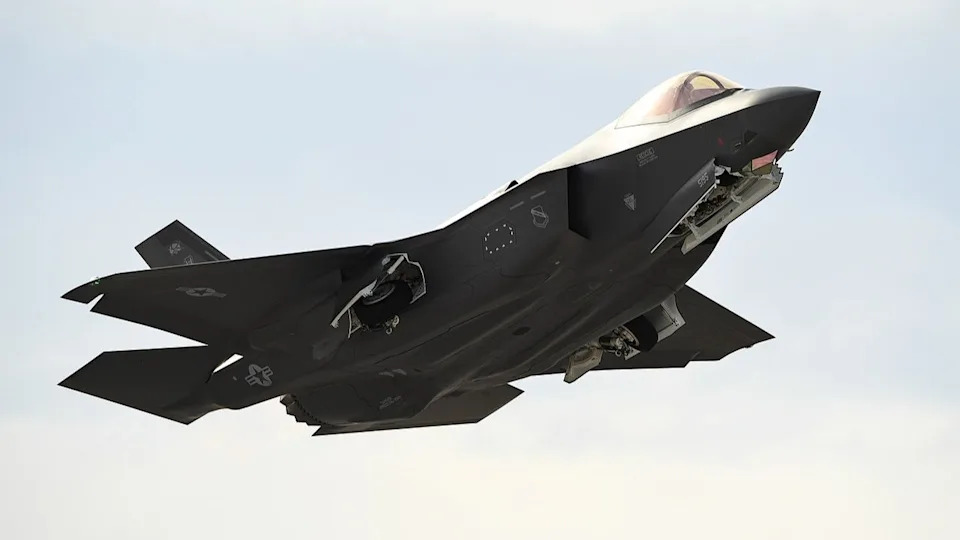
Image Credit: Ronald Nial Bradshaw – Public Domain, Wikimedia.
The presence of F-35A aircraft in Finland will change the airpower balance along the alliance’s northeastern flank. Fifth-generation fighters like the F-35A combine stealth characteristics with highly advanced avionics, sensor fusion and datalink capabilities.
This enables superior situational awareness and survivability compared with legacy fourth-generation fighters. NATO officials have stressed that this technology will integrate tightly with allied air defense networks, sharing real-time targeting and sensor information with allied AWACS, land radars and naval assets across the European theater.
For Moscow, seeing such capabilities stationed close to Russian airspace will reinforce perceptions of NATO’s sustained commitment to deterrence and collective defense. Russian military aircraft have frequently probed NATO borders and have been intercepted by alliance fighters on multiple occasions, underscoring the persistent tension along Europe’s northern and eastern approaches.
It is worth noting that this build-up of F-35 capability is not limited to Finland. NATO members such as the Netherlands have previously deployed F-35s to Poland for air policing missions, and allied multinational training and rotational deployments continue to emphasize interoperability and readiness across Europe.
Operational Implications
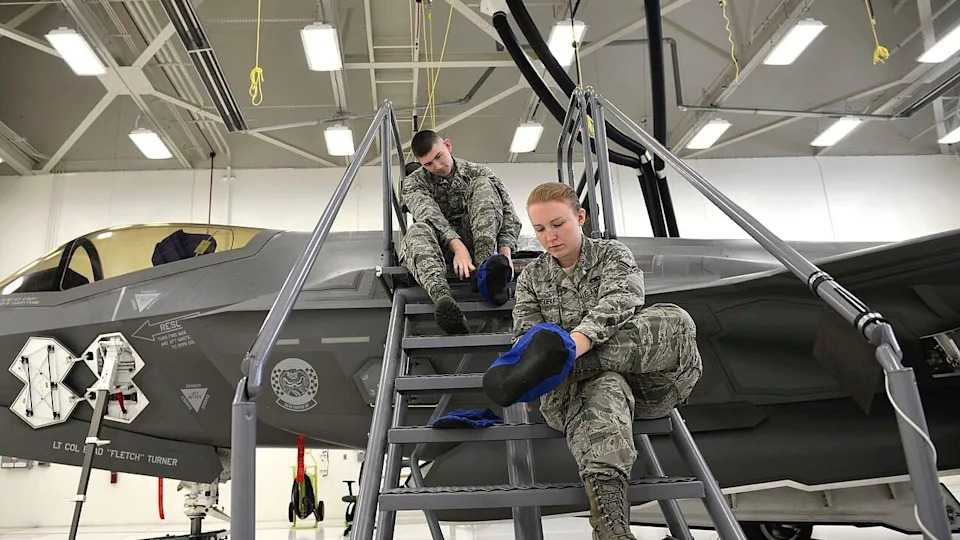
Image Credit: Airman 1st Class Andrea Posey – Public Domain, Wikimedia.
The Finnish F-35 fleet will enhance NATO’s deterrence posture through both defensive and deterrent effects. From a defensive perspective, the aircraft will provide Finland and NATO with improved airspace control, early detection of incursions and a more credible rapid reaction capability. From a deterrent standpoint, advanced fighters near the Arctic and Baltic approaches complicate planning for any adversary contemplating coercive coercion or conflict.
Finland’s choice also reflects a broader trend within NATO toward common platforms and shared logistics. The F-35 is already operated by a significant number of alliance members across Europe and North America, creating a de facto standardized fifth-generation fighter network from the High North to the Mediterranean. This reduces complexity in coalition operations and enhances the ability to mass and coordinate airpower when required.
In practice, this means that Finnish F-35s could operate in concert with allied units from the United States, Norway, Denmark, Poland and others during combined exercises or potential real-world contingencies. Such interoperability will also allow data to be shared seamlessly through secure datalinks, contributing to an integrated air picture and reducing the likelihood of miscalculation under stress.
Broader Regional Effects
The rollout of Finland’s first F-35A is emblematic of how European security dynamics have shifted since Russia’s invasion of Ukraine in 2022. Many NATO states have increased defense spending and accelerated procurement of advanced systems. The United States itself has deployed F-35s to other forward locations, including recent deployments to Puerto Rico and broader Caribbean operations. These demonstrate how these aircraft are being used to support regional stability and deterrence in multiple theaters beyond Europe.
This expanded use of F-35s underscores how fifth-generation airpower has become central to U.S. and allied defense strategies, not only as a platform for air superiority missions but also as an integrated node in modern, multi-domain operations.
Basing 64 advanced F-35A fighters in Finland marks one of the most significant NATO airpower enhancements near Russia in recent years. It reflects a deepened alliance commitment to collective defense, a strategic pivot toward high-end deterrence, and a broader pattern of upgrading allied air forces with cutting-edge technology.