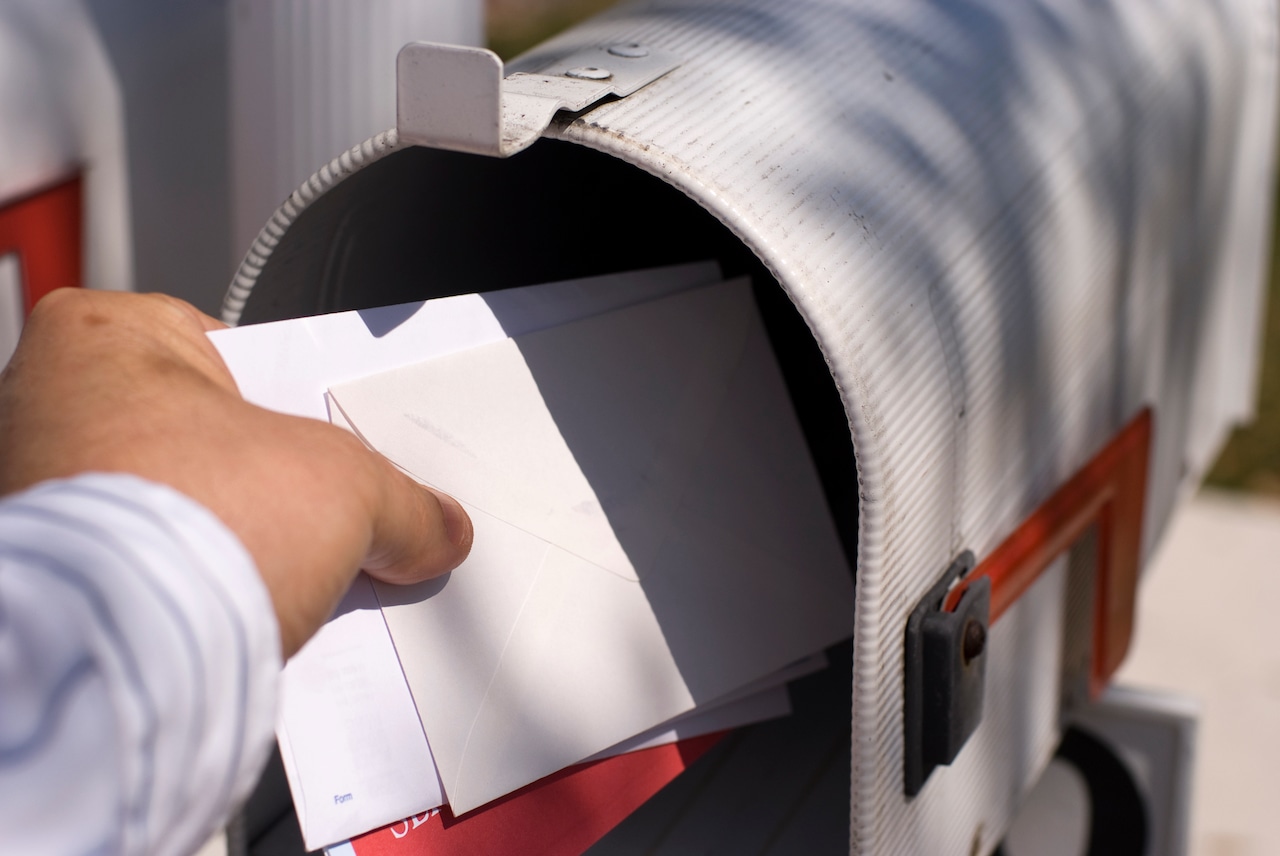
Denmark will deliver its final letters through its traditional postal service on Dec. 30, ending a system that has operated for more than four centuries, according to the Guardian.
PostNord, which oversees the country’s mail service, is discontinuing letter delivery after a steep drop in demand driven by Denmark’s shift to digital communication. The company said letter volume has fallen by more than 90% over the past 25 years, making the business financially unsustainable.
Formed in 2009 through a merger of the Danish and Swedish postal services, PostNord said Denmark’s status as one of the world’s most digitalized nations has accelerated the decline. The company plans to pivot toward parcel delivery fueled by online shopping, which continues to grow.
The transition will eliminate 1,500 jobs and remove 1,500 red postboxes from streets across Denmark, the Guardian reported. Kim Pedersen, deputy chief executive of PostNord Denmark, described the decision as difficult, saying the company was “tying the knot” on a significant part of its history. Letter delivery will continue in Sweden, and PostNord will accept unused Danish stamps for refunds for a limited period.
Beginning Jan. 1, delivery company Dao will assume responsibility for letter mail in Denmark. Customers will need to bring letters to Dao locations or pay extra for home pickup, with postage purchased online or through an app. Dao expects to process about 30 million letters in 2025 and roughly 80 million in 2026.
Danish law requires that a letter delivery option remain available, meaning the government would need to secure another provider if Dao exits the market. A transport ministry source told Newser that residents should see no “practical difference,” characterizing the change as largely “sentimental.”
Some experts disagree. Magnus Restofte, director of the Enigma postal museum in Copenhagen, said the end of traditional mail carries lasting consequences.
“It’s actually quite difficult to turn back [to physical post],” Restofte told the Guardian. “We can’t go back to what it was.”
The shift highlights Denmark’s reliance on digital systems. According to the Guardian, 97% of residents aged 15 and older are enrolled in MitID, the national digital identification platform used for most official communication, and only 5% have opted out of digital mail.
Despite the overall decline, younger Danes are bucking the trend. Dao’s research found that people ages 18 to 34 send two to three times as many letters as older age groups. Trend researcher Mads Arlien-Søborg said the behavior reflects a desire to counter “digital oversaturation,” making letter writing a deliberate choice.
Restofte said the scarcity of physical mail has only increased its value.
“The funny thing is that actually receiving a physical letter, the value of that is extremely high,” he said. “People know if you write a physical letter and write by hand you have spent time and also spent money.”