NGOs in the Crosshairs: Save the Children’s Alarm
Inside the crisis, Save the Children is calling on the government of Israel to urgently reconsider the new registration rules for international NGOs because they could jeopardise the provision of life-saving humanitarian assistance to children and their families in Gaza. The organisation says it is among those denied renewal of its registration to continue providing aid from 1 January 2026: without it, neither international technical personnel (health, water and sanitation) nor essential goods would be allowed to enter through Israeli-controlled borders into Gaza or the West Bank. Save the Children says it will continue to operate with 300 Palestinian workers and local partners, being registered with the Palestinian Authority, and that by 2025 it reached 1.9 million people with programmes supported by UN agencies and nearly 30 donors.
The catastrophe described by the organisation
The note speaks of an ‘unprecedented’ emergency: for more than two years, 1.1 million children in Gaza have been living in a humanitarian catastrophe; more than 20,000 children have reportedly been killed and thousands are missing. Nearly two million people are reportedly displaced in makeshift shelters and tents, with winter aggravating everything: torrential rains and flooding have destroyed tents and forced families to stand in sewage-contaminated water, increasing the risk of disease; cases of children and infants dying of hypothermia in recent weeks are also cited. Save the Children emphasises that NGOs contribute a total of about USD 1 billion in aid each year and that they run or support a large number of field hospitals, primary health care, emergency shelter, water and sanitation, nutrition centres and ordnance clearance. Ahmad Alhendawi, regional director for the Middle East, North Africa and Eastern Europe, warns that the new regulations would have a serious impact, especially in winter, and reiterates that the organisation will continue to serve Palestinian children. Save the Children also reports operational figures: since 2023, it has supported 1.6 million people in Gaza (812,000 children) and 118,000 in the West Bank (62,000 children); between October and December, it delivered 23,287 life-saving kits, including 960 baby kits, 4,100 hygiene kits and 6,000 feminine hygiene kits, as well as six pallets of medical supplies, and says it also purchases goods locally in Gaza. The organisation says it has taken legal action against the denial and calls on the international community to intervene.
Skyline di Gaza devastato, le immagini mostrano distruzione nella Striscia
Netanyahu and the 110 billion for the arms industry
Netanyahu announces that Israel will spend 350 billion shekels – $110 billion – over ten years to build“an independent arms industry”. The premier speaks at a ceremony at an air base in the south of the country and claims the will to reduce dependence ‘even on our friends’. The context is that of wars on several fronts over the past two years and a country that, despite being the main recipient of US military aid and also supplying Europe, faces restrictions from partners on arms supplies due to the devastating war in Gaza.
Christmas in Gaza
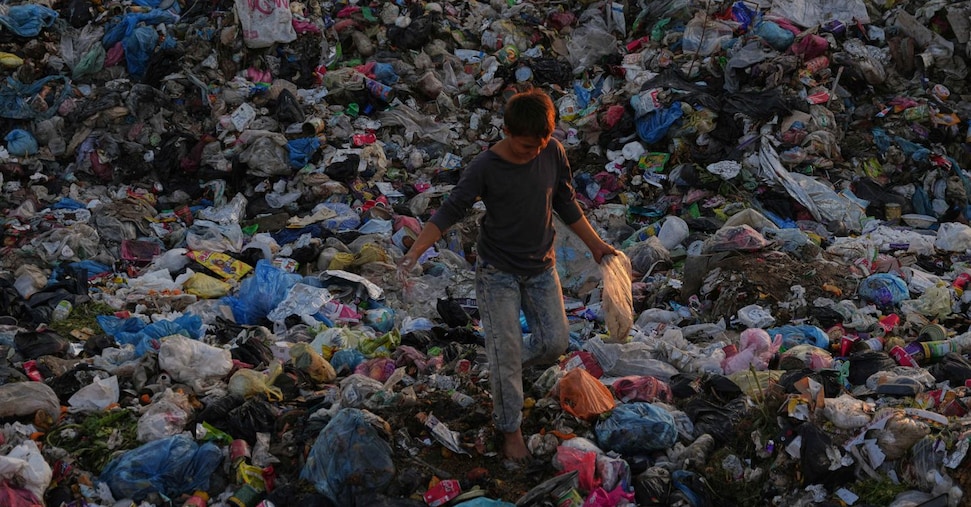
In the Strip, Father Gabriel Romanelli, parish priest of the Church of the Holy Family in Gaza, describes to the Vatican media a Christmas “as difficult as it has ever been”, which is reminiscent of that of two thousand years ago. He recounts that “you can still hear the explosions, the earth is shaking”, although he perceives “more serenity in the people” and speaks of the anxiety of a population without electricity, living with generators “burning everything” and with few solar panels. He says that “most people, more than two million”, live in tents and that Gaza City is “full of rubbish everywhere”. He also recalls a written message from Leo XIV: always pray for them and thank them for what they do.
Bethlehem, the square fills up again but tourism remains a ghost
In Bethlehem, thousands of people pour into Manger Square with families, music and decorations: after two years of gloomy celebrations marked by war, the big Christmas tree is back and hundreds of scouts parade with bagpipes. Cardinal Pierbattista Pizzaballa leads the traditional procession from Jerusalem to Bethlehem and invokes “a Christmas full of light”: “After two years of darkness, we need light”. Arriving in the square, he brings the greetings of the small Christian community of Gaza, where he had celebrated a pre-Christmas Mass, and says that amidst the devastation, he also saw a desire for life and reconstruction. But the local economy remains crushed: according to the local government, some 80% of residents depend on tourism, and Mayor Maher Nicola Canawati indicates thatunemployment has risen from 14% to 65% during the war; some 4,000 people have reportedly left the city in search of work. The majority of those present are residents, with few foreigners, and there is still fear of travelling.