Civilians have been threatened by both the military government, which called the elections, and armed groups opposing the current regime, according to the UN’s Human Rights Office.
By Pierfrancesco Loreto
Myanmar is experiencing a new wave of violence and repression ahead of highly controversial elections scheduled for Sunday, December 28.
Several people have been arrested under an “election protection law” solely for exercising their freedom of expression.
“The military authorities in Myanmar must stop using brutal violence to compel people to vote, and stop arresting people for expressing any dissenting views,” UN Human Rights Chief Volker Türk said.
Some of them have been handed heavy sentences of up to 49 years in jail for hanging up posters critical of the elections.
Displaced people in different areas of the country have been told they would be bombed or their homes seized if they do not go to the polls.
It comes as civilians are also dealing with threats from anti-regime militants who are boycotting the vote.
“These elections are clearly taking place in an environment of violence and repression. There are no conditions for the exercise of the rights of freedom of expression, association or peaceful assembly,” Turk added.
The 2021 coup
After taking over the country in a coup in early 2021, shortly after the last elections, the junta is trying to legitimize its rule through a strongly contested vote.
Nearly five years ago, they ousted former leader and Nobel Peace Prize laureate Aung San Suu Kyi and her elected civilian government, sparking a civil war.
She is currently detained following a disputable 27-year-old sentence, and her party remains dissolved.
Since coming to office, the junta has been globally criticized for imposing a brutal regime targeting Myanmar citizens arbitrarily.
The military has killed at least 7,000 people since the coup, but the actual death toll is considered to be much higher.
The humanitarian emergency
Over the past few years, Myanmar has been consumed by widespread hostilities, several calamities and a deteriorating economy.
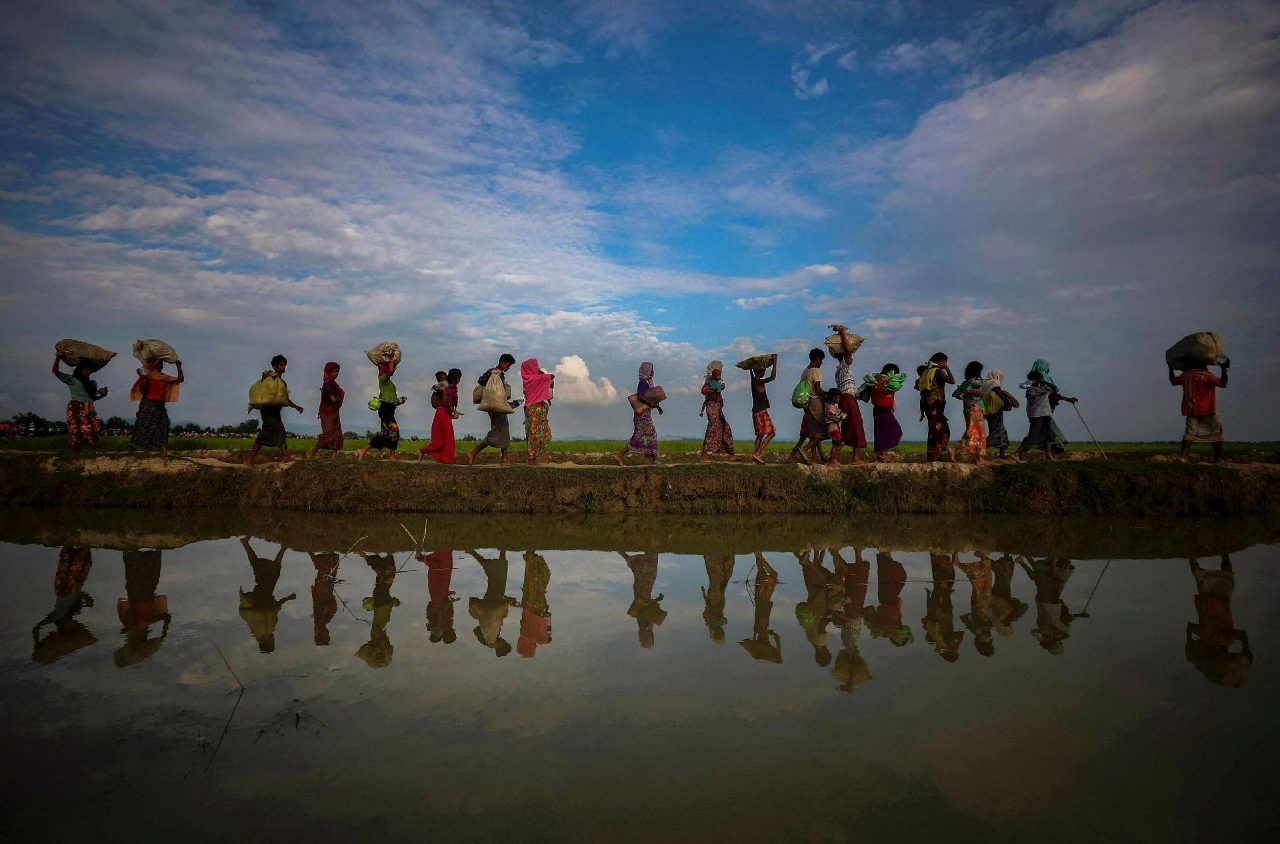
The civil war and natural disasters, such as a devastating earthquake and catastrophic monsoon inundations, have forced an estimated 3.6 million people to leave the country, with the figure likely to reach four million next year.
The UN World Food Programme (WFP) has pointed out that more than 12 million Myanmar citizens will suffer from hunger in 2026, with around one million predicted to require urgent help.
Over 400,000 young children and mothers are already experiencing malnutrition, relying on inadequate diets.