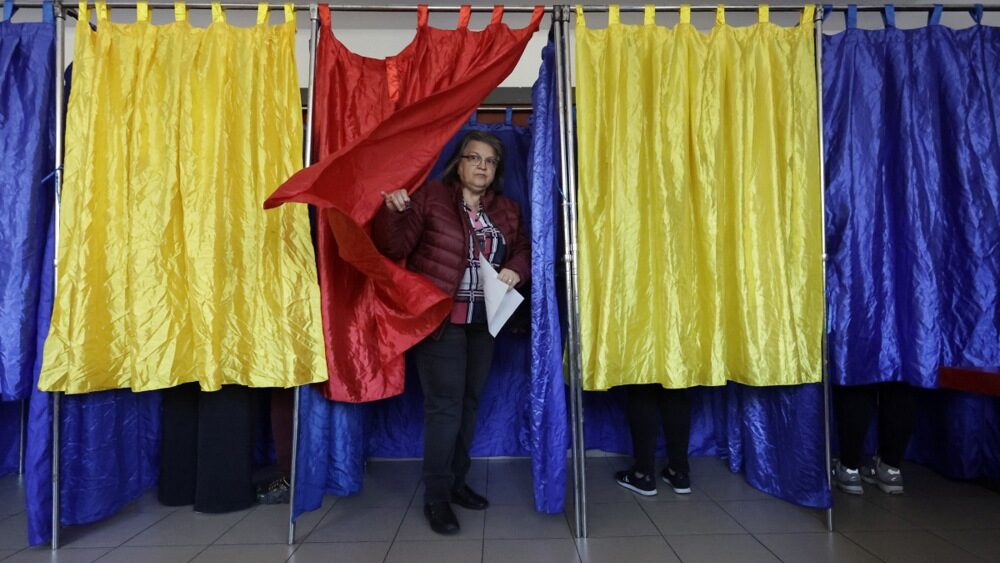
Last week, the joint Defence Committees of Romania’s parliament examined the 2024 activity report of the Supreme National Defence Council, CSAT, the body which coordinates national security.
The 68-page document surveys a broad spectrum of security risks, from the possible escalation of Russian aggression to terrorism, cyberattacks and other pressing threats. Yet, it was not these issues that captured public attention. Instead, the few brief passages referring to the annulment of the presidential elections in December 2024 dominated headlines and public debate.
Few events inflict deeper damage on a democracy than the cancellation of an election. One year later, Romanians have received no precise explanation from state institutions about what went wrong, or, crucially, about the safeguards needed to ensure it never happens again.
Instead of clarity, the public has been offered fragments of information, procedural justifications and repeated postponements. In the absence of transparency, speculation has flourished. The issue has become a fault line in Romanian society, deepening mistrust and polarisation, while confidence in institutions continues to erode.