Gozo has, since recorded times, been deemed to be more fertile than Malta, its soil more generous and its produce more attractive.
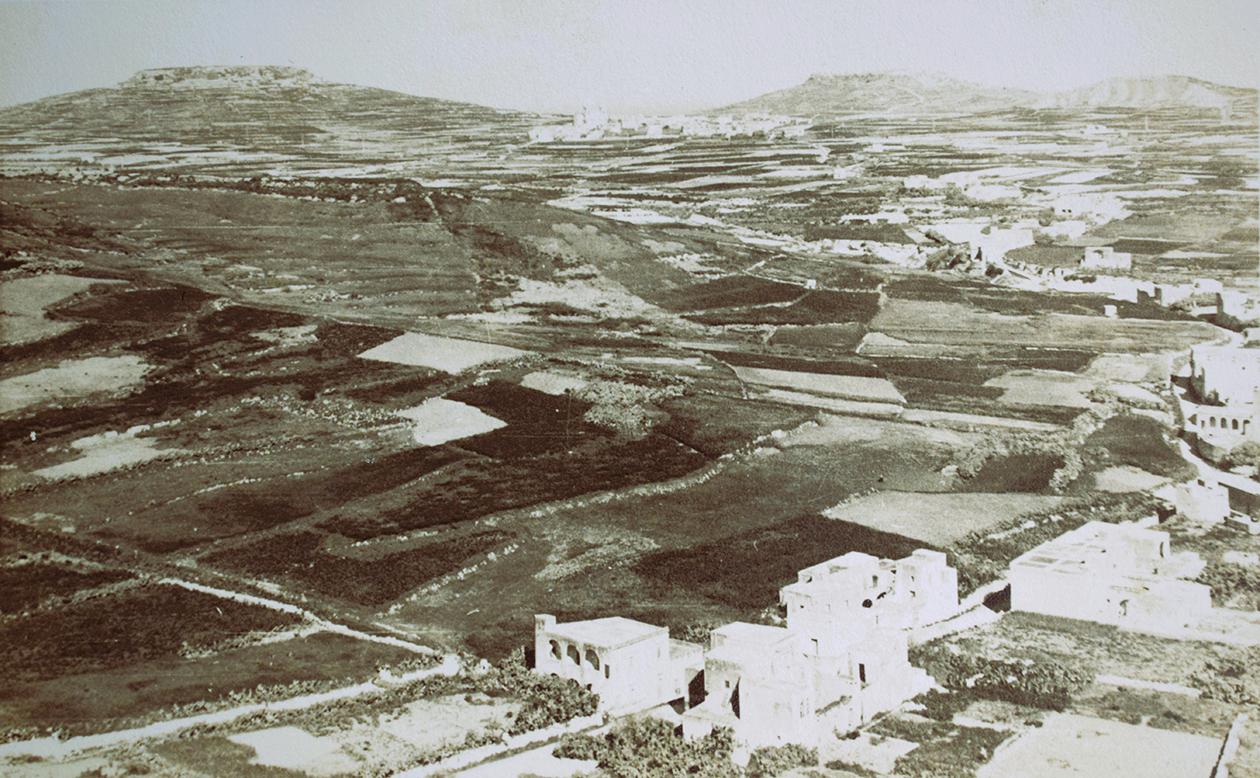 When Gozo was still mostly green.
On several occasions, when the food situation in Malta had reached dire levels, the small David came to the rescue of Goliath. The insufficiency of native foodstuffs, barely enough to cover a fraction of the island’s needs has, from time immemorial, bedevilled those responsible for the survival of the population. Gozo reassured Malta of a fallback position.
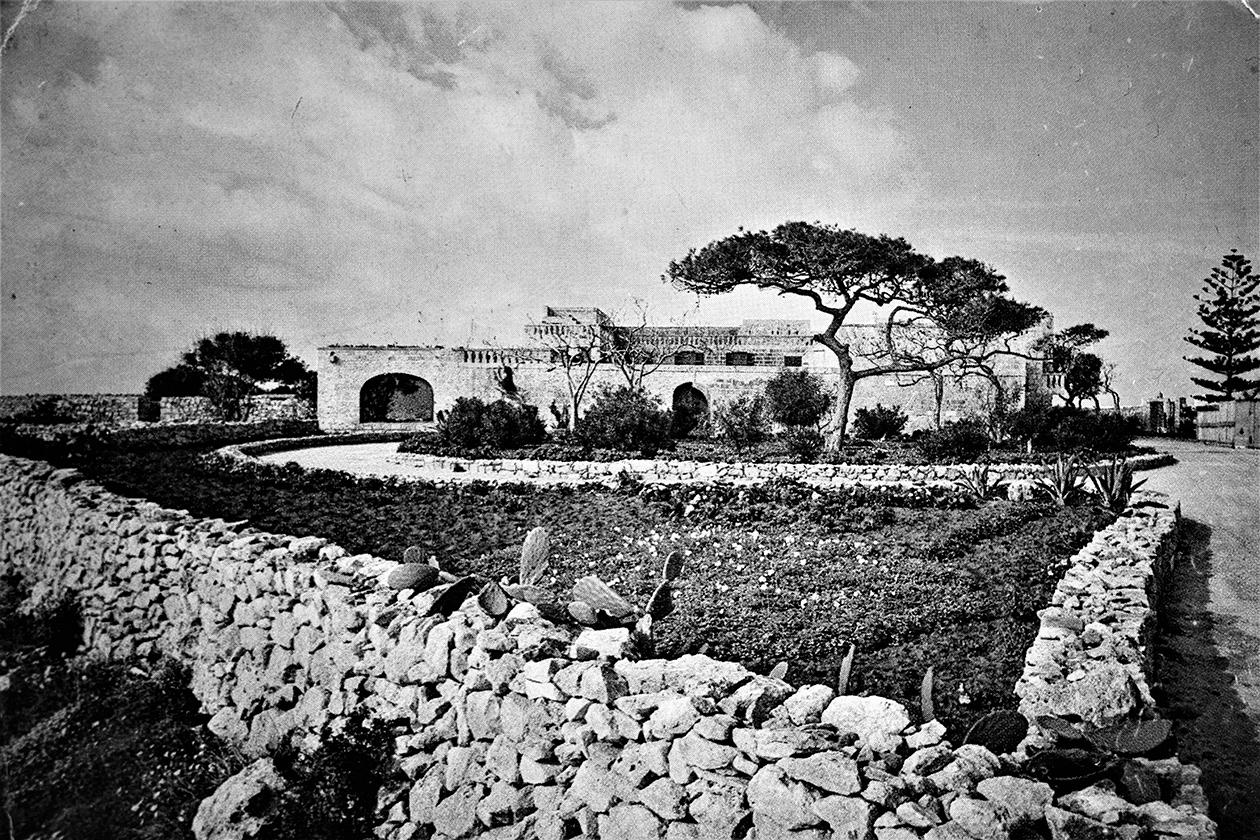
Agricultural land near Ta’ Ċenċ
Aesthetically, climatic condition and the contours of the island leave an impression of an island greener than Malta.
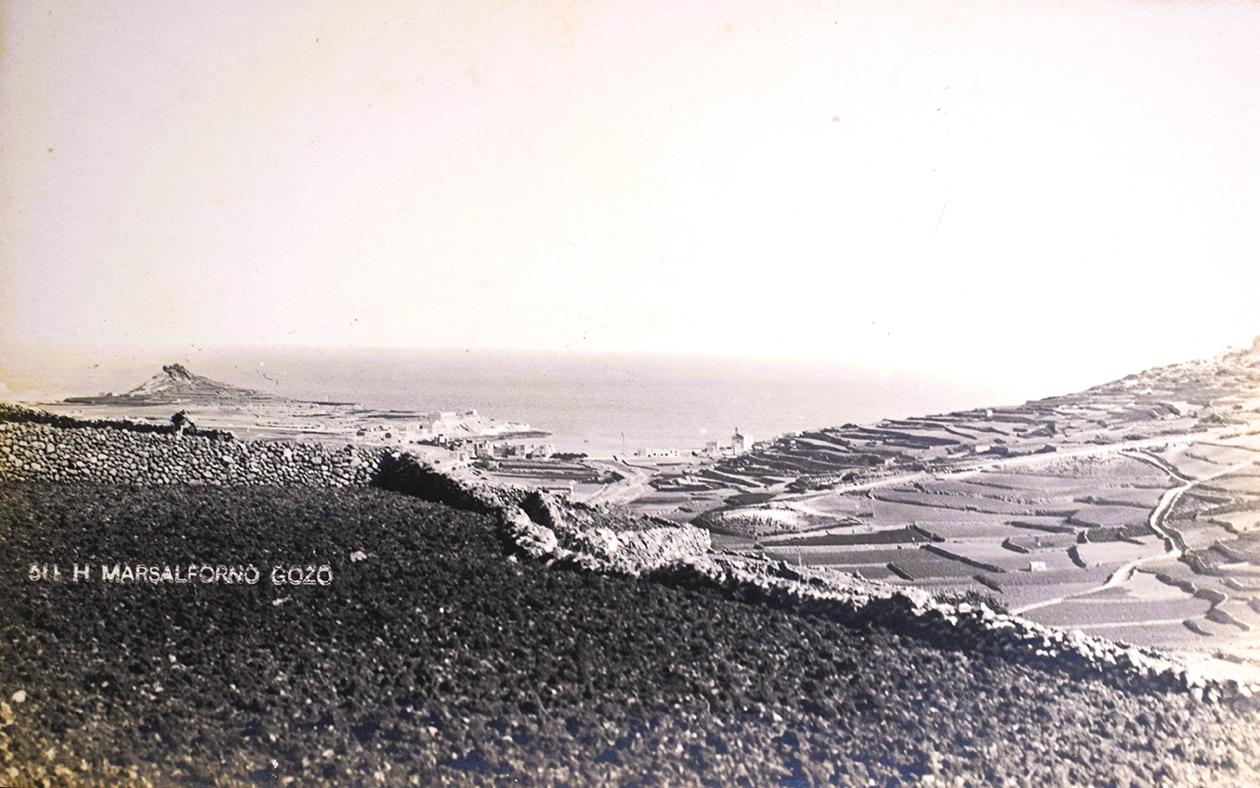 Marsalforn, when still agricultural
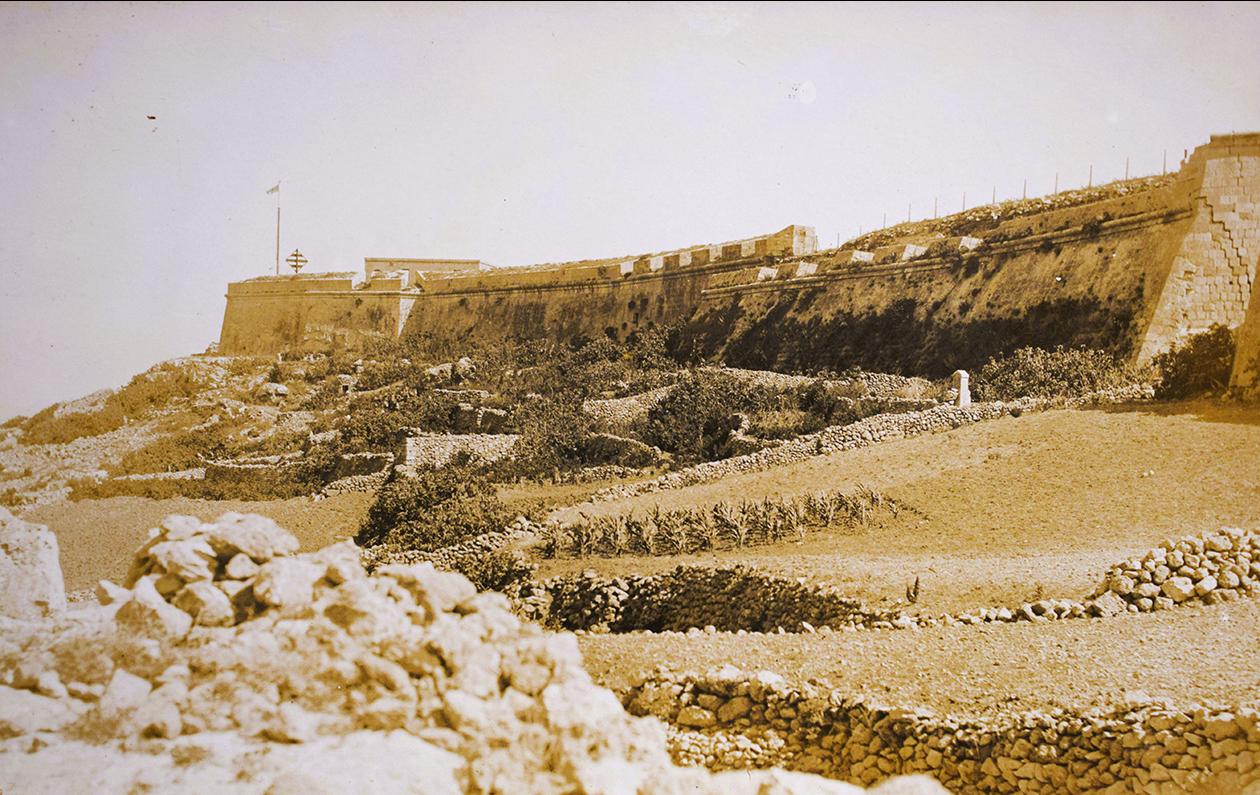 The fields below Fort Chambray
The hot, dry season desertifies rural Malta to a larger extent than it does rural Gozo.
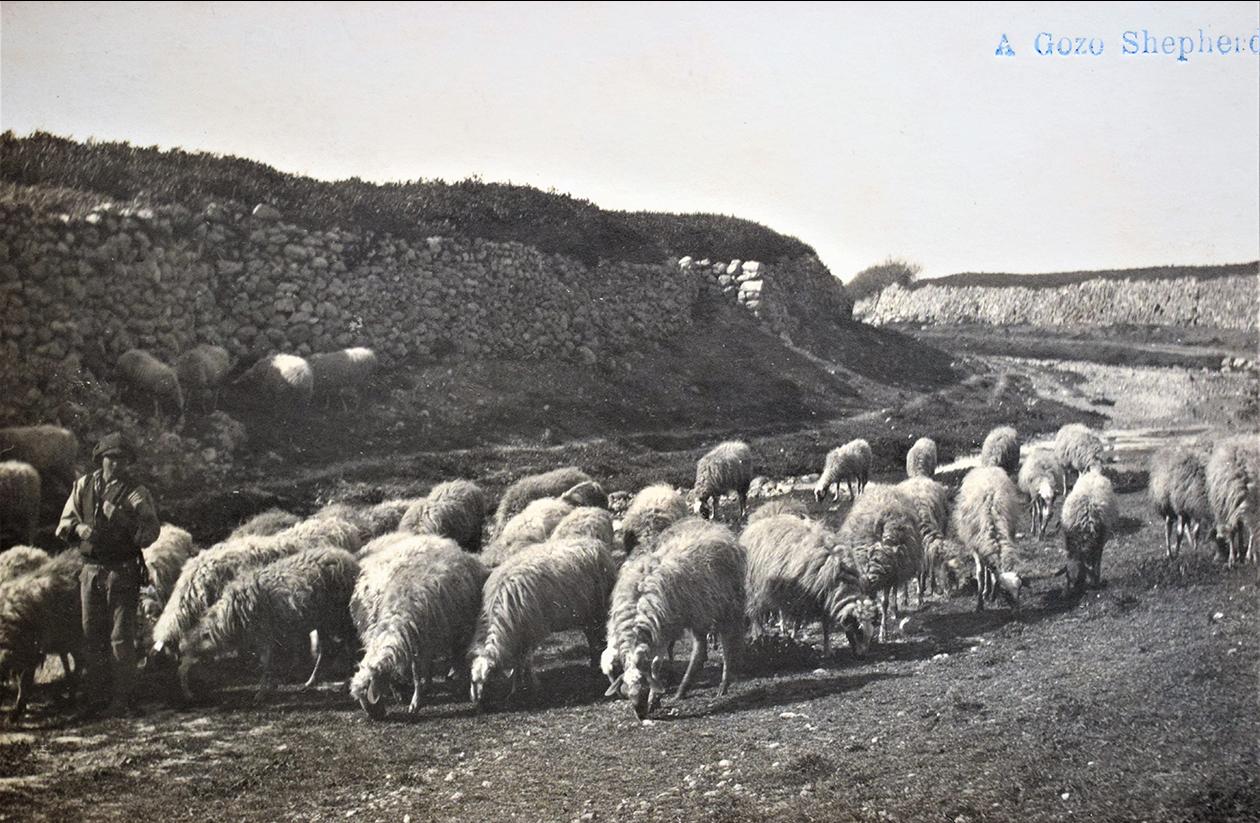 Herds grazing, postcard by Mikiel Farrugia, including himself in the image.
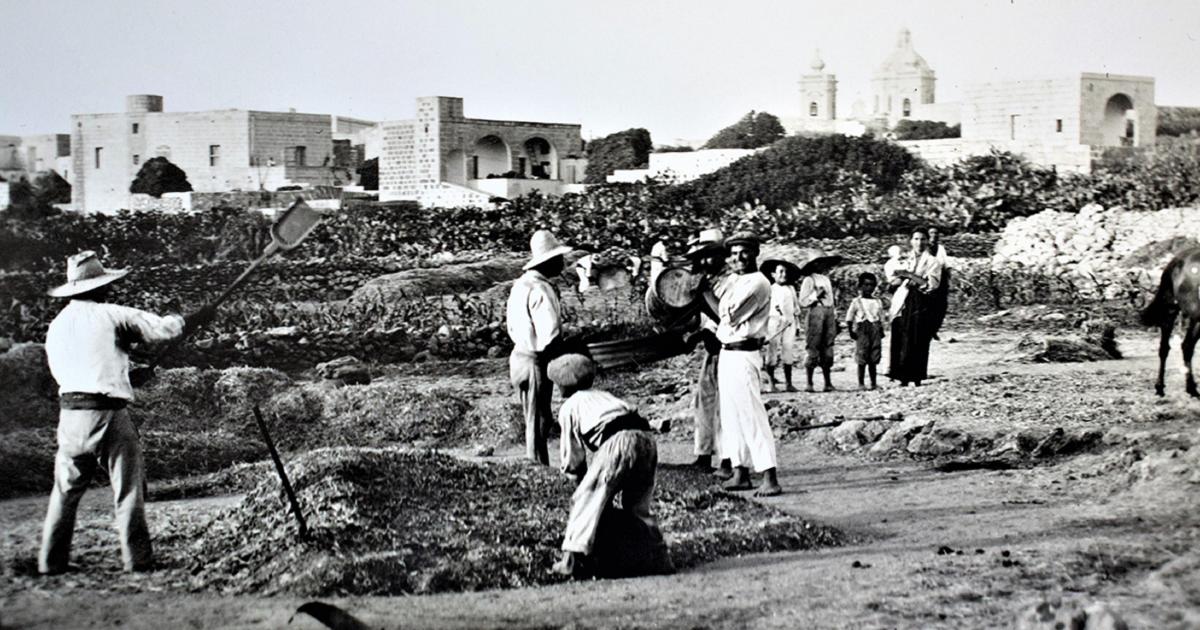
A number of early camera artists issued postcards of rural Gozo, its agriculture and workers of the land. Differently from Malta, where many of the cards remain unsigned, with their photographer difficult to identify, one person dominated the Gozo postcard scene: Mikiel Farrrugia, better known as il-Badiku, to whom I dedicated an entire volume.
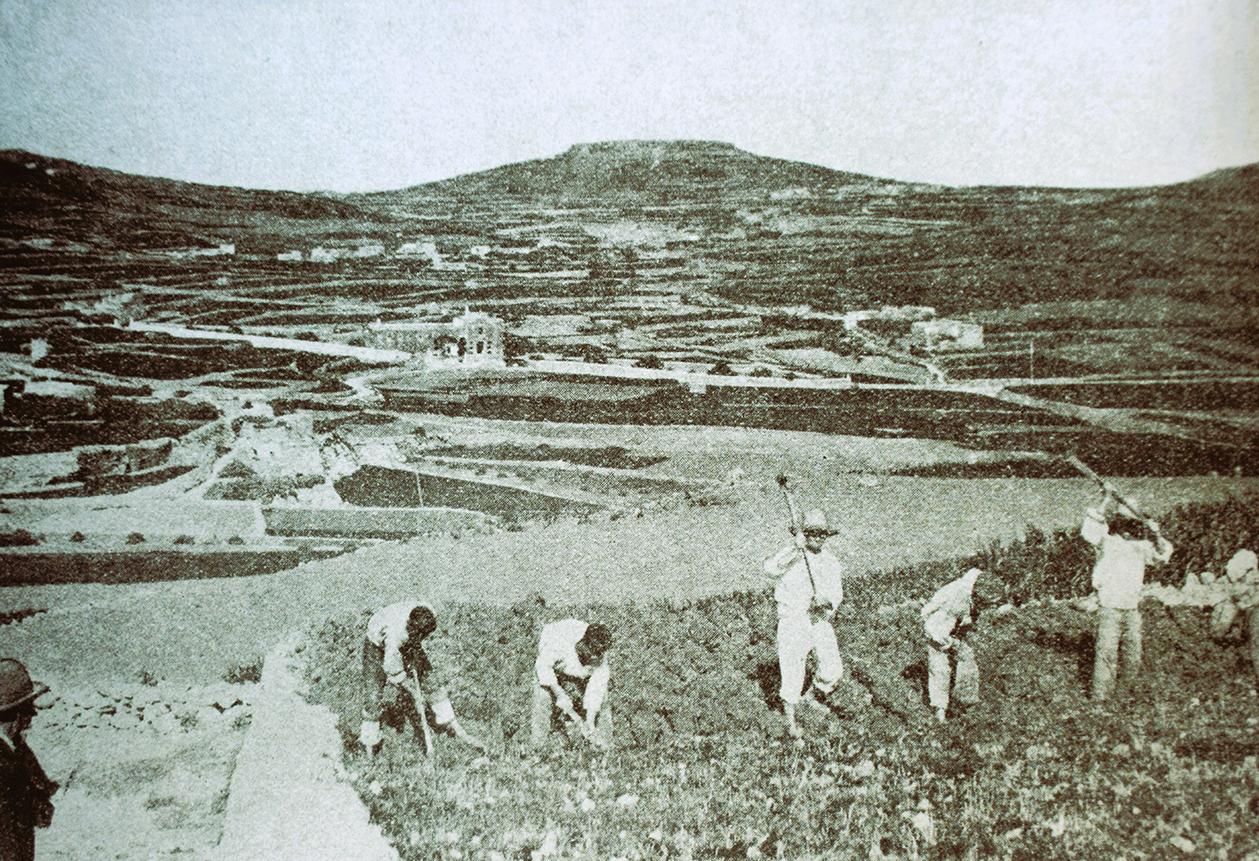 A Mikiel Farrugia postcard of Gozo farmers at work.
Farrugia had a long, prolific and successful career spanning the 1910s to the 1930s and an endearing penchant: that of occasionally including himself in the image. Though he carried out his business under the brand name Photos Amateur, most of his production reaches high standards.
Farrugia had an endearing penchant of occasionally including himself in the image
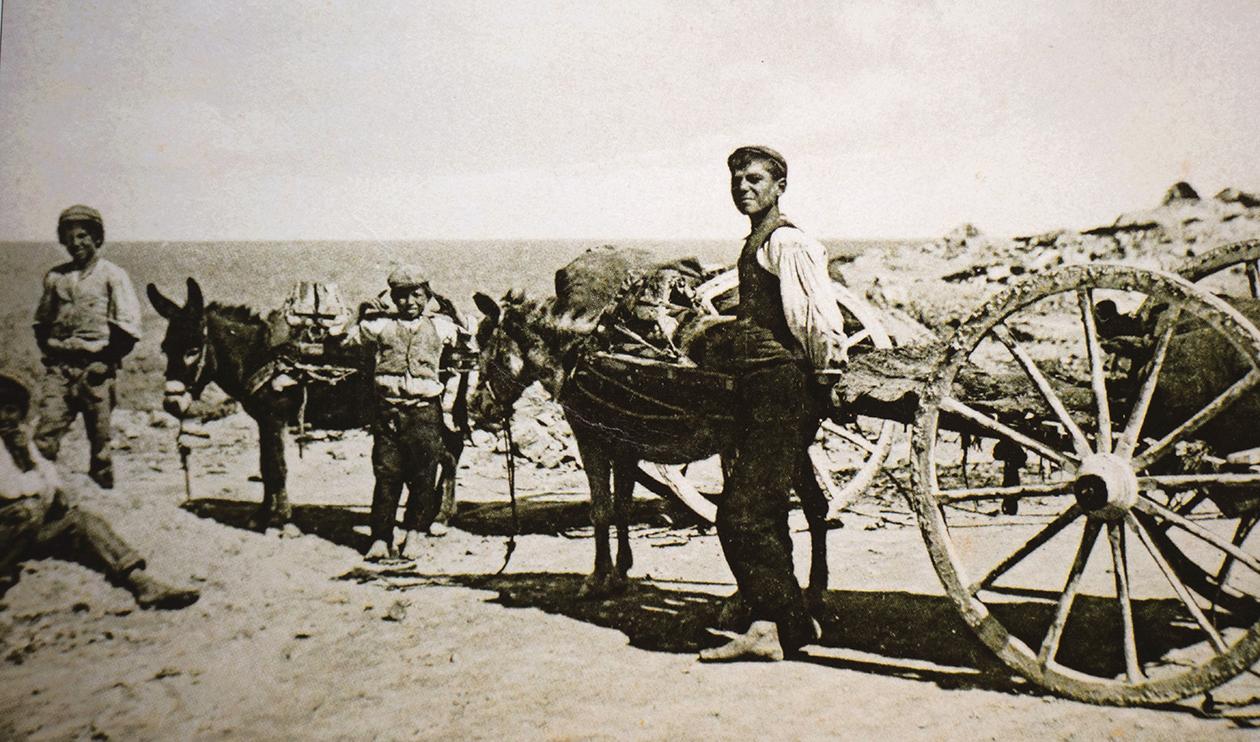 Postcards of two donkey carts used in agriculture.
Other early Gozo photographers also preserve the island’s visual memory.
Viewers will note the complete absence of mechanised aids to agriculture.
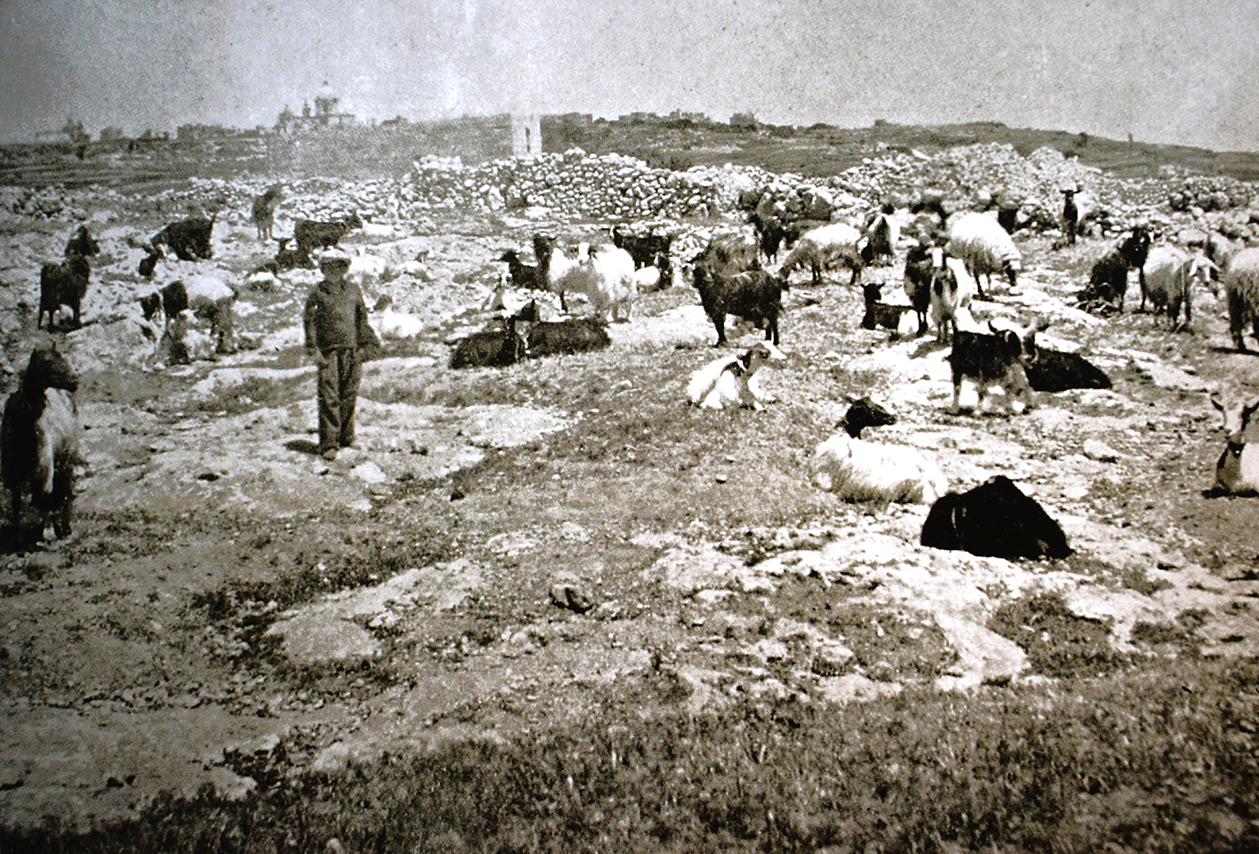 Gozo farmers with their herds
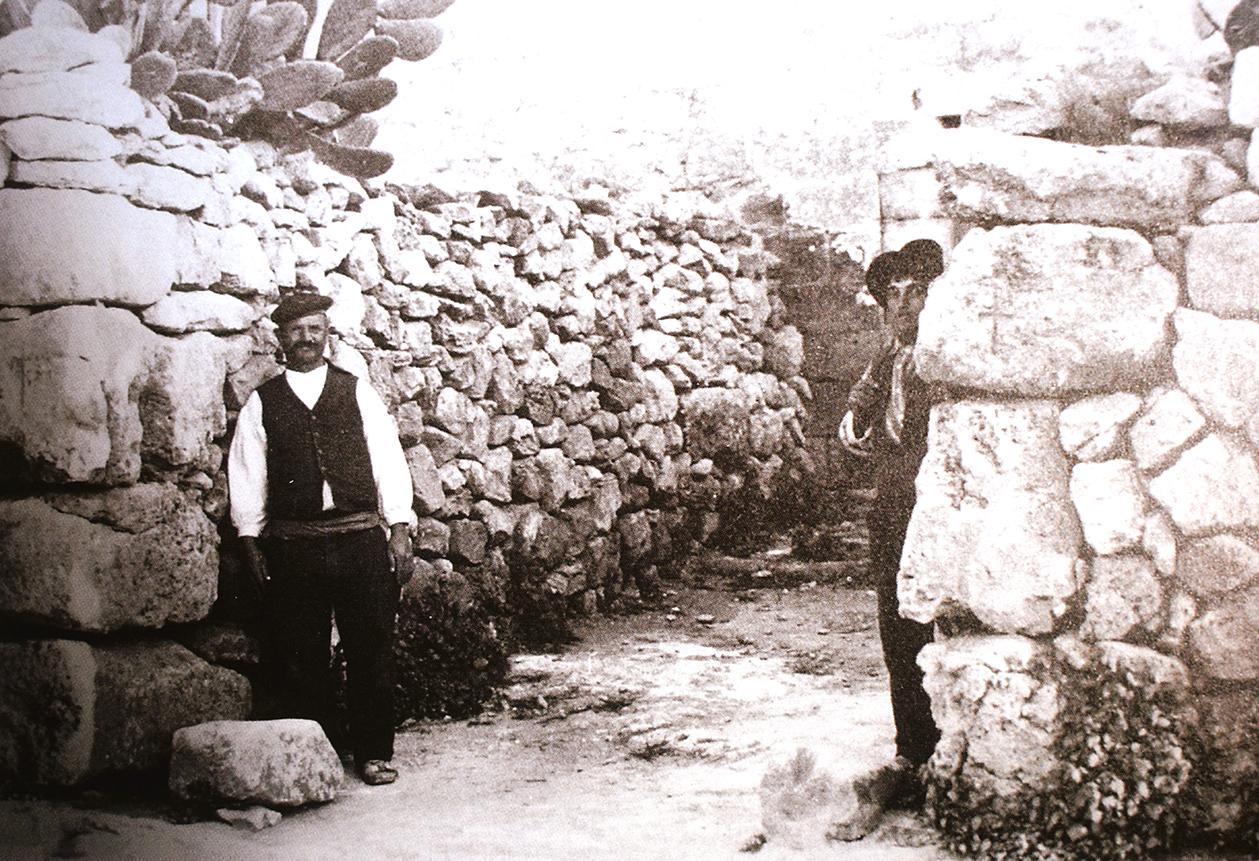
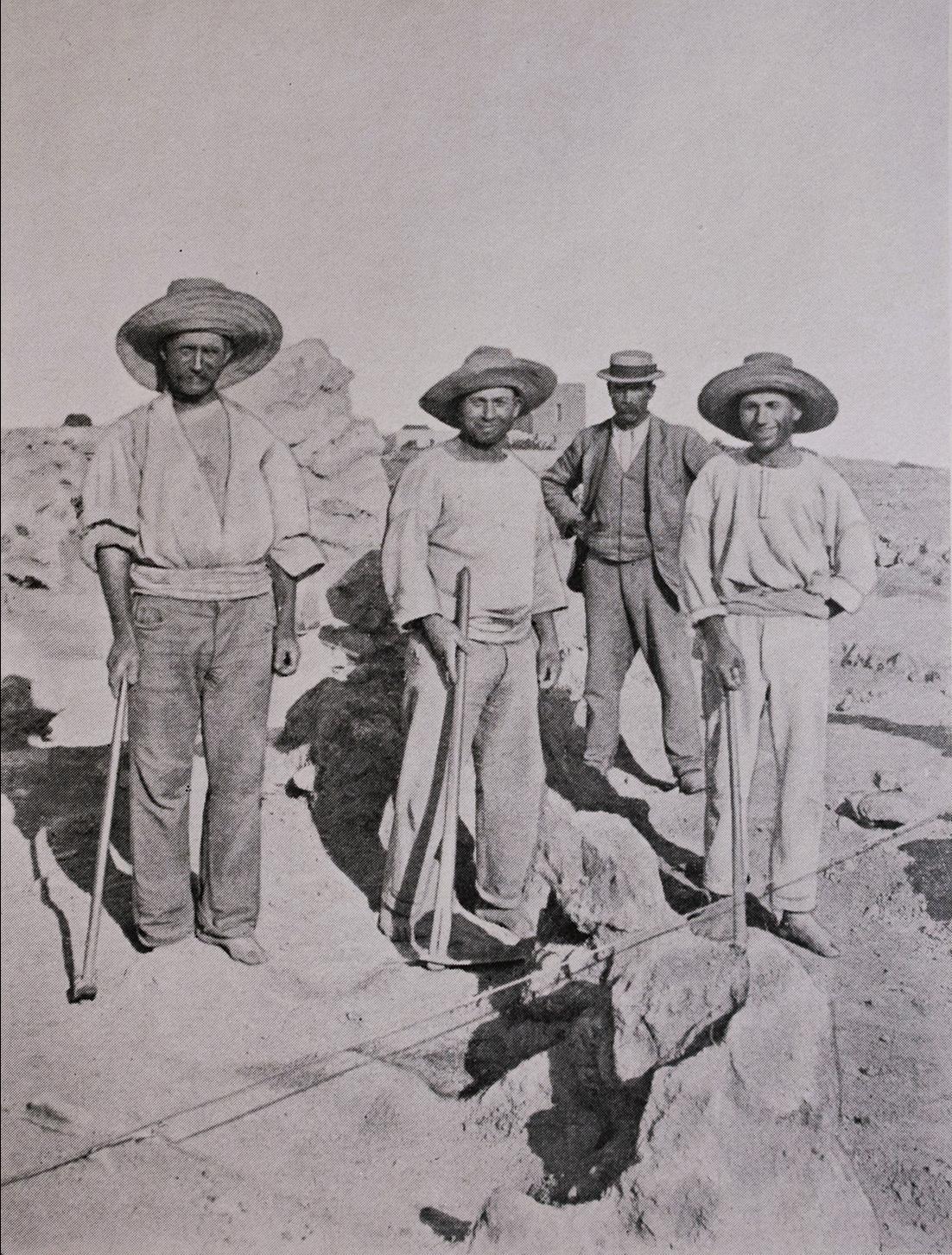 Gozo farmers, c. 1910
Not one machine-powered contraption assists the back-breaking toils of the farmers. At most, the raw muscle power of some quadrupeds: oxen, horses, donkeys and mules.
Dairy animals, like goats and sheep, supplied milk, though goats’ milk carried the deadly Mediterranean or undulant fever, which wreaked havoc among British servicemen stationed on the islands.
All images from the author’s collections
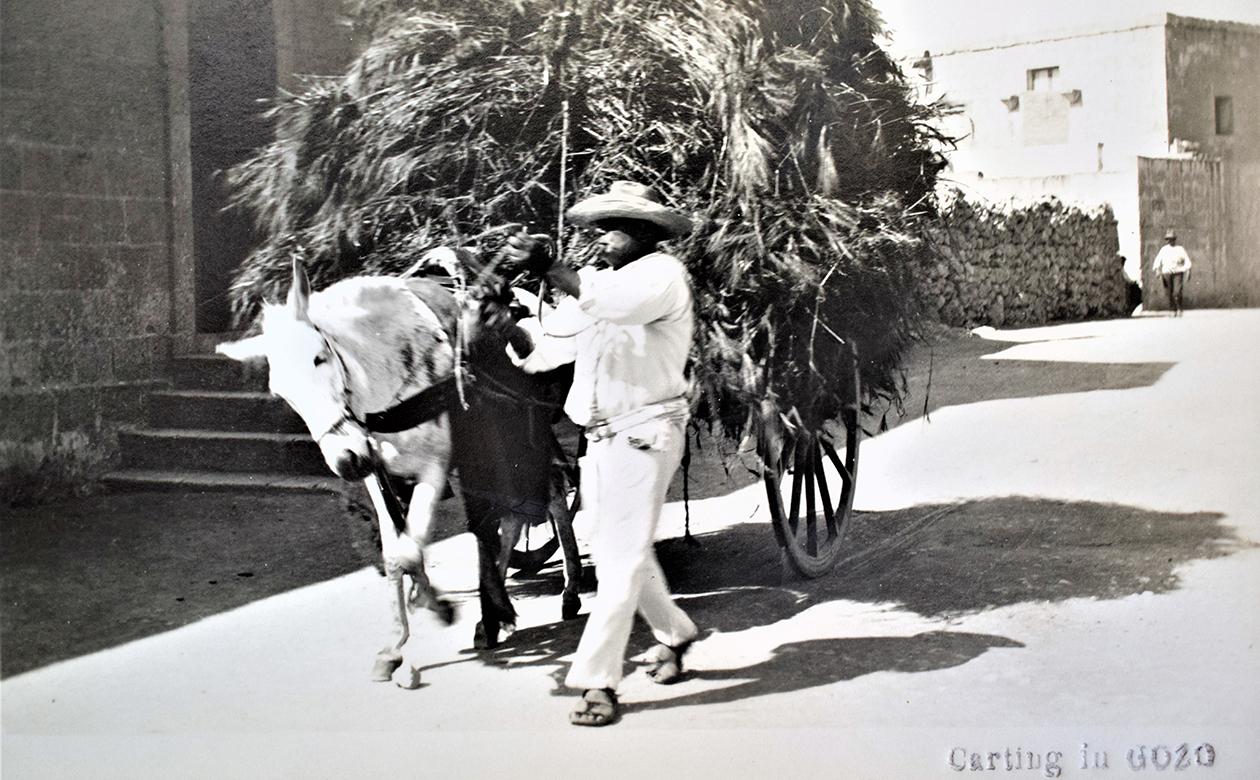 Gozo cart laden with the produce of fields.