Out of 2.5 million passengers who travelled to or from France and were eligible for compensation for flight delays in 2024, 1.3 million were not compensated by airlines, according to a new study.
It fits a growing trend of airlines trying to avoid paying compensation, the research by AirHelp highlights. In 26% of cases, airlines ignored the compensation request; in 21%, they cited bad weather, despite a lack of evidence; and in 13% they rejected valid supporting documentation.
Nice Cote d’Azur airport had the most delayed flights – just 43% arrived on time according to AirHelp. TAP Air Portugal was the worst airline for delays, with a delay rate of 32.1% of its 109,507 routes in 2024, around a third of its flights, according to air travel compensation group Flightright. It was followed by Jet2 and easyJet, with 29.54% and 28.93% delayed.
According to European legislation, for a delay of more than three hours or a flight cancellation airlines must pay compensation, except in extraordinary circumstances such as bad weather.
The amount depends on the distance of the flight and can range from €250 per passenger for journeys under 1,500km, to €400 for flights between 1,500 and 3,500km, up to €600 for flights exceeding that distance.
With delays of more than two hours airlines should provide passengers with food and, if needed, accommodation.
New legislation
In summer 2025, the EU approved new rules on flight compensation. The maximum will fall from €600 to €500, but compensation for medium-haul delays will rise from €250 to €300.
Compensation will begin from a four-hour delay, rather than the current three hours. And passengers will have up to six months to file a compensation request.
The proposals still need to be debated and approved by the European Parliament and could face further changes before being adopted by EU countries.
The usual route to request compensation is by contacting the airline in writing, often through customer services. But rules are also set to change when it comes to taking airlines to court, when contacting the airline directly does not work.
Passengers have so far been able to go to court free of charge. However, the changes set to come into force in February 2026 will introduce a longer and costlier process. From February 7, passengers will first have to consult a specialist mediator (médiateur tourisme et voyage). Before this, they must have asked the airline for a refund or compensation and have waited two months.
Only after this can passengers go to court, and instead of filing a direct claim they must now file an assignation individuelle (individual summons), which usually means using a lawyer and paying legal fees. These costs could outweigh any potential compensation.
The changes are being put in place to free up space in over-saturated courts.
Woman who sued due to lost suitcase must pay €6,000
A recent court case, in which a French woman tried suing Air France because of lost luggage, shone a light on other passenger rights.
The woman, who was not identified, flew from Paris to Chicago in 2022, but several pieces of her family’s luggage did not arrive, nor did they turn up later in the trip.
When the family got back to France, some luggage was returned but the plaintiff’s suitcase remained missing.
Read more: Ryanair increases free cabin bag size allowance: French flights impacted
She received compensation from Air France, but it admitted her suitcase had been lost. The suitcase contained a sentimental item – a toy sheep she had had since she was a little girl.
She sued Air France and Aéroports de Paris, but in January 2024 her case was dismissed and she was ordered to pay €6,000 to Aéroports de Paris.
Luggage is classed as ‘delayed’ if it is not at the airport when you disembark, but is returned to you within 21 days. It is officially ‘lost’ if it is not returned within 21 days or the airline admits it is lost.
In 2022, lost, delayed or damaged luggage rates hit a 10-year high globally but fell 9% in 2023, according to Sita, which manages IT systems for airlines.
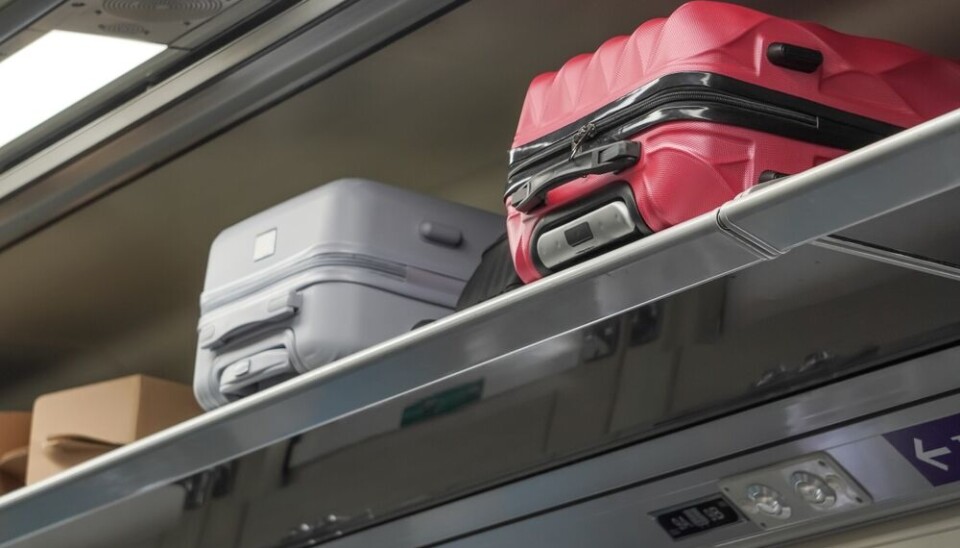
Luggage is classed as ‘delayed’ if it is not at the airport when you disembark
Rizky Ade Jonathan/Shutterstock
If your luggage is not at your destination upon arrival, let the airline know – either at their desk at the airport or by calling them. You may be asked to complete a Property Irregularity Report (PIR).
Keep all travel documents, including boarding pass and luggage tags. If you need to buy replacement items, such as toiletries, keep all receipts as you can ask for a refund from the airline.
You should then file a written claim with the airline. If it is European (or governed by the Montreal Convention, which is the case for all EU-based airlines), you have 21 days to do this.
If it is governed by the Warsaw Convention, you have 14 days to file a claim. (Find out which convention applies either on your ticket or by contacting the airline). You can claim compensation of up to €1,800 per passenger.
In the case of damaged suitcases, you can demand compensation for the suitcase and any damaged items. You must write to the airline within seven days of receiving the suitcase if the Montreal Convention applies, and within three days for the Warsaw Convention. Provide as much information as possible about the damaged items, such as photographs and receipts.
You can claim up to €1,800 per damaged or destroyed suitcase.
“Nothing prevents you from subsequently taking legal action under the law of your country of residence, eg. to get additional compensation,” according to the European Consumer Centres Network.
Insurers recommend that travellers should keep valuable or sentimental items in carry-on luggage.