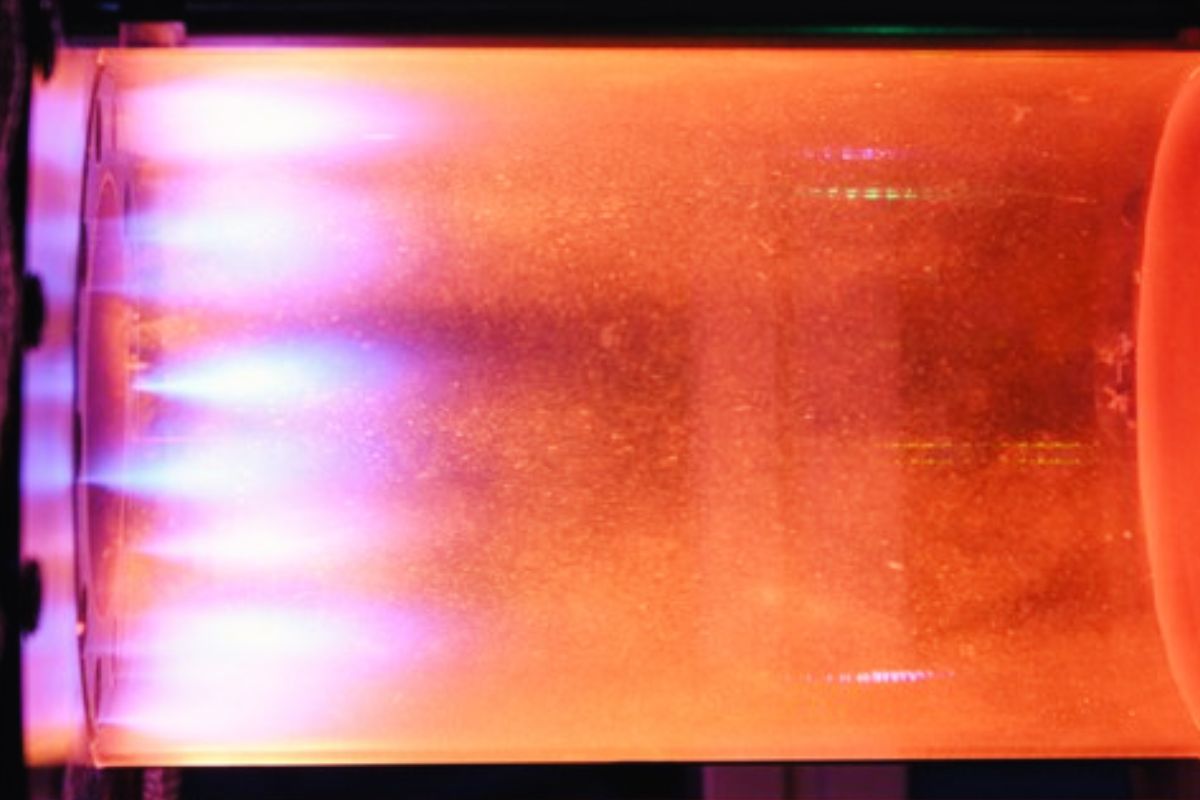
Germany is once again reshaping Europe’s energy debate—this time with an idea that is strikingly simple. Instead of investing billions in brand-new power plants, the country is moving to repurpose existing gas infrastructure to generate electricity at a fraction of the usual cost. According to early estimates, these converted facilities could be up to ten times cheaper than newly built plants, while coming online far more quickly.
A pragmatic answer to Europe’s energy pressure
Across Europe, energy systems are under strain. Rising electricity prices, supply insecurity, and ambitious climate targets have created an urgent need for solutions that are both fast and realistic. Germany’s approach avoids lengthy construction projects and focuses instead on assets that already exist.
For decades, the country invested heavily in gas pipelines, compressor stations, grid connections, and power plant sites. As gas usage declines and parts of this network become underused, Germany has chosen not to abandon it—but to give it a new role in the energy system.
Why this approach is dramatically cheaper
The economics are straightforward. Land, grid connections, safety zones, and major structural components are already in place. This eliminates some of the most expensive and time-consuming parts of energy construction projects.
Energy analysts highlight several reasons behind the cost reduction:
Infrastructure is already built and largely amortized
Existing grid connections reduce technical complexity
Construction timelines shrink from years to months
Fewer permits are required compared to greenfield projects
Lower environmental impact during redevelopment
As a result, capital costs drop sharply, making electricity production more affordable at a time when households and industries are under financial pressure.
A strategic role in the energy transition
Germany’s plan is not designed to replace renewable energy, but to support it. Solar and wind power remain central to the country’s long-term strategy, yet their intermittent nature creates challenges for grid stability. Repurposed plants can operate as flexible backup capacity, activating when renewable output falls.
Crucially, reusing existing infrastructure avoids the emissions associated with new large-scale construction. From an environmental perspective, it is a form of energy recycling—using what already exists rather than starting from scratch.
One energy systems engineer involved in similar projects explains the logic:
“This isn’t just about saving money. It’s about saving time. Without transitional solutions like this, the energy transition risks falling behind reality.”
Growing interest across Europe
Germany’s strategy has quickly attracted attention beyond its borders. Many European countries—such as France, Italy, Spain, and the Netherlands—possess extensive gas networks facing a similar future of partial obsolescence. For them, the German model offers a potential shortcut through the most difficult phase of the transition.
Experts note that this approach is especially appealing for countries facing three simultaneous challenges: aging infrastructure, high electricity prices, and political pressure to decarbonize quickly.
Limits and open questions
Despite its appeal, the strategy is not without constraints. Not every gas facility is suitable for conversion, and some sites will require significant upgrades to meet modern environmental and safety standards. There is also ongoing debate over whether extending the use of gas-related infrastructure could slow the full shift to renewables.
German authorities argue that the policy is clearly defined as a bridge solution, not a long-term substitute for clean energy. The objective is to maintain system stability while renewable capacity continues to expand.
A simple idea with structural impact
What makes this strategy stand out is its lack of technological spectacle. There are no experimental reactors or unproven systems involved—just a reassessment of existing assets. In a period marked by energy uncertainty, this simplicity is precisely its strength.
By choosing to repurpose rather than rebuild, Germany is demonstrating that innovation does not always require new materials or radical inventions. Sometimes, it begins by rethinking what is already there.
If adopted at scale, this model could reshape how Europe approaches its energy transition—making it faster, cheaper, and more resilient. In an era where time and affordability matter as much as ambition, Germany’s move suggests that the next big energy breakthrough may come from infrastructure built decades ago.