For the scion of one of Spain’s sherry dynasties, there is a “delicious historic irony” about the Scots once more “conquering” his trade.
“The demand from Scottish distillers for large quantities of sherry to season casks for ageing single malt has become a huge business,” said Gonzalo del Río y González-Gordon, the fifth generation of an aristocratic Anglo-Spanish family who own Gonzalez Byass, the maker of Tio Pepe.
The descendant of Spanish noblemen and Scottish lairds who emigrated to southern Spain in the 18th century, his family keep alive the trade’s links with Britain, which go back at least 500 years. Many of the British sherry companies, most of which have disappeared since the tipple’s decline from its heyday in the 1970s, were founded by Scottish merchants.
• What is a single malt? 30 whisky questions answered
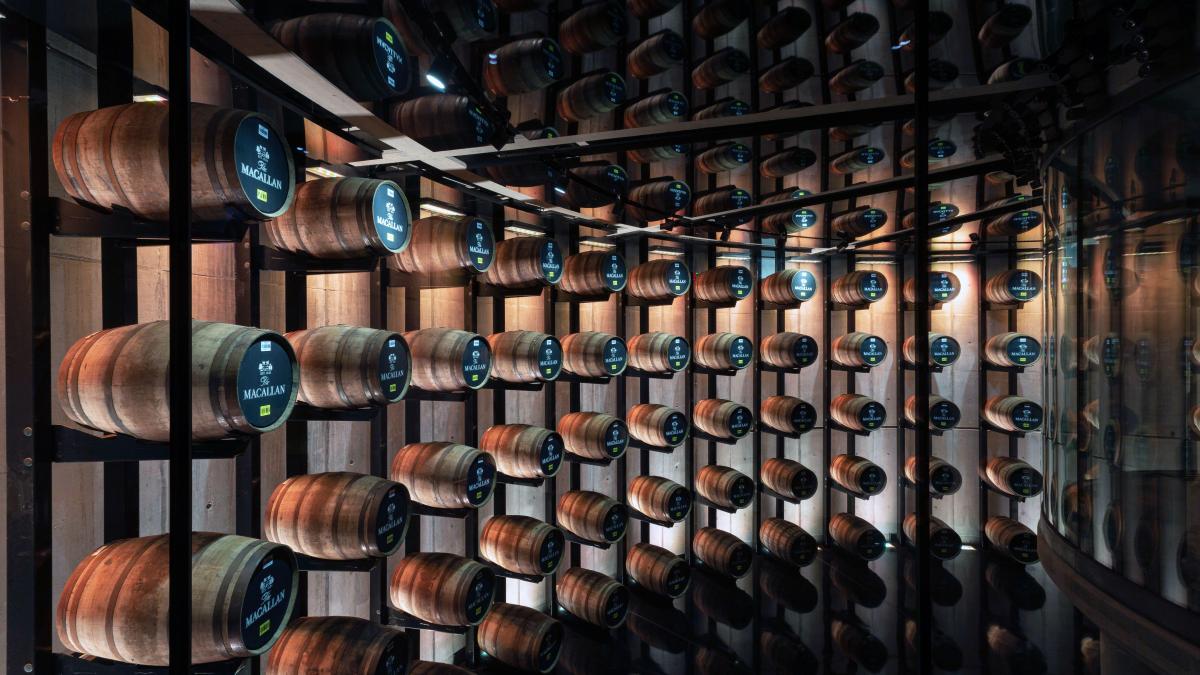
“Now the Scots are back again,” del Río y González-Gordon, 72, said. In the family company’s bodegas, the grand old “cathedrals” where sherry is stored and which dominate Jerez like a citadel within a city, stacks of thousands of new oak casks attest to the booming trade with Scotland.
After decades of falling sales, sherry makers have focused on selling high-quality wines. But demand from the Scottish whisky industry for sherry-seasoned casks has transformed balance sheets across Spain’s “sherry triangle”.
Gonzalez Byass, which has made wine since 1835, seasons casks for several distillers, including Macallan. The distiller is betting big on the business. It acquired a 50 per cent stake in the sherry producer Grupo Estevez in 2023 as well as buying outright a Jerez cooperage in a major move to control its supply chain.

Gonzalez Byass bodega in Jerez. It is the maker of Tio Pepe sherry
The business is also transforming the landscape. Young golden-leaved vines shimmer in late autumnal sunshine on the region’s gentle slopes, a sign of growth unseen for four decades. In a region where many sherry vineyards vanished beneath olive plantations and solar farms, whisky has become the unlikely engine of revival.
Catina Aveledo, the vineyard manager for Barbadillo, a leading sherry producer from Sanlucar de Barrameda, pointed to hectares of newly planted vines. She said: “Forty years ago it was a vineyard and now we have recovered it. We have replanted about 80 hectares overall in the last year or so.”
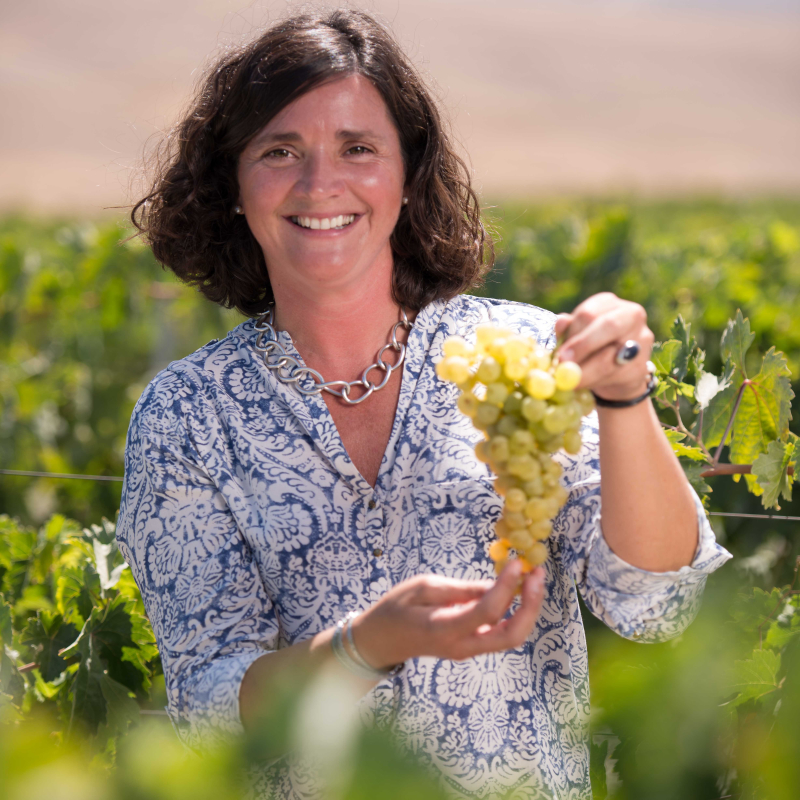

Sherry casks at Barbadillo. Below, its vineyard
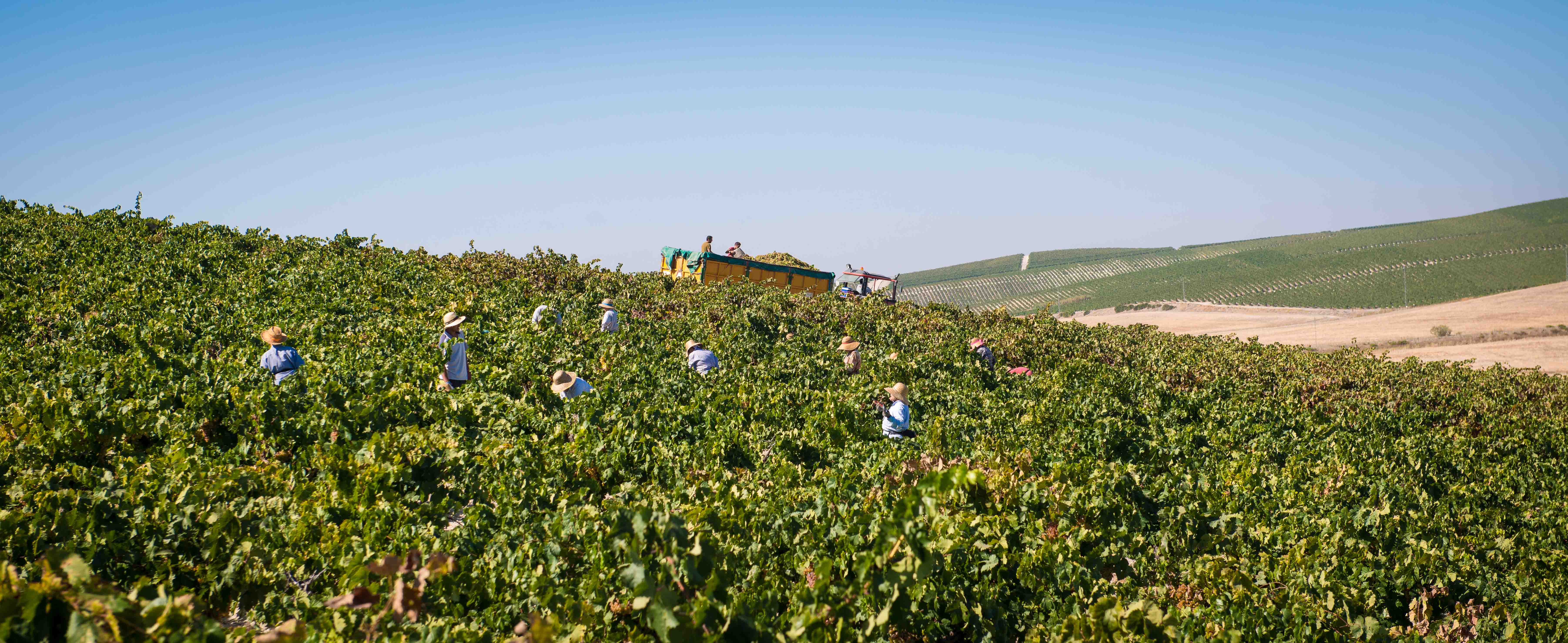
The regeneration of vineyards, in this case in the historic Balbaina pago, or terroir, outside Sanlucar, has reversed a trend of deep decline. Thousands of hectares of vineyards were grubbed up and replaced with olives or almonds after state subsidy-backed mass production of cheap sherry ended with Spain’s entry into the EU in 1986, leaving the region with an epic hangover.
Aveledo rejoices in the trade’s new shoots of growth. “Look how beautiful it is,” she said, admiring rows of new vines. “That,” she added, pointing to a freshly ploughed field, “will soon be a vineyard again.”
• The best wines for a New Year’s Eve party — chosen by our critic
In Barbadillo’s bodegas, built around a former bishop’s palace in Sanlucar’s historic quarter, Tim Holt, the company’s international area director, said: “In the industry as a whole the seasoning business is actually very, very significant.”
Holt, the last in a long line of the city’s resident British sherry merchants, added: “The boom is because the premium whisky sector has grown a lot, and part of being a premium malt is having your whisky aged in sherry-seasoned casks.”
Major sherry houses are now producing huge volumes of wine destined specifically for cask seasoning rather than bottled export.
César Saldaña, the president of the sherry region’s regulating body, said: “Currently, there are approximately 340,000 500-litre casks in Jerez undergoing the ageing process for sherry wine. Roughly one third of that quantity are barrels being seasoned for later sale to distilleries.”
Those figures include only casks certified by the regulatory body. Industry sources suggest that at least 40 per cent of all sherry produced may be involved in the cask trade.
Holt shows some of Barbadillo’s several thousand new oak casks. Purpose-built for seasoning, they are full of sherry and stamped with the names of the Scotch producers that own them. “Three years ago Barbadillo had nothing in the seasoning sector, and, although it will remain only a supporting part of our business, it is growing,” he said.
Holt pointed out that the rise of the sherry-seasoned cask trade had also revived local cooperages, boosted oak imports and increased business for transport firms moving thousands of casks a year to Scotland.
At Jerez, the home of fino sherry, the rival to coastal Sanlucar’s sea-influenced manzanilla variety, the house of Gonzalez Byass is heavily engaged in the whisky cask business.
It is not without challenges. Successive years of drought prompted many farmers recently to turn from vine to olive cultivation, causing a shortage of grapes and an increase in their price. Salvador Chirino, the company’s cask manager, said: “We have had very bad harvests the last four years. By replanting vineyards we are ensuring that we have all the wine we need for sherry for drinking and also for seasoning.”
Del Río y González-Gordon pointed to the long history of ageing whisky in sherry casks, a practice well established by the late 19th century. Sherry was then exported in vast quantities from Spain to Britain in large oak casks known as butts. Once emptied in British ports, these casks were sold on cheaply to Scottish distillers, who found them ideal for maturing spirits.
A receipt from the company archive shows a payment made to the sherry producer in 1915 for £50 for casks from Dalmore Distillery, for which it now seasons casks. “You can see the origin of what nowadays is a big business,” said del Río y González-Gordon.

In the 1990s, however, Spanish rules stipulated sherry had to be bottled in Spain and so no more casks were shipped. Chirino said: “Some big distilleries wanted to continue with casks and so purpose-built ones were made in Spain and seasoned here and that’s how it began.
“The scarce old casks, maybe 40 or 50 years old, are still massively coveted by the distillers but obviously new purpose-built ones are the main type sold. Both are good, with different profiles of flavour.”
The new casks are seasoned with sherry at least two years old for a period of at least a year. They are certified with information about the type of oak, the wine, the cooperage and the length of the seasoning period. The price of a 500-litre cask before seasoning costs about €900 but its value can increase up to thousands of euros, depending on the type of sherry used.
Saldaña said the regulatory body had tightened control over the cask trade because “often barrels that had never actually contained genuine sherry wine were offered as ‘sherry casks’”. He hopes that new EU legislation will confer protected status on the sherry region’s casks.
Holt noted that 90 per cent of Barbadillo’s cask seasoning was done with oloroso sherry “as it gives more of a footprint of the sherry flavour”. He added: “It’s also about leaching out some of the more aggressive tannins and acids from the cask’s wood. So by the time it gets to whisky you get a softer, rounder feel, not just because of the influence of the oloroso, but as the wood has been mellowed.”
Whisky aged in old sherry casks that contained rare old varieties such as Gonzalez Byass’s Matusalem or Apostoles wines can fetch eye-popping prices. Dalmore produced a collection of three miniature bottles of whisky matured in such casks that sold for £15,000. The distiller and the sherry maker have collaborated on an unusual project –— shipping whisky from Scotland to Jerez to age it in the bodega under a Scotch label called Nomad.

But what happens to all the sherry used in the process? Its destiny after seasoning has become mildly controversial because some unscrupulous producers are suspected of recycling it clandestinely for making wine.
Chirino said: “We keep it apart from our drinking sherry in different warehouses. We can re-use it to season new batches, but we need to refresh them with maybe 25 per cent new wine to get rid of the oak flavour and to balance it. Once we decide it’s not useful any more, we get rid of it. For example, selling it for vinegar production.”
For now, the fortunes of Jerez are once again tied to Scotland. But could the boom go bust? Holt said: “There is a bit of a concern now that single malt whisky sales have cooled globally. But for many distillers it’s just business as usual because they’re not thinking about today. They’re thinking about where they’re going to be in 12 years’ time.”