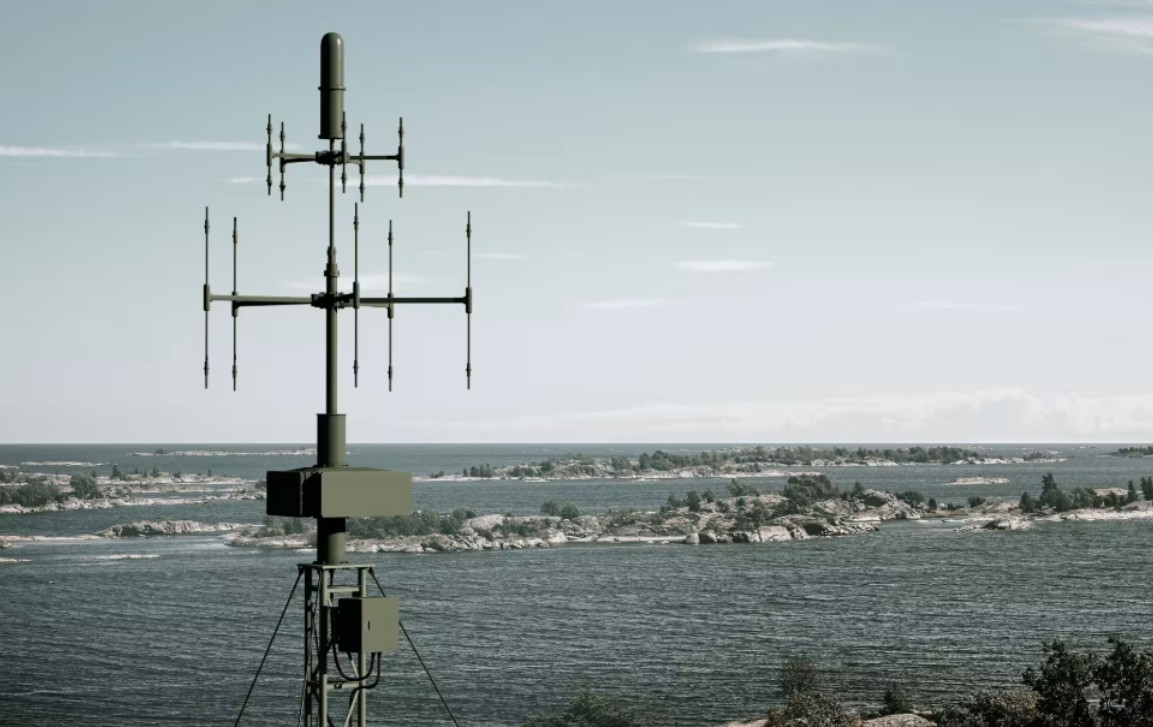

Saab has received an order from an undisclosed European NATO country for its Sirius passive sensor system, designed for signals intelligence (SIGINT) and surveillance, along with associated services.
The contract is valued at approximately 130 million euros ($153 million), with deliveries scheduled through 2030.
Sirius integrates communications and electronic intelligence sensors to provide both tactical situational awareness and strategic intelligence capabilities. Designed for operations across air, land, and sea, the system supports multi-domain surveillance and joint SIGINT missions.
“We are delighted to contribute to enhancing Europe’s and NATO’s capabilities by increasing situational awareness and gathering reliable intelligence,” said Carl-Johan Bergholm, head of Saab’s Business Area Surveillance. “Understanding one’s surroundings is a crucial prerequisite for decision-makers.”
Earlier this year, Saab announced plans to open a production facility in Finland to expand manufacturing of its Sirius Compact passive electronic warfare sensors.
Sirius Compact is a smaller, more flexible variant designed for tactical use and easier integration across a wide range of platforms.
The new facility will support large-scale production as demand for advanced sensor technologies continues to grow.
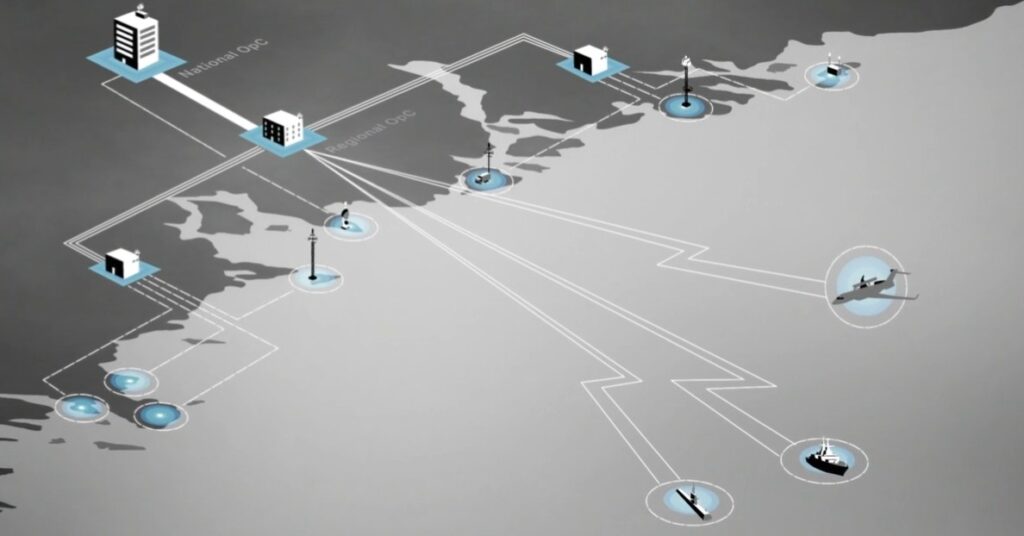 Sirius enables coordinated management and tasking of multiple sensors across users and operators. Photo: Saab
Sirius System
Sirius can be deployed as a complete system or in modular configurations, integrating sensors from Saab or third-party providers to meet customer-specific requirements, including geographically distributed sensor networks.
The system is designed to capture a wide range of signals across the radio frequency spectrum with high sensitivity, precision, and coverage.
It can detect and analyze radar and communications signals, even in dense or complex electromagnetic environments.
Collected data is processed and disseminated to support operational decision-making while remaining undetected.
Automated processing and classification tools enable operators to prioritize critical tasks, allowing for persistent operations with minimal personnel.
Sirius is supported by scalable data management and fusion capabilities, enabling multiple sensors to be networked and coordinated across different locations.
Open interfaces also allow the system to be integrated into existing platforms and command-and-control systems.