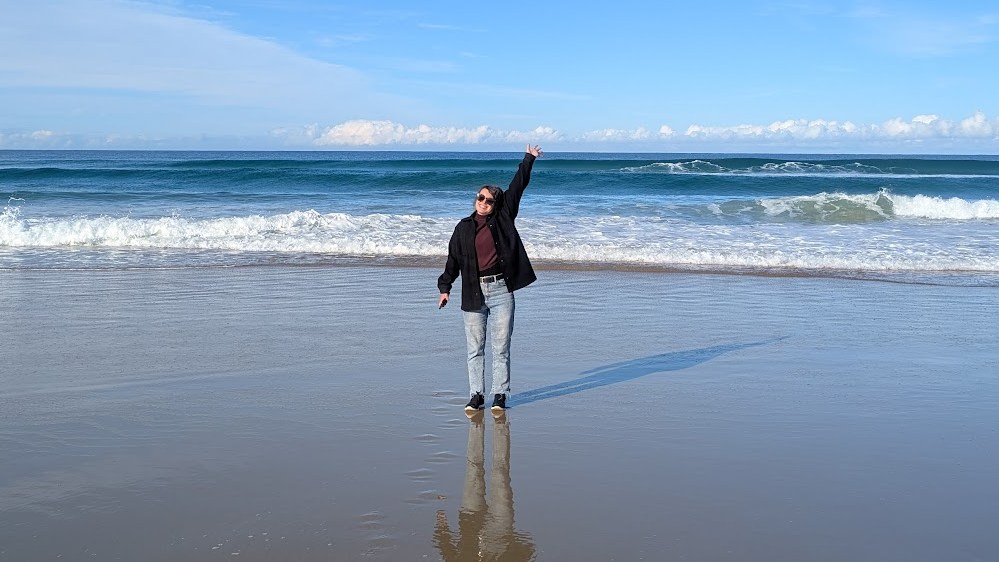
Stopping work early with a high income is a pipe dream for many, but Lizzie Davey is on track to do just that.
The freelance writer from Brighton is only 35 but she is planning to retire at 55 with more than £1.5 million in savings. Davey hopes this will give her an income of £50,000 to £80,000 a year — which would allow her to maintain her standard of living, travel more and have enough to give back to family.
A £1.5 million pension pot sounds like a huge ambition — particularly because Davey lives alone and doesn’t intend to rely on a partner’s help. So how will she do it? Here are her tips.
Davey is a high earner. This means that she can save tax-efficiently, putting money aside for the future while also spending in the here and now.
She is a freelance copywriter for tech and software companies and operates through a limited company. Her business brought in £185,000 in the year to October, and £232,000 the year before. Of the £185,000 revenue, she paid about £30,000 in corporation tax, £6,000 for marketing the business, and £4,500 on software, subscriptions and other expenses.
• Are you on track for your dream retirement?
Davey pays herself about £75,000 through a combination of salary and dividends. She pays £1,000 a month into a pension containing about £50,000 in it after she started it three years ago, and a further £1,000 a month into a general investing account held through the company.
“I’m definitely a saver when it comes to my personal money. I’m not a big spender, although I do go on holiday four to six times a year, which included a three-week trip to Australia this summer,” she said.
“I still give myself a budget each month, though, and try to stick to that. I drive a 14-year-old Nissan Micra that has definitely seen better days, so I think that says it all.”
The plan is to pay more into her pension once she has stopped paying for renovations on the three-bedroom 1930s house she bought last year. When she can, she aims to pay in the maximum of £60,000 a year that you are allowed to pay into a pension while still benefiting from tax relief.
Davey plans to draw money from her Isas and other investing accounts for the first few years of retirement before she can access her private pension at 58 (unless the rules change before then).
• The best savings accounts in 2025 — and how to choose one
The aim is to have a pension pot worth £1 million at that point, alongside about £600,000 in other investment accounts with no age restrictions that she will have built up from her £1,000 a year savings. She expects her pension to grow more because she will pay in more, and because contributions will benefit from tax relief.
She also expects to get access to the full state pension from her late sixties, reducing the amount that she will need to take from her private savings. Davey has a financial adviser helping her to stay on track for her early retirement goals.
“Obviously I’m a higher earner than most people. I’m focused on my goal but I understand it’s not such a realistic target for everyone.
“The purpose of talking about my money is not to brag or show off. There isn’t a lot of transparency around pay, rates and income, especially for freelancers. But it is possible to earn a very good wage as a freelance specialist writer.
“There are some things I wish I’d done differently in hindsight. I only started paying into a pension five years ago, having been self-employed for 12 years. I wish I’d started managing my money like this earlier and invested from a younger age. But I am making up for it now. I also think it’s a possibility that I could have children at some point, so it’s worth maximising my savings now in case I hold back a bit on work for a few years.”
Quitting the rat race
Those hoping to retire early, like Davey, typically save through a combination of pensions and Isas.
Pensions have the benefit of tax relief. If you pay into a private pension, the government gives you back the tax you would have paid on that contribution in tax relief. So if, for example, you pay in £800 and you are a basic-rate taxpayer, the government will top that up to £1,000. You can claim additional rate tax relief back through a self-assessment tax return if you’re a higher or additional-rate taxpayer.
• Are you wealthy for your age?
If you pay into a pension through your workplace, contributions are usually taken from your salary before tax, so you get the tax relief at source. If you are self-employed and have set up a limited company, as Davey has, you can make contributions from the company directly.
You can generally pay up to £60,000 a year into pensions and benefit from tax relief, or as much as your annual earnings, whichever is lower. You may also be able to carry forward any unused allowance from the previous three tax years.
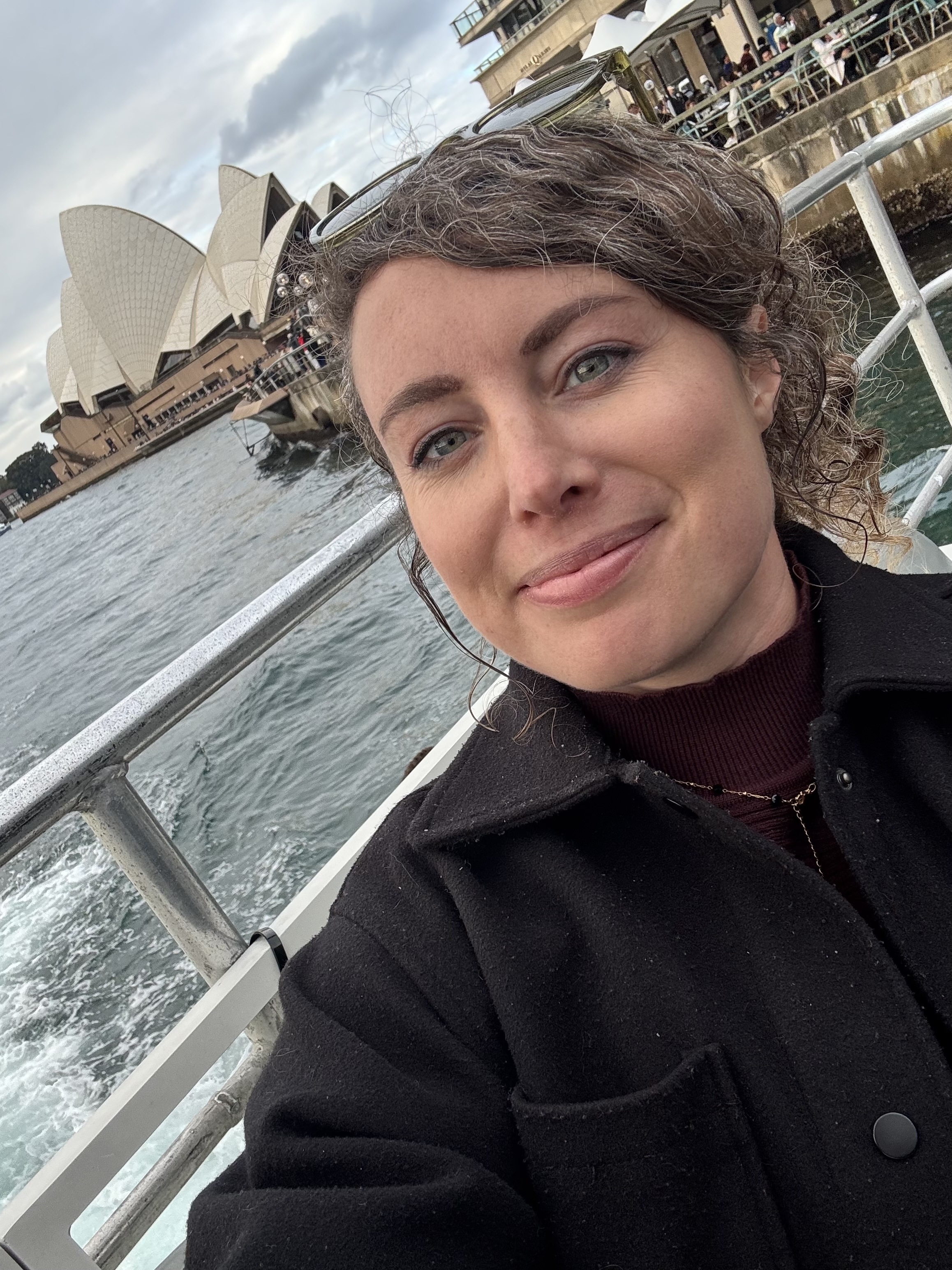
When she retires, Davey plans to travel more and will use her savings to fill the gap until she gets the state pension
If you are not earning, you or someone on your behalf can still pay up to £2,880 a year into a pension and benefit from tax relief, which means the government will top up your contribution to £3,600. This can be a useful way to keep saving if you have caring responsibilities and aren’t earning.
You can withdraw money held in private pensions from age 55, although this is rising to 57 from April 2028. You can take 25 per cent of your pot as a tax-free lump sum, or leave your pot invested and take an income from it, in which case 25 per cent of each withdrawal would be tax-free.
If you want to retire earlier, Isas can help bridge the gap between retirement and being able to get at your pension pot. You can also use them to supplement your income, tax-free, before you get the state pension (at the moment state pension age is 66 but it is rising in stages to be 67 by 2028).
Withdrawals from Isas are free of income tax, capital gains tax or dividend tax for life, but pension saving comes with upfront tax relief.
Achieving total savings of more than £1 million across pensions, Isas and other savings products requires diligent saving, ideally from a young age so the money has longer to grow. For example, if saving for 30 years you’d have to put away £1,000 a month to achieve a total pot worth £1 million, assuming growth of 6 per cent a year after fees. In reality, many start paying lower amounts and then ramp up contributions from perhaps their forties to achieve their ideal pot.
A pot of £1 million could pay you about £40,000 a year for life in retirement, assuming a 4 per cent withdrawal rate, the amount typically recommended by financial advisers to avoid the chances of running out of money depending on how long you live.