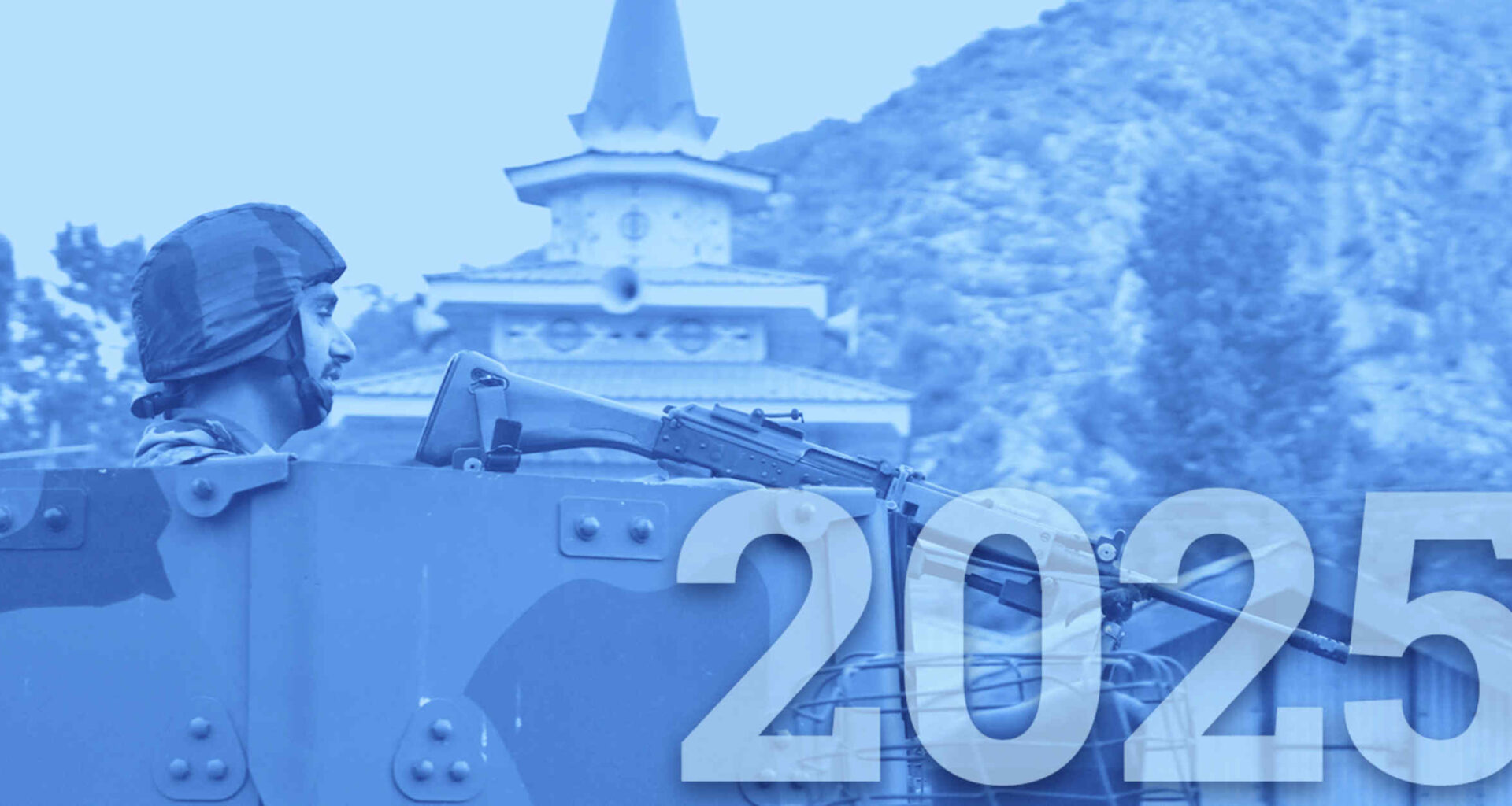
TOKYO — In another busy year of South Asia news, one topic stood out in particular: the moment long-simmering tensions between nuclear-armed India and Pakistan boiled over into outright conflict in early May. The clash began when New Delhi launched strikes in response to a terror attack in Indian-administered Kashmir that it accused Islamabad of supporting. The fighting was preceded by India’s suspension of a key water-sharing treaty.
Claiming credit for the eventual ceasefire was U.S. President Donald Trump, much to New Delhi’s chagrin. Trump has said that threats of tariffs in the triple figures persuaded both sides to back down.
India may have avoided those particular levies, but Trump still went on to impose 50% tariffs on the country, among the highest globally, over its relationship to another conflict: the Ukraine war. Even as Russia has been made a pariah by Western nations, New Delhi has maintained warmer relations with Moscow, exemplified by Indian Prime Minister Narendra Modi’s hosting of Russian President Vladimir Putin and India’s continued purchases of Russian oil — the latter being the trigger for Trump to double the tariff rate on Indian goods from 25%.
Despite exporter concerns and pain in certain sectors, the Indian economy has so far largely withstood the tariffs, helped by a weak rupee, consumption tax reforms and a persistent desire on the part of companies to diversify away from China. Meanwhile, the market saw a red hot year for initial public offerings.
One sector set for strong growth in coming years is India’s aviation sector, but in 2025 its image was sullied by the tragic crash of an Air India jet in the western Indian city of Ahmedabad, killing over 240 people. The industry saw another setback in early December when IndiGo, the country’s largest airline, failed to prepare for new rules on crew rest, leading to the cancellation of thousands of flights.
Pakistan’s economy, for its part, was not as strong, even though Islamabad successfully secured a lower tariff rate from Trump. Procter & Gamble exited the country, following the lead of other multinationals such as Shell, Telenor, Uber, Pfizer and TotalEnergies.
In Bangladesh, while the sociopolitical situation remains fragile, the country set an election for February and parties agreed on a key reform charter.
Our most popular stories from South Asia in 2025 included:
The Chinese-made jet bringing down Indian fighters in PakistanAir India flight bound for London crashes in Ahmedabad, killing over 240Indian cars make inroads into Europe as firms seek China alternativeSri Lanka car market tilts toward EVs with BYD, other Chinese leadingOusted Bangladesh PM Hasina sentenced to death over protest killingsNepal PM Oli resigns as protesters set fire to his homeRecord-low Indian rupee risks further weakening if US trade tiff persistsJane Street’s ban from India’s securities market: 4 things to knowPakistan shunned by one multinational after another as P&G also exitsIndia sees blockbuster IPO month in October as deals topped $5bnIndia overhauls consumption taxes to cut rates and spur spendingTrump’s tariff threat over India’s Russian oil imports: 4 things to know
Take a look back with our most read stories of the year here.