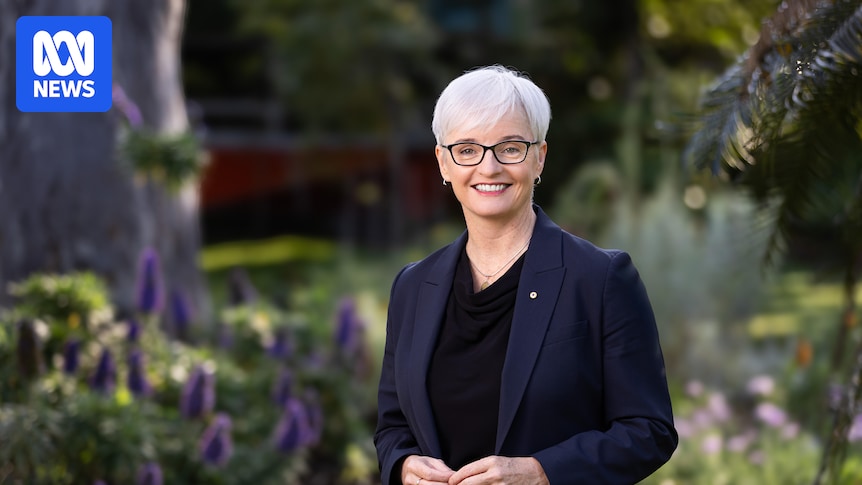
University of Melbourne vice-chancellor Emma Johnston has died from complications associated with cancer, after beginning the role earlier this year, the university says.
Professor Johnston, 52, was appointed by the university in February and has been remembered for her contributions to science, research and education.
She also studied at the University of Melbourne, where she achieved her doctorate in marine ecology, and then specialised in the ecological impacts of human activities in marine ecosystems.
Across her career, she authored 185 peer-reviewed journal articles and held leadership positions at the University of Sydney and the University of New South Wales.
Professor Johnston also served as a director of the CSIRO and the Great Barrier Reef Marine Park Authority, was the former president of Science and Technology Australia, and established and ran the Sydney Harbour Research program.
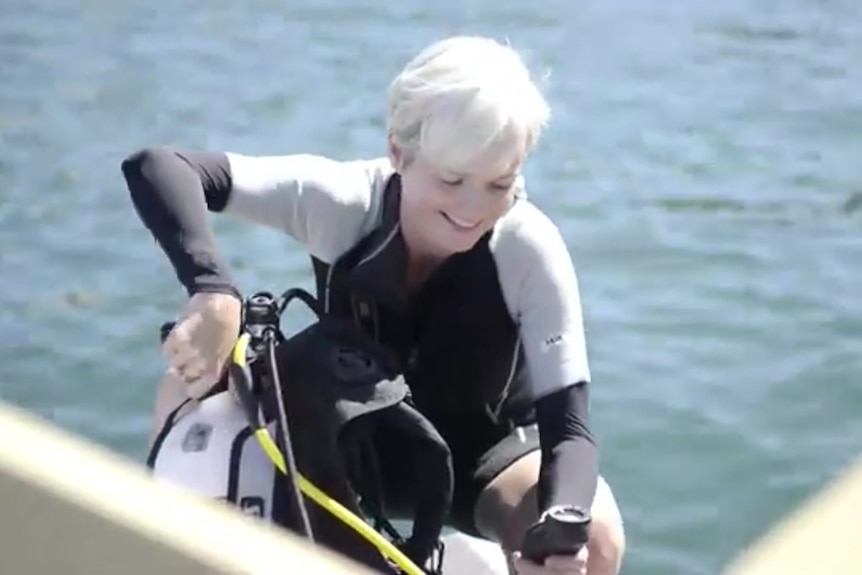
Emma Johnston researched marine environments. (Supplied: UNSW)
An accomplished communicator, Professor Johnston also appeared on episodes of the ABC TV science program Catalyst.
She was made an Officer of the Order of Australia (AO) in 2018 for her service to scientific institutes and higher education, particularly to marine ecology.
Professor Johnston is survived by her husband Sam and their two children.
A family spokesperson said they had been “greatly comforted” by the “outpouring of love and respect for Emma and her work”.
“We know she touched so many lives and her legacy will continue through the work of her many students, colleagues and mentees,” the spokesperson said.
Loading…
In an obituary written by scientists Kylie Walker and Rob Brooks, they describe Professor Johnston as “a leader for our age”.
“Her success was driven not by ego but by a deep love of science, problem-solving and teamwork,” they wrote.
They said she was “an optimist to the end” and had “so much hope for humanity”, but understood she was “running out of time”.
“Only 52 years old when she left us after a brief and brutal illness, she still wasn’t done with parenting, with saving the oceans and the planet, with nurturing and uplifting the next generation, or with remaking the Australian research and higher education landscape into something magnificent,” they said.
Remembered as one of Australia’s ‘biggest brains’ and ‘nicest people’
University of Melbourne Chancellor Jane Hansen said Professor Johnston made a “significant and meaningful contribution during her all too-brief time” as vice-chancellor.
“Her extensive experience as a leader in education and research, her understanding of the increasingly complex university environment and her care for our entire community leaves an imprint that belies her short tenure,” Ms Hansen said.
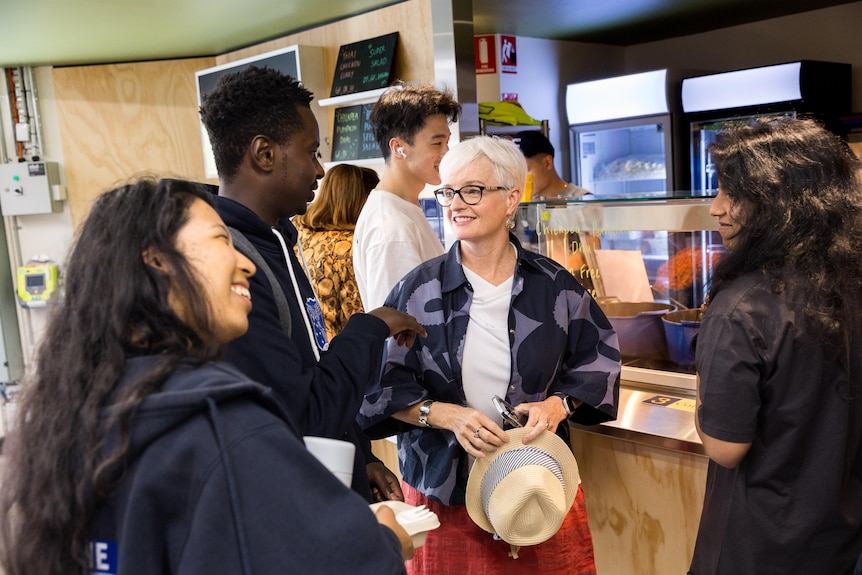
Emma Johnston was appointed vice-chancellor in February 2025. (Supplied: University of Melbourne)
In a statement, the CSIRO said Professor Johnston would be remembered not only for her “remarkable” achievements, but for her “advocacy, generosity and care” for others.
“During her time on the board, she brought her sharp intellect, collegiality and passion for science, the higher education sector and the environment, to our work,” the statement said.
“Her unwavering commitment to our people and purpose have left an indelible mark on CSIRO and the broader research community.”
Federal Education Minister Jason Clare said he was “shocked and sad” to hear of Professor Johnston’s passing and expressed his condolences.
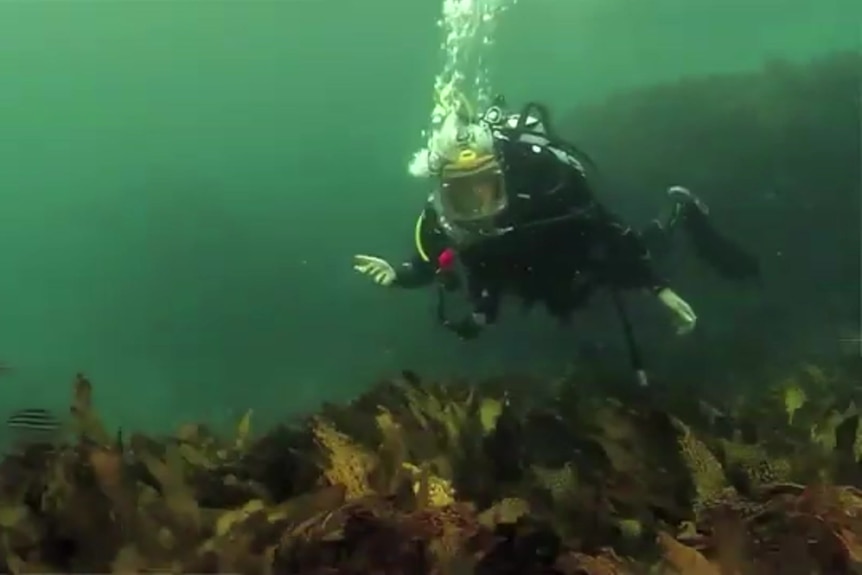
Emma Johnston specialised in marine science. (Supplied: UNSW)
“Emma Johnston was one of Australia’s biggest brains and nicest people,” he said.
“Emma was also one of Australia’s new generation of university leaders and a real reformer.”
The University of Melbourne said it would commemorate her life at the “appropriate time” and would share updates when available.
It said Professor Michael Wesley would continue in the role as acting vice-chancellor.