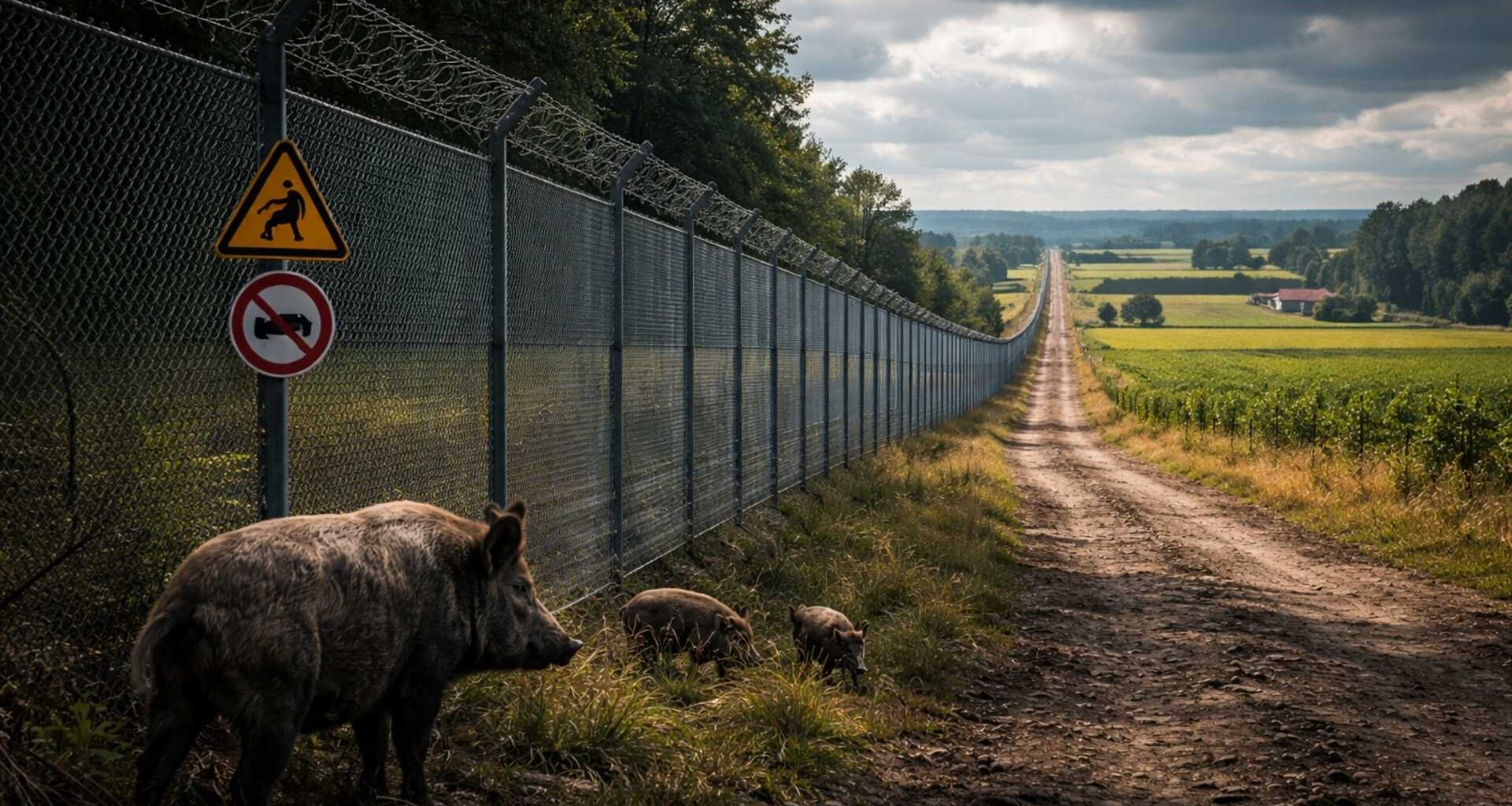
Denmark has installed a fence along part of its border with Germany as a biosecurity measure to reduce the risk of African swine fever entering the country through the movement of wild boars.
The structure, planned to follow the land border, was presented as a physical barrier aimed at protecting Danish pig farming, a sector heavily oriented towards exports, and preventing losses associated with a disease that can be fatal to pigs and wild boars but does not affect humans.
African swine fever and the European context
The decision to build the barrier was made in a context of European concern about African swine fever, an infectious disease that affects domestic pigs and wild boars and which, according to European health authorities, There is no vaccine available. to fight the virus.
The risk to the production chain is not only sanitary: in countries where cases are detected, control measures are usually activated that impact the movement of animals and trade, which can directly affect pork exporters.
Billion-dollar pig industry and pressure for protection.
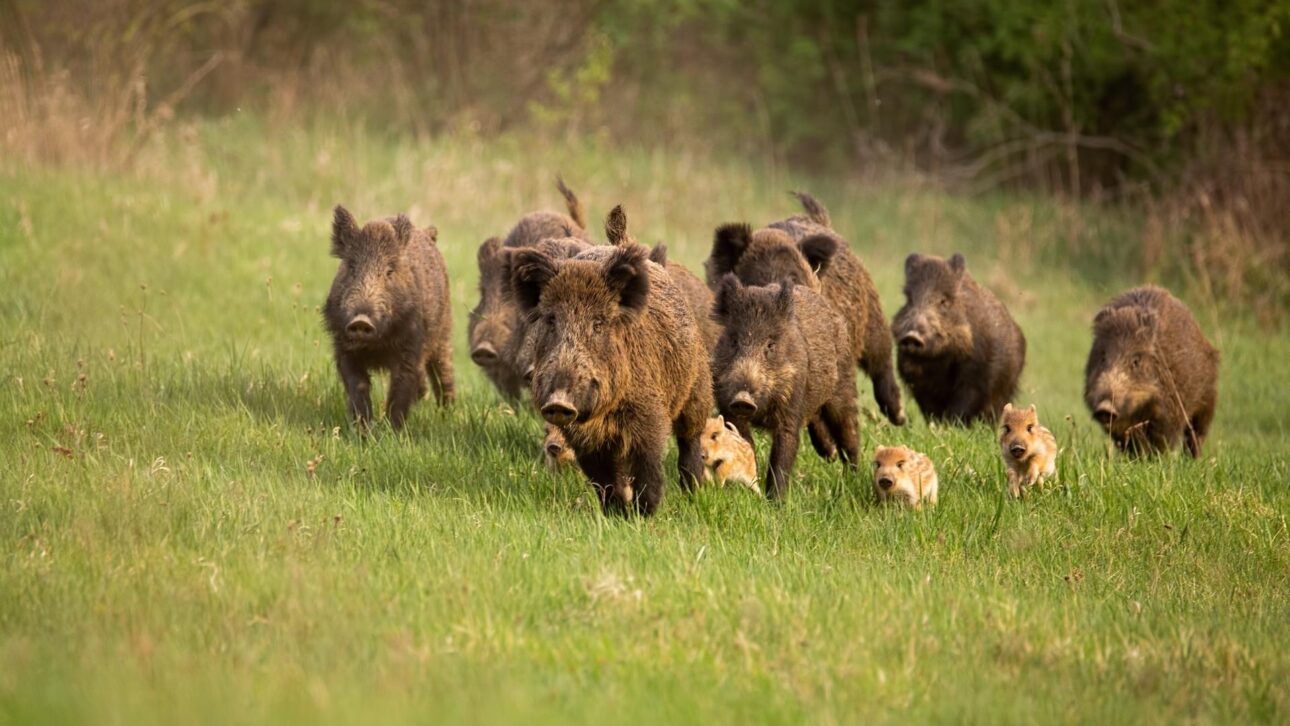 Denmark erects a fence on its border with Germany to block wild boars and reduce the risk of African swine fever in the export-oriented pig industry.
In the Danish case, the economic argument was present from the moment the project was announced.
The fence was described as an attempt to protect a sector that generates billions in exports.
In 2018, public coverage of the debate itself pointed to the financial dimension as one of the main reasons why the country “did not want to take risks,” especially because of the weight of pork in foreign sales.
The same line of reasoning was repeated in materials that describe the fence as part of a set of actions to reduce the chance of the virus entering the territory.
Fence construction and timeline up to 2019
Construction began in 2019 and the project was declared completed at the end of that year according to official documents related to environmental and land management, as well as records regarding the licensing schedule.
A government report produced as part of discussions on environmental impacts and cross-border procedures outlines a timeline in which The specific law for the “wild boar fence” was adopted in parliament in 2018.The environmental permits were issued in 2018, and the work was carried out in 2019. The completion was recorded in December 2019..
How the fence was designed to keep out wild boars
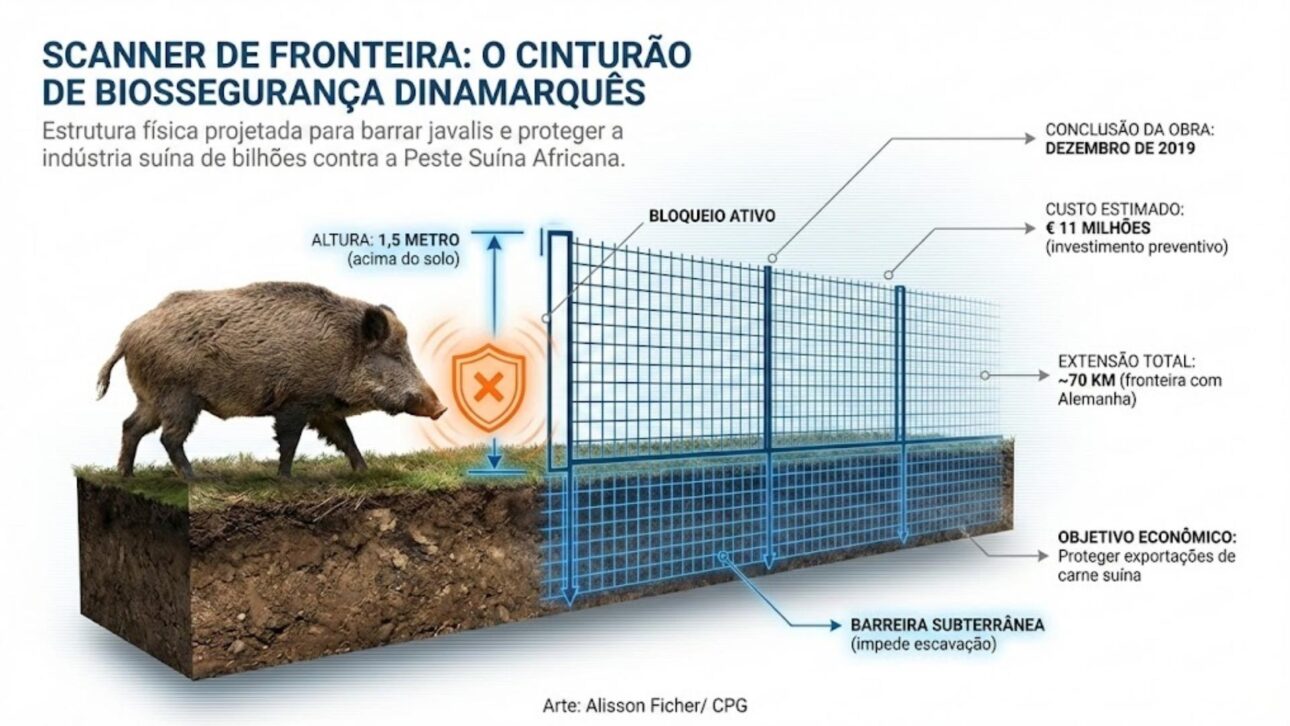 Denmark erects a fence on its border with Germany to block wild boars and reduce the risk of African swine fever in the export-oriented pig industry.
The fence was designed to be a deterrent to wild boar, with technical details that include height around 1,5 meters and buried sections to reduce the chance of passage underneath.
Project promotional materials describe that part of the structure extends below ground level and that, along the route, there are permanent openings at points associated with waterways and border crossings, as well as small passages intended for smaller animals.
This technical architecture was presented as an attempt to balance the sanitary function of the enclosure with the need to maintain some degree of permeability for other species and for the border crossing infrastructure.
Estimated cost and public reaction
The estimated cost of the project also entered the debate.
Some European coverage published when the decision was announced cited a budget of 11 milhões de euros to erect approximately 70 km The cost of fencing was cited by both proponents, who treated it as a preventative expense, and critics, who questioned whether the barrier would be proportionate to the actual risk of transmission from the movement of wild boars at that time.
Environmental impact and wildlife fragmentation
The controversy wasn’t limited to the price.
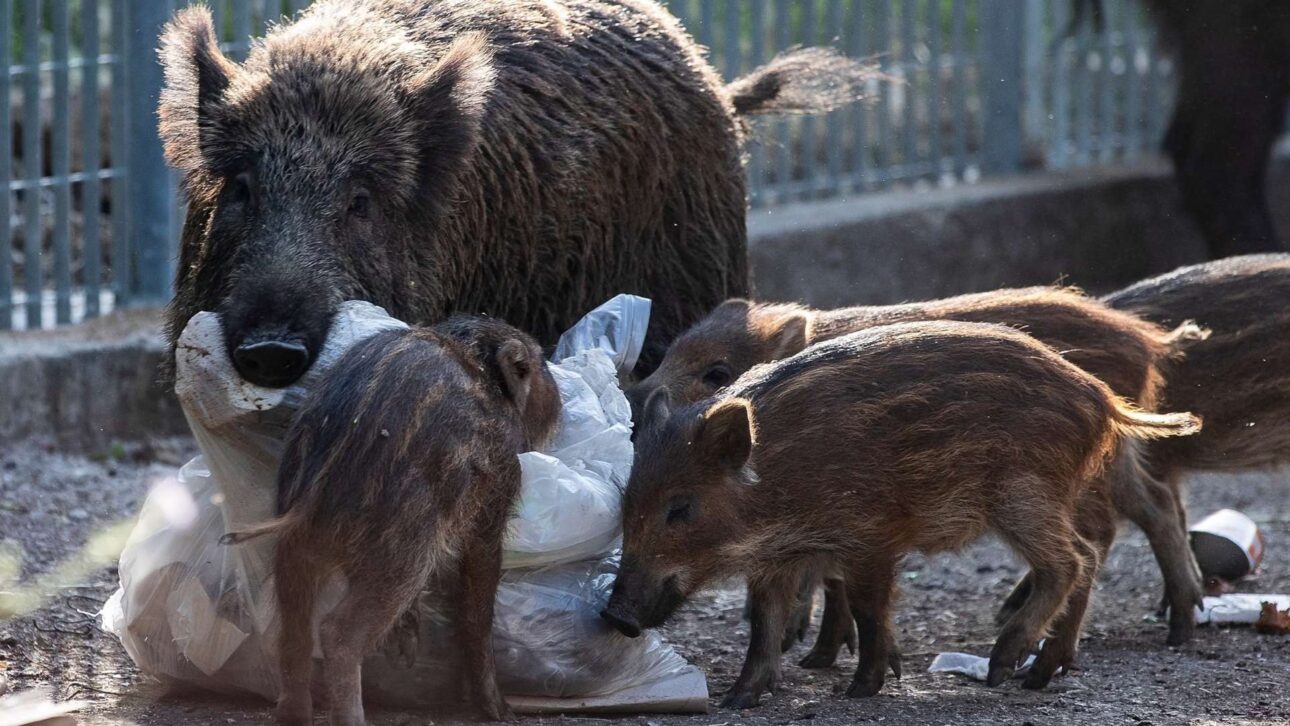 Denmark erects a fence on its border with Germany to block wild boars and reduce the risk of African swine fever in the export-oriented pig industry.
The issue has divided opinions because it involves the creation of a physical barrier on a border within the Schengen Area, even if its purpose is directed towards animals.
Critics have pointed to possible side effects on wildlife, including the fragmentation of movement routes for species that are not the target of the enclosure..
The very existence of specific openings and passageways has entered the discussion as an attempt to mitigate impacts, but without eliminating the fear that a continuous structure will alter ecological connectivity along the route.
Effectiveness of the barrier and limitations as indicated by experts.
Another sensitive point was effectiveness.
Some of the skepticism revolves around how African swine fever spreads between countries.
The virus can be transmitted through direct contact between animals, but it is also associated with human practices, such as the handling of contaminated products and improper disposal of food waste, which shifts part of the focus from “barrier control” to hygiene, surveillance, and inspection measures.
At the same time, European experts have been analyzing the role of fences in different scenarios and, in more recent assessments, the European Food Safety Authority highlighted that Fences can help control the spread of wild boar if used in conjunction with other actions.This includes measures such as carcass removal, population management, and constant maintenance, reinforcing the idea that fences alone do not solve the problem.
Sanitary cordon and package of complementary measures
In practice, The Danish fence became a fixed element of a broader biosecurity package..
Information related to the national strategy also mentions complementary measures, such as increased communication in rest areas and highways, warnings about food disposal, and actions focused on the presence of wild boars.
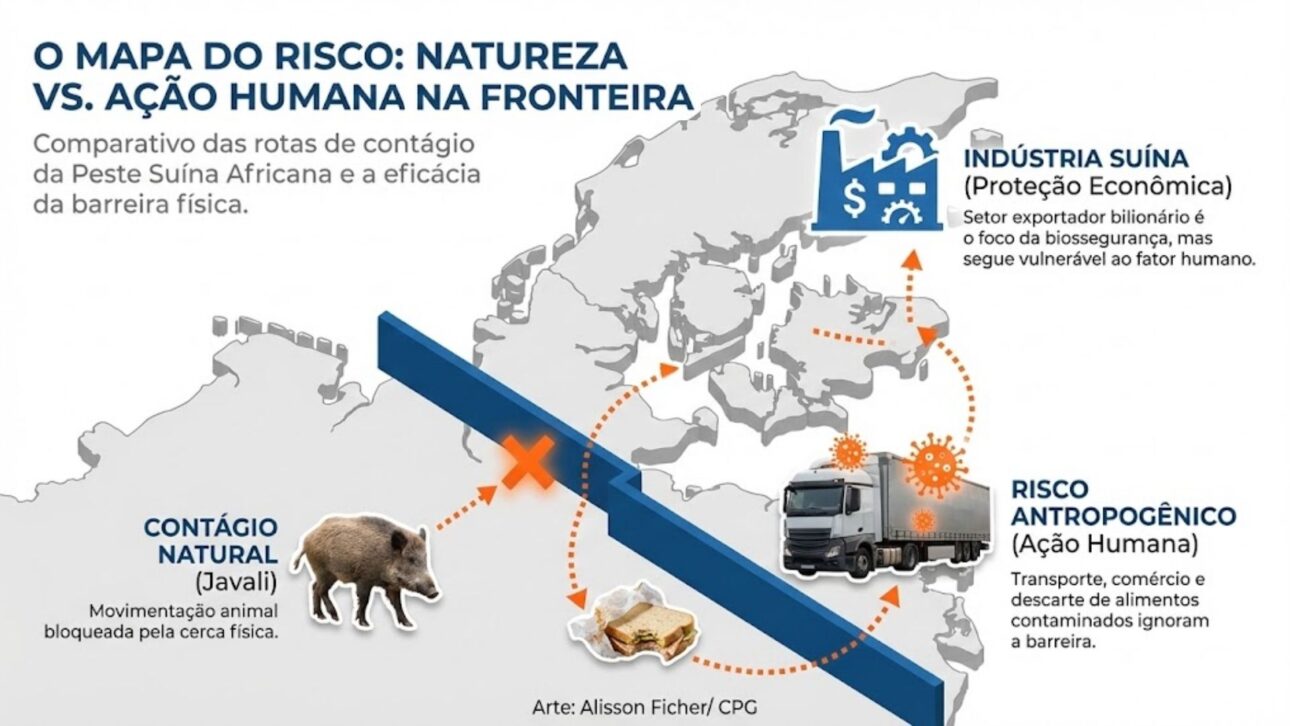 Denmark erects a fence on its border with Germany to block wild boars and reduce the risk of African swine fever in the export-oriented pig industry.
The combination of physical barriers and protocols is often cited as the logic of the sanitary “belt”: Reduce entry points, decrease opportunities for contact, and increase response capacity in case of suspicion..
Pork exports and the sector’s economic weight.
The backdrop is pig farming, which has a strong presence in the country’s economy.
Denmark frequently appears in industry statistics and reports as a major exporter of pork products, and industry entities periodically publish volumes and values associated with pork and animal exports.
This weight helps explain why biosecurity decisions end up receiving political attention and become public disputes even when they directly affect land use planning.
Fences against wild boars in the European debate
Beyond the Danish case, the discussion about border fences and physical barriers against wild boars has once again gained prominence during the resurgence of African swine fever in different areas of Europe, fueling the debate between those who advocate visible and immediate measures and those who believe that the focus should be on sanitary surveillance, traceability, and control of human transmission routes.
The fence on the border with Germany thus became a concrete example of how The fear of an animal epidemic can translate into permanent prevention infrastructure., even amidst questions about costs, environmental impacts, and the actual ability to block the spread of the virus.
Ultimately, faced with a disease for which there is no vaccine and which has the potential to cripple exports, is a physical barrier like the Danish fence a necessary protection or an expensive symbol for a problem that depends more on human behavior than on the movement of wild boars?