LADO/Shutterstock
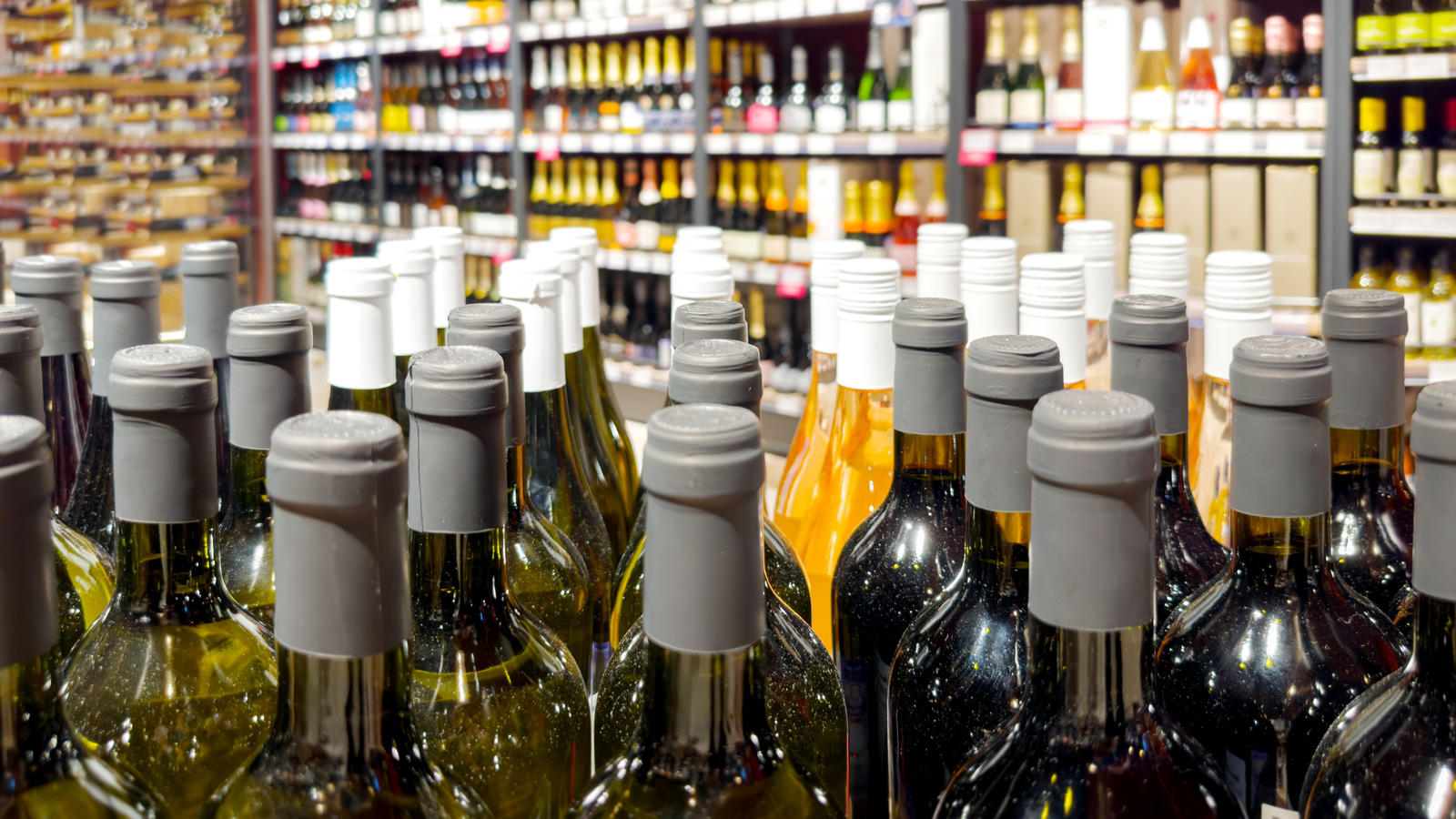
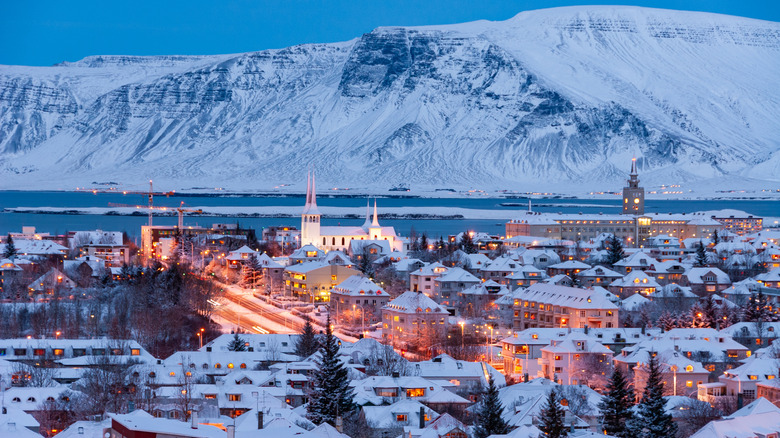
Known as the land of ice and fire, Iceland has one of the most mesmerizing sceneries on the planet. But nature is not the only thing that will take your breath away when you travel to this Nordic island; so will the alcohol prices. Iceland has the most expensive alcohol in Europe, according to Eurostat. Icelandic alcohol prices are nearly triple than the EU average, though the country itself is not part of the European Union. As noted by Euro News, “in Iceland, people pay €285 for drinks that cost €100 on average in the EU.” Within the Union, the priciest booze can be found in Finland, where it costs 107% above the average.
Other European countries where alcohol is significantly pricier than the average include Turkey, Norway, and Ireland. At the other end of the spectrum is Italy, with the cheapest alcohol in Europe, perfect for pairing wine with pasta dishes. Should you find yourself in the mood for some of the best and most underrated European beer, however, Germany and Austria rank as the second and third cheapest.
The main reason the pricing of alcohol differs so much between European countries is the varying alcohol tax. Iceland has one of the highest alcohol taxes in the world, and it actually comprises the majority of the final price. In concrete numbers, Nordic Alcohol reports that Iceland charges, in taxes alone, “105.5 EUR per liter of spirits and 99 EUR per liter of wine,” which translates to about $124 and $116 respectively. Beer is taxed at €32.2 per liter, approximately $38.
Iceland has a very strict alcohol culture
Palmi Gudmundsson/Getty Images
There’s a reason why alcohol is taxed so highly in Iceland. As it turns out, the government has been trying to limit alcohol consumption in the interest of public health, as the country had a serious problem with excessive drinking. This can cause even bigger issues, and it’s no secret that even a small amount of alcohol can affect your brain. But sticking a high price tag on a bottle is not the only way alcohol consumption is discouraged in Iceland.
Advertising any alcoholic beverage is forbidden on all media channels, unless it contains under 2.25% ABV. Alcohol also isn’t allowed to be sold in supermarkets; only at a special store called Vínbúðin, which is owned by the state. The only exception concerns breweries, which have been able to sell directly to customers since 2022. If you’re planning a trip to Iceland, you may be placing your bets on the duty-free alcohol at the airport — and while it will certainly be much cheaper, there is a limit on how much you can purchase.
Given all these restrictions, it’s perhaps not surprising that Iceland’s consumption of alcohol is 25% lower than the EU average, according to the Organisation for Economic Co-operation and Development. However, the instances of heavy drinking (defined as consuming at least six beverages in one sitting) do rank 5% above the EU average. Still, it explains those high prices.