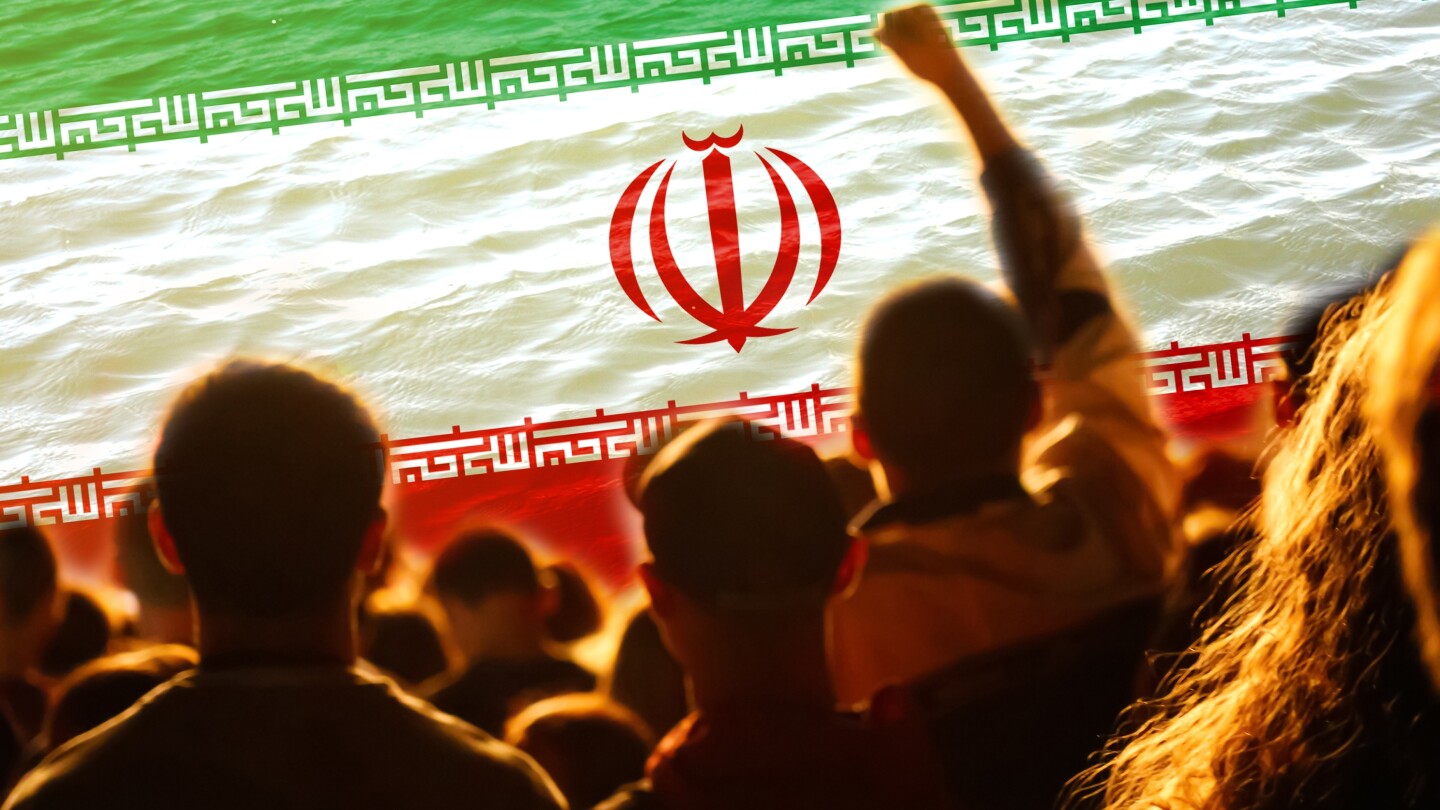
The Iranian people have had enough. For more than a century, strikes in the Tehran bazaar have brought down the government and heralded revolution. On December 12, 1905, for example, the bazaar went on strike after the Tehran governor ordered several prominent sugar merchants to be publicly beaten over rising sugar prices. The episode marked the beginning of the Constitutional Revolution that ended the shah’s absolute rule.
In July 1952, the Tehran bazaar went on strike to demand the reinstatement of Prime Minister Mohammad Mosaddegh, whom the shah had dismissed. Fifteen months later, when the Iranian military, backed by the United States and Great Britain, again deposed Mosaddegh to restore the shah, the bazaar again shuttered.
Striking bazaaris reflects eroding support among the regime’s core supporters.
It was a January 8-9, 1978, closure of the Tehran bazaar to protest the state newspaper’s slander of Ayatollah Ruhollah Khomeini that kicked off the protest movement that snowballed into the 1979 Islamic Revolution. During that period of revolutionary turmoil, the bazaar closed several more times in support of the protestors and to signal displeasure with the shah.
Then, as now, the Tehran bazaaris were not secular students whom the Iranian regime viewed with disdain; they were conservative and religious. Striking bazaaris reflects eroding support among the regime’s core supporters.
Iranian merchants have every right to be outraged today; the Islamic Republic has mismanaged the economy, leading to runaway inflation and a hemorrhaging currency. Most Iranians no longer can put meat on the table, and now the price of rice—a staple for Iranian families—is climbing out of reach. Water is scarce and air pollution makes life miserable in most urban areas.
Major universities have said they will soon join the strikes, and Iranians protestors are now calling on security forces to join them. The June 2025 war with Israel, meanwhile, has destroyed regime legitimacy among core supporters. Supreme Leader Ali Khamenei’s boasts of strength proved empty, while Iranians willing to sacrifice hundreds of billions, if not trillions, of dollars to sanctions and lost opportunities over more than three decades saw their sacrifice transformed into scrap metal and dust overnight by U.S. and Israeli airstrikes.
Regimes like Iran’s have proven themselves resilient. Three decades ago, the Clinton administration was willing to accept a bad deal in the Agreed Framework with North Korea simply because they could not conceive the communist regime would survive long enough to receive all the benefits promised. Eritrea survives on fumes. Inertia matters.
Like all unpopular revolutionary regimes, [Iran’s] will come toppling down.
Still, the Islamic Republic was always more of an anomaly than the natural apex of Iranian political evolution. Like all unpopular revolutionary regimes, it will come toppling down. Whether or not the regime survives the new protest movement, its trajectory is clear as protests become more frequent and reach ever more segments of society.
If Khamenei swings from the gallows in Azadi Square and some sort of interim authority emerges, Iranians will not only need to determine the shape of their next government, but also what to do with the surviving elements of the last one.
Just as a debate raged in post-Saddam Iraq about the permissibility of Baath Party member participation in the new government—and, if so, what previous level should disqualify former regime officials—so, too, will Iranians need to decide what to do with members of the Islamic Republic, most of whom long ago shed any sincere ideological commitment and instead simply pantomimed for the regime in exchange for a job.
Iranians will need to address other aspects of transitional justice. While the regime may be in its death throws, its ideological core likely will not go down without a fight. Just as in the last days of the shah, there is likely to be an orgy of violence. Islamic Revolutionary Guard Corpsmen or paramilitary Basijis may beat and even kill protestors. Many already have blood on their hands. During the Woman, Life, Freedom movement protests, Iranian security forces purposely fired buckshot at the faces of protestors, blinding several.
Meanwhile, regime executioners have killed thousands over the decades, whether for practicing the wrong politics, being the wrong ethnicity, or simply out of fear at the potential potency of their influence.
Many Iranians who suffered at the heels of regime officials may want blood, to avenge fathers, mothers, sons, and cousins. This, however, can unleash a cycle that will consume Iran in blood. Failure to bring justice and expose the networks of repression, however, can condemn Iran to more dictatorship as the Revolutionary Guard reconstitutes its forces to stymie the aspirations of the Iranian people.
Iran will be a more complicated case given how long the regime has persisted, and the brutality it has deployed.
Other countries have sidestepped such scenarios with truth and reconciliation commissions. Post-Apartheid South Africa’s is perhaps the most famous. So long as those involved in abuse of human rights came clean, they often could resume careers and escape imprisonment. Morocco’s King Mohammed VI took this to a new level in 1999 when he televised truth and reconciliation sessions for those who suffered under his father Hassan II’s often repressive rule. Rwandans took a different approach following the 1994 anti-Tutsi genocide when, frustrated by the slow pace of international justice, they instituted a grassroots gacaca that processed 400,000 genocide cases at the cost of just a few tens of millions of dollars, while the United Nations-sanctioned International Criminal Tribunal for Rwanda cost almost $2 billion, but handled just a few dozen cases.
Iran will be a more complicated case given how long the regime has persisted, and the brutality it has deployed, especially against Kurds and Baloch, over decades.
There is no magic formula, but the international community and Iranians themselves must begin debating whom, if anyone, they should execute, whom they should imprison, whom they should disqualify, and whom they should forgive. Each choice will shape the future. They must decide whether surrender now merits forgiveness for past abuses if it means a quicker regime collapse. Consistency will matter. Failure to engage in transitional justice now will make insurgency, if not civil war, more likely later.