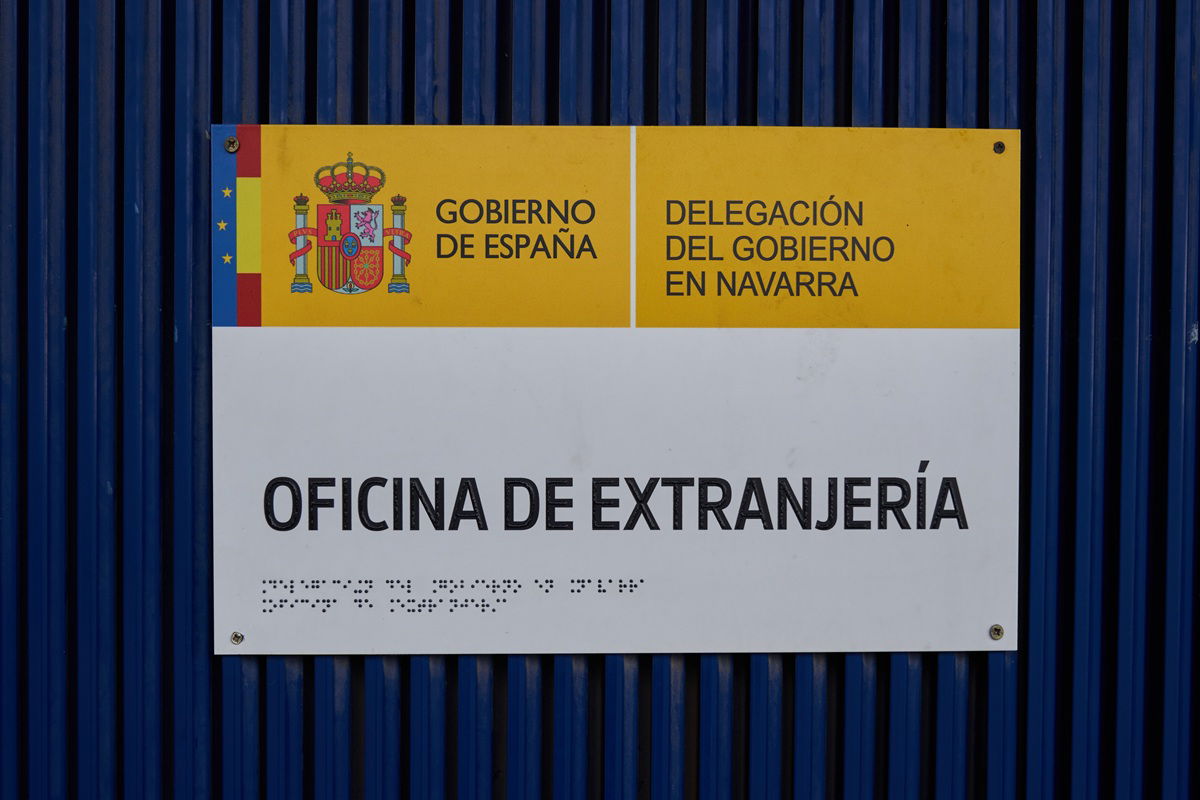
Spain plans new digital checks to stop the resale of immigration appointments.
Credit : Jose Gulias, Shutterstock
Anyone who has tried to book an appointment at an immigration office in Spain knows the feeling. You log on. You wait. You refresh the page. And then, in seconds, every available slot is gone.
For years, this has been the reality for thousands of migrants trying to renew residence permits, submit paperwork or simply stay on the right side of the law. Now, the Spanish government says it is working on a new system meant to tackle what many openly describe as a quiet black market for immigration appointments.
According to government sources quoted by Europa Press, the plan involves introducing an individual verification system that would link each appointment directly to the identity of the applicant. The aim is to stop appointments being booked in bulk and sold on to desperate users.
Most Read on Euro Weekly News
The idea could come into force in 2026.
A system that rewards speed – and money
The problem did not appear overnight. As online booking became the standard way to access Extranjería services, cracks quickly showed. Appointments were released in batches, often at predictable times. Those who knew how to exploit the system moved faster than everyone else.
Over time, informal networks learned how to block slots automatically. Appointments that ordinary users never even saw began circulating privately, offered in exchange for money. Prices varied. The result was always the same.
People without appointments waited. Some missed deadlines. Others lost job offers or legal status simply because they could not get through the door.
Support groups have long warned that this practice creates a two-speed system: those who can pay move forward, those who cannot are left behind.
What the government says it wants to change
Under the model now being studied, each appointment would be protected by a personalised code or digital key tied to the applicant’s identity. In theory, that would make it much harder for appointments to be transferred, duplicated or resold.
Officials believe it would also help the administration detect unusual booking patterns and identify possible fraud earlier. The system is still being designed, and no technical details have been published so far.
The government insists the goal is simple: ensure that appointments go to the people who actually request them.
2026 is mentioned – but nothing is fixed
For now, the measure remains at an early stage. The government has not ruled out launching pilot tests in the first quarter of 2026, but no firm calendar has been set.
That uncertainty is part of what worries migrant organisations. While many welcome the idea of individual verification, they also point out that technology alone will not solve the issue if appointment supply remains limited.
“There are not enough slots,” is a complaint heard repeatedly. Without increasing availability, critics say, any system risks shifting the problem rather than eliminating it.
Relief, but also caution
Among migrants, the announcement has triggered cautious optimism. For some, it feels like official recognition of a problem that has existed in plain sight for years.
At the same time, experience has taught many not to celebrate too soon. Similar promises have been made before, and delays are common. Until something actually changes on the booking page, daily life remains the same: refreshing screens, missed chances, growing anxiety.
If the verification system works, it could finally close the door on appointment resale and restore a sense of fairness. But for now, the black market remains, and appointments are still disappearing faster than most people can click.
For those waiting, the message is clear: the problem is finally being acknowledged. Whether it will truly be fixed is another question altogether.
Stay tuned with Euro Weekly News for more news from Spain