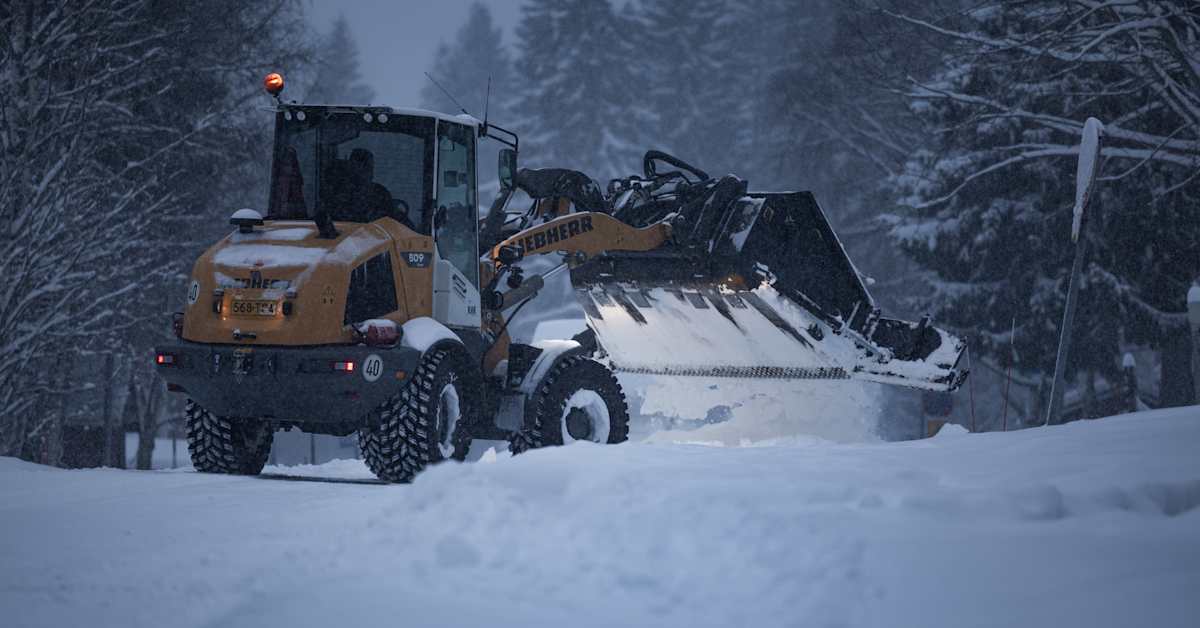
Not long after Storm Hannes subsided, Finland was hit by snowy weather, causing poor driving conditions in many areas.
Open image viewer
The Finnish Meteorological Institute (FMI) has issued warnings on Tuesday for potentially dangerous driving conditions in southern, southeastern and some western areas. Photo taken in Kajaani. Image: Juha Kemppainen / Yle Kajaani
About 17,000 households in Finland were still without electricity on Tuesday morning, following the powerful storm that took down trees and power lines over the weekend.
Storm Hannes reached Finland on Saturday, bringing down trees and power lines that caused tens of thousands of households to lose power.
As of Tuesday morning, power outages continued in more than 130 municipalities, mostly in Western Finland, according to Finnish Energy’s power outage map. The most affected town was Kristinestad (Kristiinankaupunki), where around 1,100 households were still without electricity.
Some trains still delayed
Train track repairs in Central Ostrobothnia have caused delays to some affected routes. The repairs are being done between Kokkola, on the west coast, and the town of Kannus, around 30km to the northeast.
Trees brought down by the storm damaged power lines along two sections of the tracks, but the trees and other debris have already been cleared.
Open image viewer
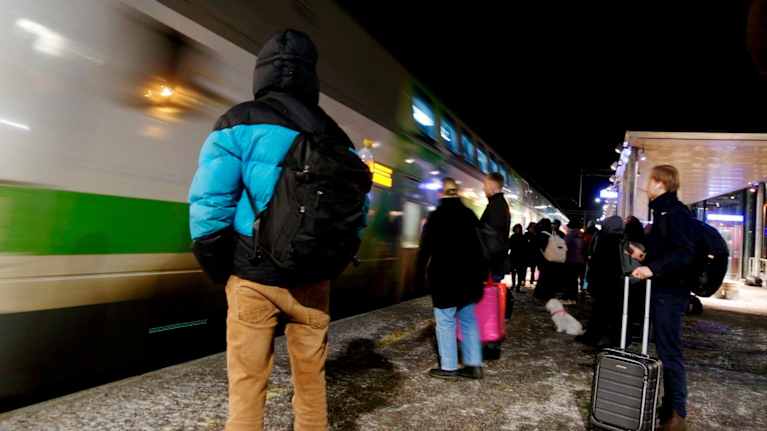
Passengers waited at Seinäjoki Railway Station for a late train arriving from Vaasa on Sunday. Image: Teemu Salonen / Lehtikuva
According to Fintraffic’s rail traffic unit, the repair work will likely be complete by Wednesday. It said that delays on some routes are likely, due to only a single track being in service on some stretches.
Rovaniemi Airport back to normal
On Monday, around 1,000 passengers at Lapland’s Rovaniemi Airport were still waiting for flights delayed by the storm — many of whom spent nights on the airport’s floor.
However, the vast majority of passengers were able to fly out later in the day, according to airport operator Finavia’s airport manager in Rovaniemi, Johan Juujärvi.
One of the passengers who were stuck waiting was Anamaria Jora, a tourist from England. She was returning from a weeklong trip to Rovaniemi with family and friends. But she and her family members ended up spending two nights at the airport.

Open image viewer
Anamaria Jora and her 10-year-old daughter Isabella started waiting for their flight home to the UK on Saturday, spending two nights on the floor. Image: Juuso Stoor / Yle
“The children had to sleep on the floor like they were homeless. We did not pay for this, I have demanded my money back,” she told Yle, vowing that she will never return to Lapland — at least through Rovaniemi Airport.
Finavia, which maintains the airport, contacted the City of Rovaniemi about providing accommodation for the stranded passengers because local hotels were fully booked, according to the City’s risk management chief, Johanna Aho.
She said Finavia ultimately decided against using the city’s emergency accommodation facilities because it opened the airport’s old terminal to use as additional space.
Snowy roads
On Tuesday, not long after Storm Hannes subsided, snowy weather is expected to cause poor driving conditions in eastern, central and southern areas of the country — at least until the afternoon.
The Finnish Meteorological Institute (FMI) has issued warnings on Tuesday for potentially dangerous driving conditions in southern, southeastern and some western areas. The affected regions include Uusimaa, Central Finland, Kymenlaakso, North and South Savo, North and South Karelia, Päijät-Häme and Åland.
Open image viewer
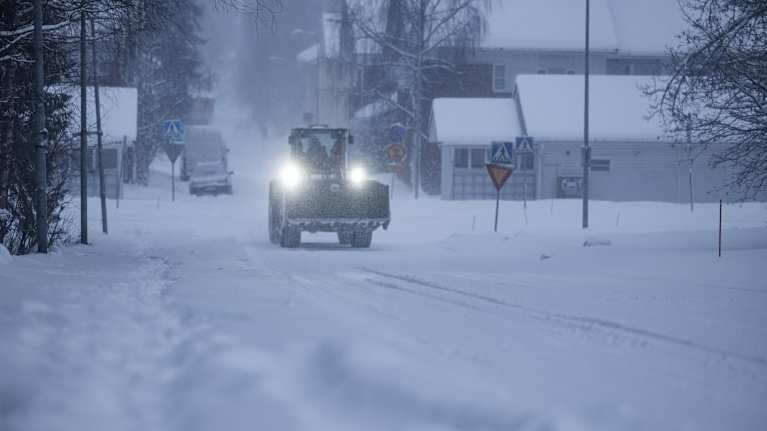
Kainuu received a lot of snow on Monday. Image: Juha Kemppainen / Yle
The agency also issued widespread warnings for dangerous or potentially dangerous sea conditions, due to high winds.
According to the FMI forecast, southern and central areas will see temperatures between -2 and – 10 degrees Celsius on Tuesday, while cooler conditions are expected further north.
In some parts of Lapland the temperature could drop to -25 degrees on Tuesday.