NEW DELHI – China’s BRI Environmental Damage Increasingly Hard To Ignore: Report COLOMBO – Ten years after its launch, the environmental costs of China’s Belt and Road Initiative (BRI) are becoming impossible to ignore, a report shows.
In the first half of 2025, BRI projects reached record levels, with $66.2 billion in construction contracts and $57.1 billion in investments. Of this, $42 billion went to energy projects, including oil and gas facilities. China also invested nearly $9.7 billion in green energy, but experts warn that fossil fuel growth far outweighs these efforts, casting doubt on Beijing’s green promises, the Sri Lankan newspaper ‘Daily Mirror’ reported.
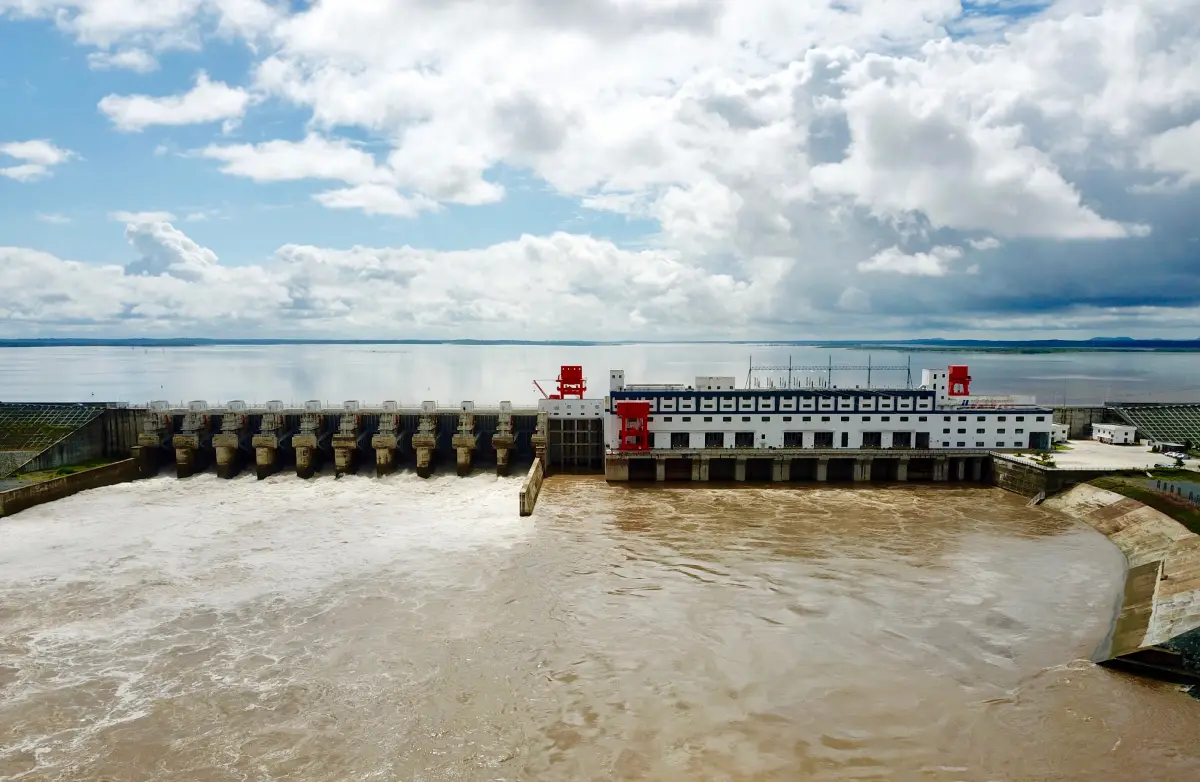
Environmental damage is widespread in host countries. Dams, pipelines, and highways have caused deforestation, soil erosion, and water pollution. Communities in Southeast Asia and Africa report destruction of critical habitats, threatening biodiversity. These impacts are systemic, reflecting a development model that prioritizes rapid construction over ecological safeguards. The Chinese Communist Party (CCP) often dismisses such concerns as exaggerated, but mounting evidence shows the consequences are real.
Critics argue that BRI 2.0 is largely greenwashing. China promotes the initiative as sustainable, but coal plants and polluting industries are being exported abroad even as domestic facilities are phased out. A 2020 study warned BRI projects could introduce over 800 invasive species, threatening ecosystems and agriculture in participating countries.
The CCP’s strategy shows a contradiction: while claiming global leadership in sustainability, it continues to expand fossil fuel and infrastructure projects that harm the environment. Many host nations lack the regulatory capacity to enforce environmental standards, and debt burdens from BRI projects limit investment in greener alternatives.
International watchdogs have increased scrutiny, noting that China’s fossil fuel spending still far exceeds renewable investments. Experts say this suggests Beijing’s sustainability claims are more rhetoric than action. (IANS)