Crypto ATMs faced heightened scrutiny in 2025, as authorities and lawmakers tried to confront a growing number of scams facilitated by these machines in the U.S.
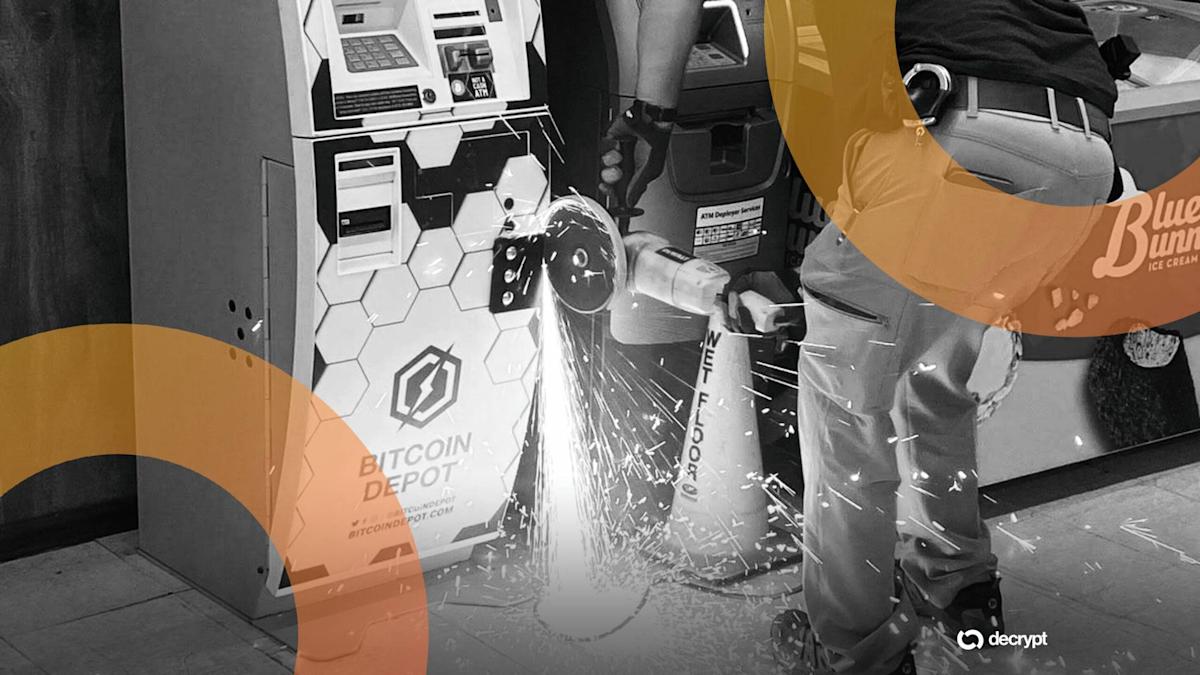
Some officials took matters into their own hands with power tools, while two attorneys general brought lawsuits against several of the biggest firms in the space. Meanwhile, agencies and other entities issued consumer alerts addressing the elderly.
Crypto ATM operators say their machines provide a valuable service, allowing anyone to buy digital assets like Bitcoin with physical cash. However, critics argue that these firms could do more to prevent older Americans from losing funds to scams—even if that’s bad for business.
Last year, Americans reported $246 million in losses from crypto ATMs to the Internet Crime Complaint Center, a 99% increase compared to the year prior, according to an annual report. Around 43% of those losses stemmed from Americans over the age of 60.
The scam is fairly straightforward: Older Americans are withdrawing cash from their bank accounts, converting it into crypto using operators’ machines, and then sending it to people who are impersonating the government, a business, or workers in tech support.
Still, some renditions are more creative than others, including a scam in Massachusetts where residents lost money to people demanding crypto payments for supposedly missing jury duty.
The irreversible nature of crypto transactions makes it challenging for victims to recover funds once scammers disappear, while the fine print of user agreements associated with these machines has emerged as another potential barrier in court.
Bitcoin ATMs Used for ‘Missed Jury Duty’ Scam, Massachusetts Police Warn
The Iowa Supreme Court, for example, found in two cases this year that a crypto ATM operator was entitled to keep the cash associated with fraud, because the company’s terms and services require users to say they own the digital wallet receiving funds—not third-parties.
“Once that transaction is completed, when the user inserts their cash and their crypto is funded into the wallet of their choosing, that ends our involvement in the transaction,” Chris Ryan, chief legal officer of crypto ATM operator Bitcoin Depot, told Decrypt in June.
Bitcoin Depot works with local law enforcement to track victims’ crypto, but by breaking into the company’s machines, Ryan said authorities are creating more victims, leaving them with damaged property and missing cash at least a dozen times a year.
Earlier that month, Jasper County sheriffs sent sparks flying when they cut into one of Bitcoin Depot’s kiosks at a rural gas station in Texas. In total, law enforcement retrieved $32,000 in cash, which Bitcoin Depot said actually belonged to them.
Story Continues