Hello,
This will be my first winter in Oslo.
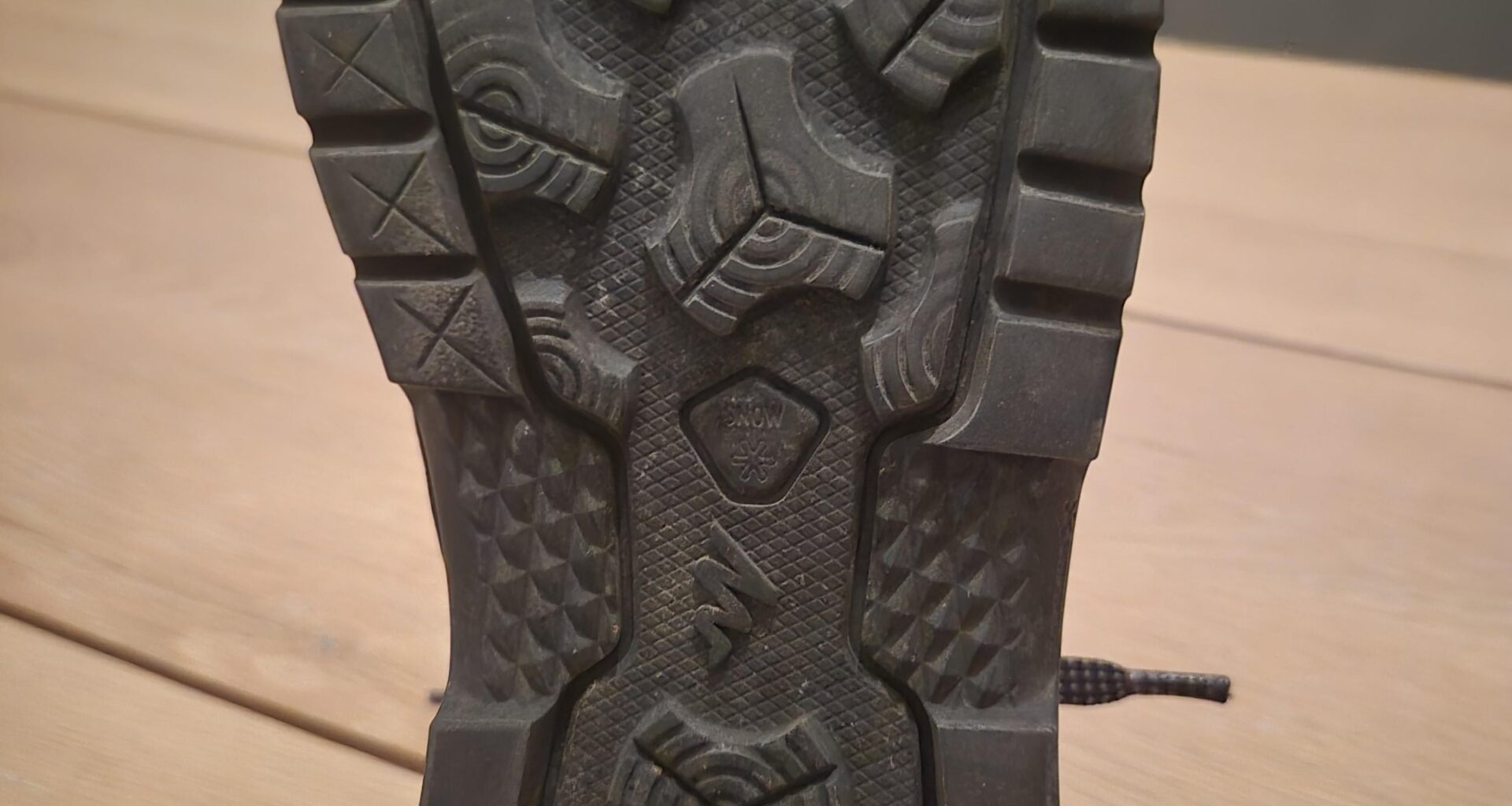
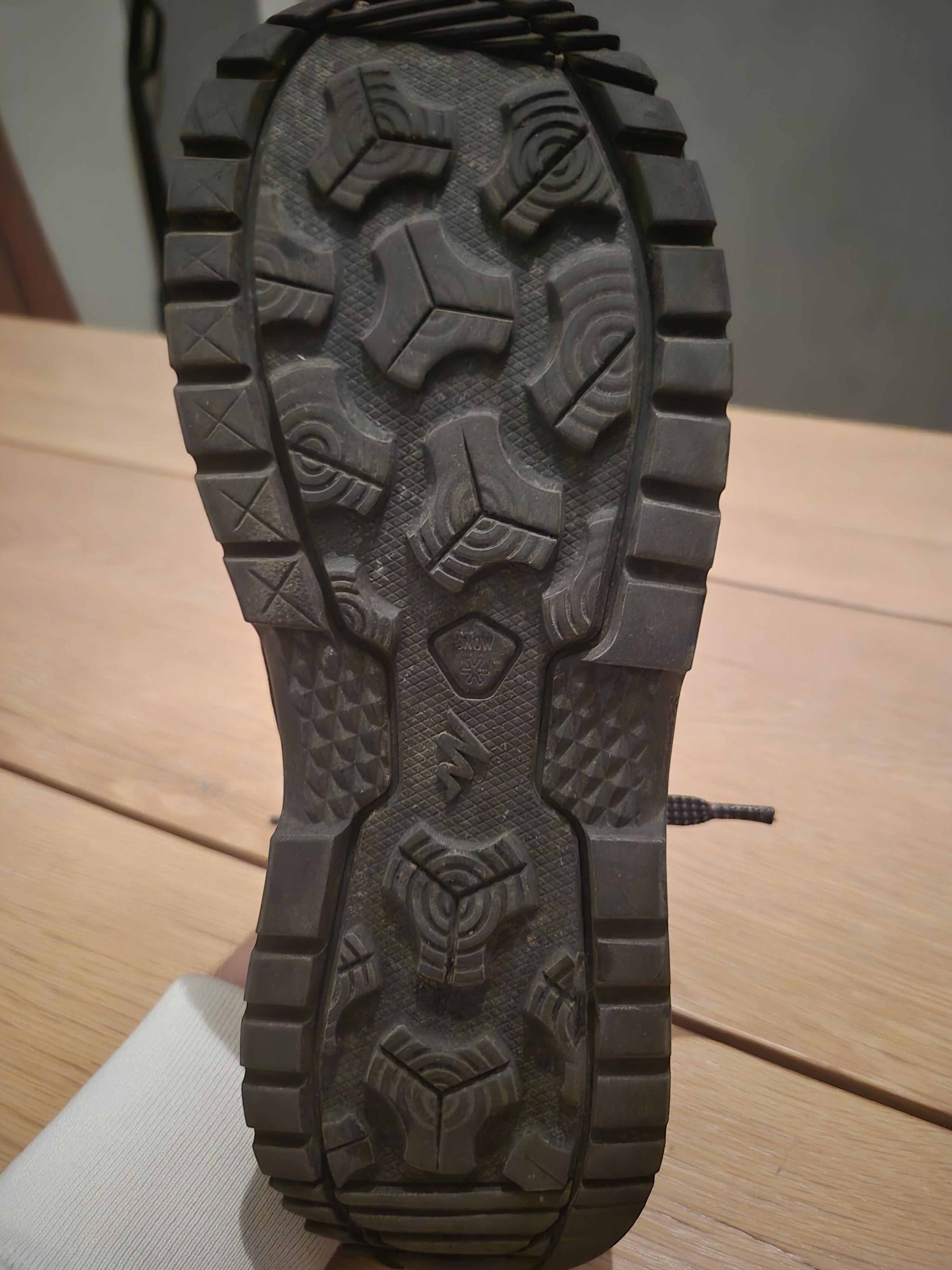
I’ve seen that temperatures are going to drop next week, and I was hoping to get your advice about these shoes.
My main concern is slipping on icy patches.
In your opinion, are this type of shoes suitable?
Thank you.
by Square_Positive_559
29 comments
Get ice spikes for when the ice is at its worst.
Get spikes. Norwegians will laugh at you, and then fall on their arse.
Yes. Native, and never used spikes myself, but that would be the next step.
As someone who fell down icy stairs yesterday and am extremely glad I did not break my arm, hip, or my skull (even though I hit them hard and bruised) I will tell you that rubber is most definitely not enough for ice. These will be good for snow, but I do suggest getting those removable ice cleats/spikes for the boots for icy patches.
Yeah, I think so. It won’t really snow or rain next week (as of today on YR), so this should be good. Depends as well if the shoes are warm enough. Usually I wear shoes made of vibram soles for good grip (many people just wear their sneakers, it really depends on your comfortability). But I just wear spikes when it’s too icy and remove them when I’m going inside an establishment or transport
For oslo, yes.
For literally anywhere else in norway, no.
Traction only helps so much on icy surfaces. My recommendation is getting shoes that have flippable spikes built into the sole. Much more useful than having to carry around spikes you need to take on and off your shoes when you walk inside.
They go by “vendbare brodder” in norwegian so you can look them up online.
Wide surface area on them is good. So depends on the rubber and your weight, you just have to try them out and see if they work.
For wet ice nothing works but metal spikes. Or trust your balance and hope for the best. You can buy detachable spike grips for shoes in every sports shop and a lot of other shops.
Yes, and buy some ice grippers. Not difficult to put on/off.
What do you plan to do?
You will probably be fine with those shoes unless there are a period with passing by the freezing point and getting slippery. The slippery point is when water freezes and not long afterwards when weather brushes the surface of the ice. I live somewhere there are longer winter than Oslo and do not use spikes at all.
Temperature staying way below frezing point means in general not slippery but stable not slippery walking.
GF walks more outside and invests in shoes with spikes.
If you want spikes, instead of new shoes just buy some spikes to add on to the shoes you have by rubber band. The best ones are better than most shoes with spikes.
I think that most winter boots will have sufficient enough grip for normal casual use. I’d be more focused on finding boots that are comfortable to wear with nice warm lining.
I use sneakers all year long and I don’t really struggle with ice slipping. My feet definitely gets cold though, when it’s really cold outside
That’s a sole. Looks like a good choice
We need to see the rest if you want a real answer.
Well depends on if we get snow at all. Looks kinda bleak as of now
As people has said, for the most icy conditions, you need spikes. Some years you can go without, other years they’re essential.
Also it’s important to walk right, there is a trick to it, not something we consciously learn, but your body kinda learns when growing up here. It’s about keeping your centre of gravity stable, and establishing you’ve got a foothold with traction for each step before proceeding (happens subconsciously for us and slows you down just a tad). Normal walking is kind of a series of controlled falls, that won’t do on black ice. Walk like a penguin, kinda.
Look fine to me. The key to walking on ice isn’t actually shoes or spikes though, it’s technique. How you shift your weight between your feet when you take a step, as well as how you move your hips, really makes a difference. It’s why most Norwegians will underestimate how difficult it is to walk on ice for non natives.
What ice? There aint any ice
You’re going to get super familiar with ice real quick.
Get the wrap on rubber spikes. You can find these at a pharmacy or usually quite a few supermarkets. Worst case scenario XXL guaranteed.
You’ll wear them in the dry and feel they’re very loud. It announces your newness to the natives. Heed no mind but it makes you self conscious.
You’ll wear them in the snow and ice and feel like Mercury or Legolas. And then you’ll see some Norwegian kids skip around frolicking like it’s midsommar and be puzzled…how are they doing that?!
You’ll find the spikes tedious at some point and think «huh, not that icy, only snow…should be fine» and go without spikes. Good treads (as pictures) and you succeed!
You’ll feel confident. You don’t need those training spikes. Sure you can’t run as fast as the natives but you don’t need to. And you can be proud of yourself for trying to fit in and integrate and the natives will be tickled too.
One day on the way to the supermarket, after a day of light melt, after sunset, you’ll stack it on some refrozen ice. You’ll recover the spikes, realise no one cares, and just as the Earth spins, you’ll just get on with it.
This was at least my story. I have good treaded shoes which are warm that I go spikeless with if it’s relatively fresh snow. I use the spikes if there is thaw and refreeze.
I’m doing Birken this year and maybe after that I’ll try spikeless again.
For the weather we’ve had so far this winter? Crocs are suitable /s
But yes, as others have said you’ll want spikes for really bad days. But other than that, as long as 1) it’s the decent kind of material that has traction and doesn’t cause you to slip on things like the paint of crosswalks and 2) they keep your feet warm then you’ll be just fine.
Worry more about your clothes than slipperiness.. -15 is COLD to be outside. Not per se slippery, especially in the city center. I was there today and there’s nothing slippery. Nothing. But dress warm, in layers, so you can take them off when needed. Also take some layers off when you go inside so you can acclimatise.
Depends, are these sandals with thick soles? Anyway, make sure the rubber is as soft as possible, some rubber soles get hard when its cold, and those are the worst.
Yeah but you’ll need the spikes just in case.
For ice, the grooves does not matter as much as the rubber compound.
Oslo is notoriously icy. No matter how good your sole is, ice will always be slippery. Spikes are the only thing that helps on icy days, which is like half of all winter days.
Its more about walking style then footwear imo
Lower center of gravety, knees a little bent anf just feel the ice, work with the ice, the ice is youre friend.
Also if and when you fall, fall correctly so you dont break anything.
I would suggest going to an ice skating ring and training before comming to Norway
I have shoes with 2 hinged spike frames on the sole. I just pull it out when needed and fold back in when not needed.
[https://www.hoppin.no/products/icewalkers-piggsko-vintersko-vendbare-pigger?srsltid=AfmBOooE9agy9Cv5-6wGpVLTOy0VO7gOF4vvLBB3D7uOR-FZ_zAOXlf_](https://www.hoppin.no/products/icewalkers-piggsko-vintersko-vendbare-pigger?srsltid=AfmBOooE9agy9Cv5-6wGpVLTOy0VO7gOF4vvLBB3D7uOR-FZ_zAOXlf_)
No they track shit everywhere
Pattern is only half the battle, the rubber need to be the right mix so it wont stiffen when cold. Stiff rubber is a real hazard.
There is no such thing as bad weather, only bad clothing” and SHOES
Well, many just walk around in trainers or sneakers in Oslo all year. And they are really good with snow removal. And there wont be much ice, that happens when there is a warm period followed with rapid freezing. Btw, all my normal winter shoes have less grip then that.
Comments are closed.