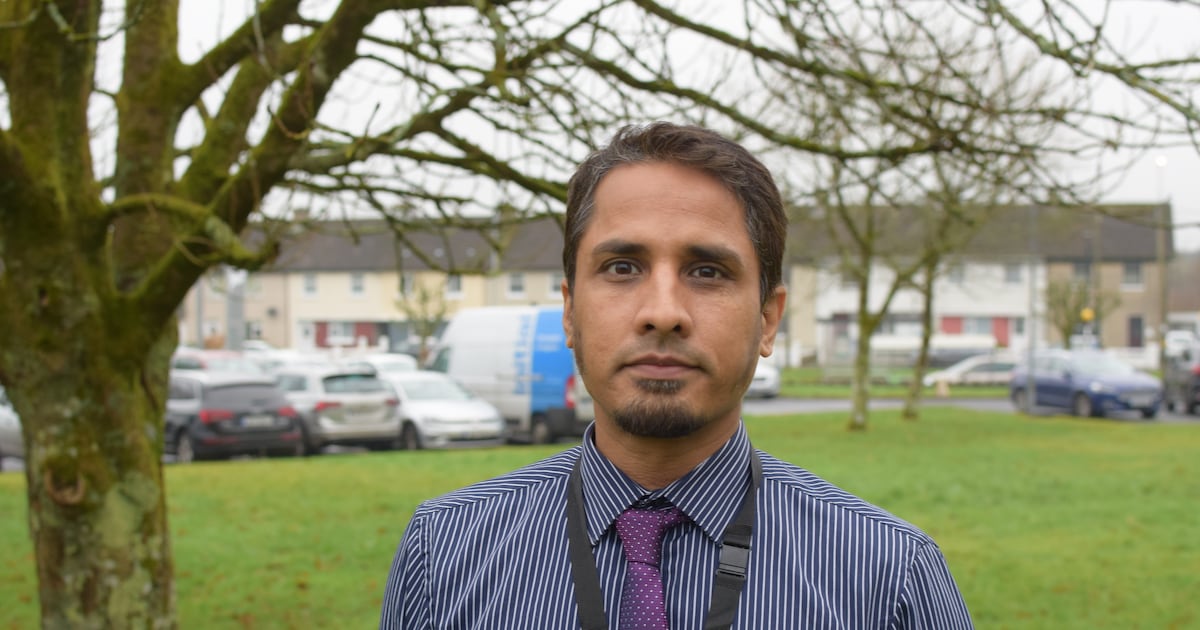
Migrant healthcare workers in Ireland are experiencing “anxiety, depression and safety concerns”, according to doctor representatives.
Dr Liqa Ur Rehman is the founder of the Irish Society of International Doctors and said the atmosphere of fear created by racially motivated abuse has led healthcare professionals to take steps to ensure their own safety.
He and other healthcare leaders say this is damaging Ireland’s reputation among healthcare communities around the world and may hinder recruitment to Ireland in the future.
In many towns across Ireland, Dr Rehman says, migrant doctors have formed private WhatsApp groups to help ensure their own safety.
Dr Edward Mathews of the Irish Nurses and Midwives Organisation (INMO) said healthcare workers are particularly vulnerable because of their working hours, often coming and going from work at “odd hours of the day and night”.
He said people “worry about coming and going from hospital community care areas”, causing some to modify their behaviour.
The trade union leader said he has heard from nurses and midwives who “group together when they’re moving to and from shift”.
Dr Rehman said he has received calls from “many” doctors across the country who have been verbally abused, threatened and physically assaulted.
The Castlebar-based paediatrician says he has himself been chased and threatened while walking in a park, and has had stones thrown at his home.
“There’s a huge fear, and safety concerns, in the community,” he said.
While he said racism is “not something new”, he feels “it has been newly empowered in the last few years”.
[ What are the new family reunification rules for migrant workers?Opens in new window ]
In August, following a number of violent incidents, India’s embassy in Dublin issued an advisory urging their citizens to avoid isolated areas at particular times and to take reasonable precautions for their personal security.
Days later, the INMO issued a statement saying racially motivated abuse of workers should not be tolerated.
 The health service relies heavily on migrant workers – according to the latest Government data. Photograph: Getty Images
Dr Mathews says since then they have “certainly seen a response, but we do think that more needs to be done in terms of a high visibility response for our members in communities and in their workplaces”.
He said there is legislation in place but there needs to be “high visibility prosecutions in appropriate cases” so unacceptable behaviour is dealt with “definitively and in a public way”.
The Department of Justice said: “The Government is determined to stamp out hate-motivated crime and protect vulnerable communities.”
A spokesperson said An Garda Síochána “takes hate crime very seriously” and every instance reported to them “is professionally investigated and victims are supported during the criminal justice process”.
They said hate crime laws have been strengthened through the introduction of the Criminal Justice Hate Offences Act 2024, and a new Migration and Integration Strategy for Ireland is being developed and due to launch next year.
The health service relies heavily on migrant workers – according to the latest Government data, 43 per cent of doctors obtained their first medical qualification in another country, with the largest cohort coming from Pakistan.
That figure rises to 52 per cent among nurses, with the largest group having originally been educated in India.
Dr Mathews said: “There is a clear understanding in the international community that there has been an uptick in the far-right and racist behaviour in Ireland.”
Dr Suzanne Crowe from the Irish Medical Council said Ireland has long had a welcoming and friendly reputation, with medical workers settling here for that reason – a message she said has “gone back to” other countries.
She said as medical professionals often move throughout their careers, they do not tend to “see geography as being a barrier, but they would see the type of society that they’re moving to as a barrier”.
If the current situation was to continue or increase, she warned: “We would start to see a fall off of the numbers of staff who want to come to Ireland.” – PA