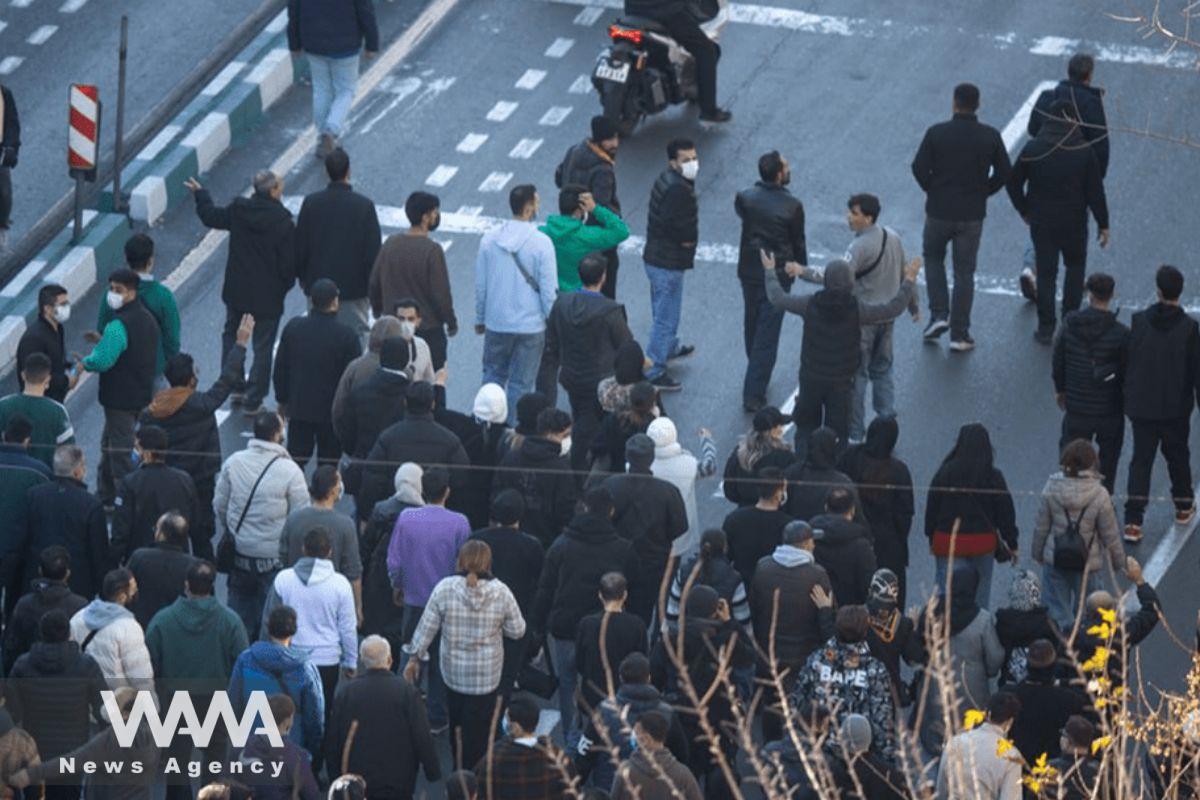
WANA (DEC 30) – Tehran’s Grand Bazaar witnessed a protest gathering yesterday, beginning at around 11:30 a.m. near Hafez Bridge and the Alaeddin Shopping Center in central Tehran. The demonstration later spread to Chaharsou, Lalehzar, Istanbul Square, and parts of Jomhouri Street. The number of protesters is estimated at 200-300.
Protesters cited sharp fluctuations in foreign exchange rates, soaring commodity prices, customer dissatisfaction, declining sales, and consequently shrinking incomes as their main grievances.
“With the dollar at this price, we can’t even sell a phone case. Officials don’t seem to care what exchange rates are doing to our lives… We had no choice but to protest,” said one mobile phone vendor.
Merchants argue that goods sold today cannot be repurchased the next day due to daily price increases. The prevailing atmosphere in Iran’s markets reflects a reality in which neither sellers nor buyers are satisfied.
In recent weeks, foreign currencies have reached record highs against the rial, while Iran’s national currency has sharply depreciated. President Masoud Pezeshkian, who is associated with reformist circles, has so far failed to stabilize the currency.
As protests intensified, the president was forced to replace the governor of the Central Bank. Many experts had long considered Mohammad Reza Farzin incapable of managing monetary volatility and supported Pezeshkian’s decision to change the bank’s leadership.

Tehran Faces Protests Amid Sharp Currency Volatility. Social media/ WANA News Agency
Political Slogans Rejected by Protesters
During the recent protests, some slogans were heard that went beyond trade-related demands. Small groups chanted political slogans ranging from “Reza Shah, may your soul rest in peace” to “Neither Gaza nor Lebanon.”
According to field reports, the majority of protesters opposed these chants and confronted individuals they viewed as infiltrators attempting to divert a trade-based protest into a political one. “This is not a political dispute among us shopkeepers. No one can hijack our protest and turn it political,” said a protesting merchant on Jomhouri Street.
A widely circulated video on social media shows a protester confronting a woman whose face was covered and who appeared to be attempting to incite unrest. He says, “Who are you? We don’t take to the streets. We don’t destroy things.”
Across nearly all interviews—ranging from field reporters to official state broadcaster IRIB—the protesters’ primary concerns remained currency volatility, disruption of daily trade, and uncertainty about the market’s future.
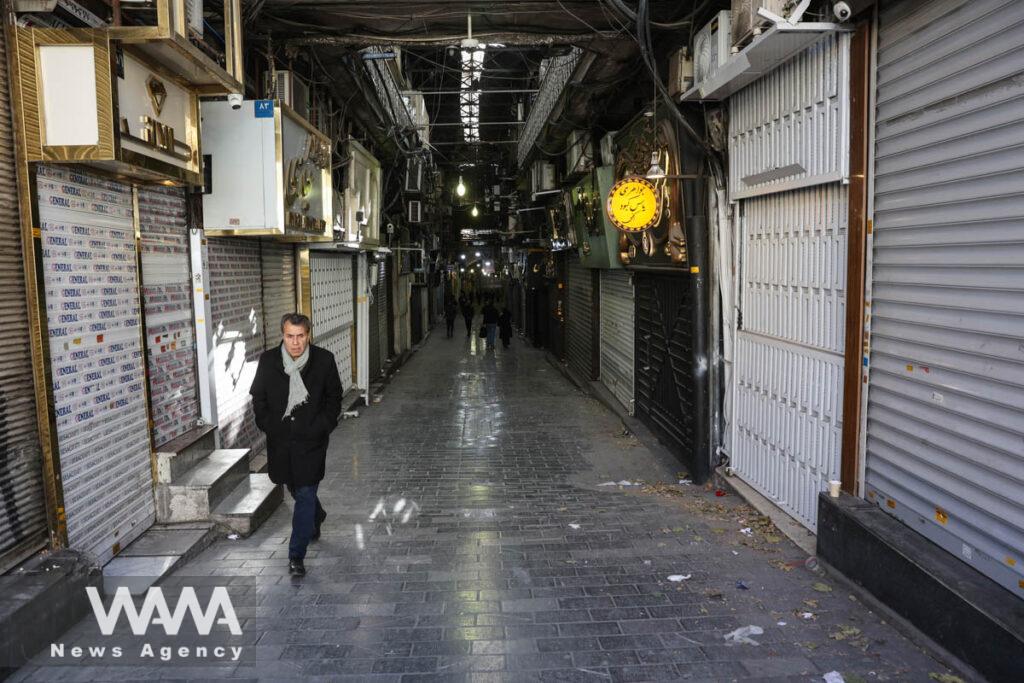
People walk past closed shops following protests over a plunge in the currency’s value, in the Tehran Grand Bazaar in Tehran, Iran, December 30, 2025. Majid Asgaripour/WANA (West Asia News Agency)
Calls for Escalation by Opposition Groups
Minutes after the protests began, Persian-language opposition media—many reportedly supported by U.S. and Israeli (Mossad) services—started broadcasting the demonstrations and urged people to join.
Reza Pahlavi, son of Iran’s former shah and currently residing in the United States, released a video message calling for public participation:“I call on all segments of society to join your fellow citizens who are in the streets,” he said.
The Mujahedin-e Khalq Organization (MKO)—designated as a terrorist group by Iran and accused of killing nearly 17,000 Iranians over the past five decades—also issued a call for street protests. The group is widely accused of pushing protests toward violence in recent years, leading to harsher police responses to otherwise lawful gatherings.
Former Israeli Prime Minister Naftali Bennett likewise released a video message urging Iranians to rise up, saying: “Stand up. The free world stands with you.”

This file photo shows Maryam Rajavi, the ringleader of the terrorist Mujahedin-e Khalq Organization (MKO) (C), former US President Donald Trump’s personal lawyer Rudy Giuliani (R) and former US senator Joseph Lieberman / Social media / WANA News Agency.
Security Concerns and Crowd Management
Iran’s Ministry of Intelligence warned of “organized cells seeking to shift protests from economic demands to chaos.”
A security analyst noted: “The goal is radicalization—turning the bazaar from a space of demands into disorder.”
Notably, bazaar merchants themselves reportedly identified and handed over anonymous protest leaders seeking to provoke violence. Protesters actively prevented escalation, signaling their determination to keep demands trade-focused and peaceful.
Reports indicate that police prioritized scene management and de-escalation, avoiding both excessive force and tactical withdrawal that could empower radical elements.
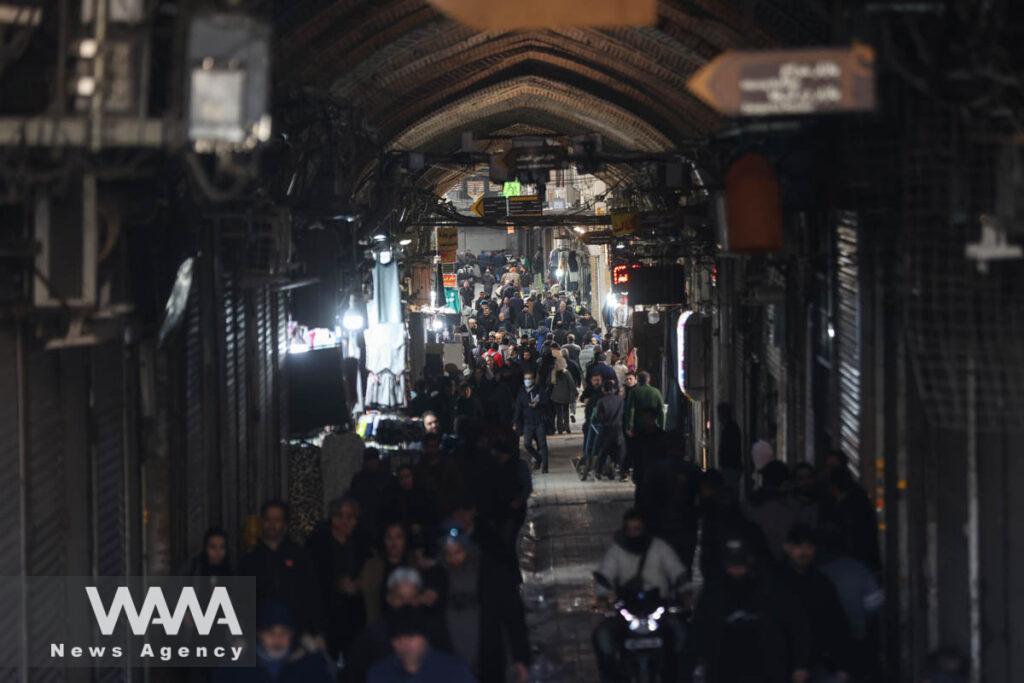
People walk past closed shops following protests over a plunge in the currency’s value, in the Tehran Grand Bazaar in Tehran, Iran, December 30, 2025. Majid Asgaripour/WANA (West Asia News Agency)
Official Responses
President Masoud Pezeshkian ordered the Interior Minister to engage directly with protest representatives, writing:“The livelihoods of the people are my daily concern. I have tasked the Interior Minister with listening to the rightful demands of protesters through dialogue.”
Parliament Speaker Mohammad-Bagher Ghalibaf acknowledged the legitimacy of economic grievances while warning against political exploitation:“Public protests over livelihoods must be addressed responsibly… but ill-wishers seek to turn every demand into chaos.”
Government spokesperson Fatemeh Mohajerani emphasized constitutional protections for peaceful protest:“We recognize people’s protests and reaffirm our commitment to peaceful assemblies, as guaranteed by the constitution.”
She added, “We understand the economic pressure caused by price volatility and its impact on livelihoods. These voices must be heard—bitter or harsh as they may be.”
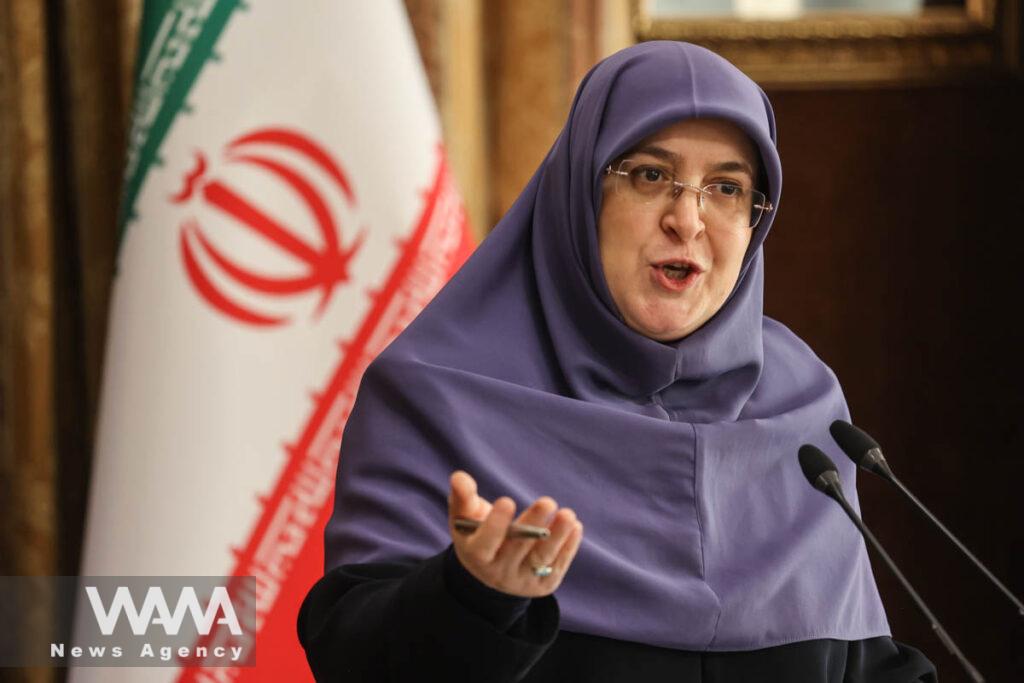
Spokesperson of Iran’s Government, Fatemeh Mohajerani, speaks during a press conference in Tehran, Iran, November 12, 2024. Majid Asgaripour/WANA (West Asia News Agency)
Social Media Reactions
Iranian social media reflected two opposing narratives. Some opposed protests during a period of heightened military threats from Israel and the U.S., while others supported merchants. “People are unhappy—and rightly so. If the dollar hits 140,000 tomans, business shuts down,” wrote one user.
Others warned against regime-change groups exploiting protests:“This is an economic protest. No one should try to turn it into Syria.”
A viral image of a lone protester sitting before a line of motorcycle police was quickly compared to China’s Tiananmen Square moment. Users dissected the image, with one noting signs of media choreography and staged leadership.
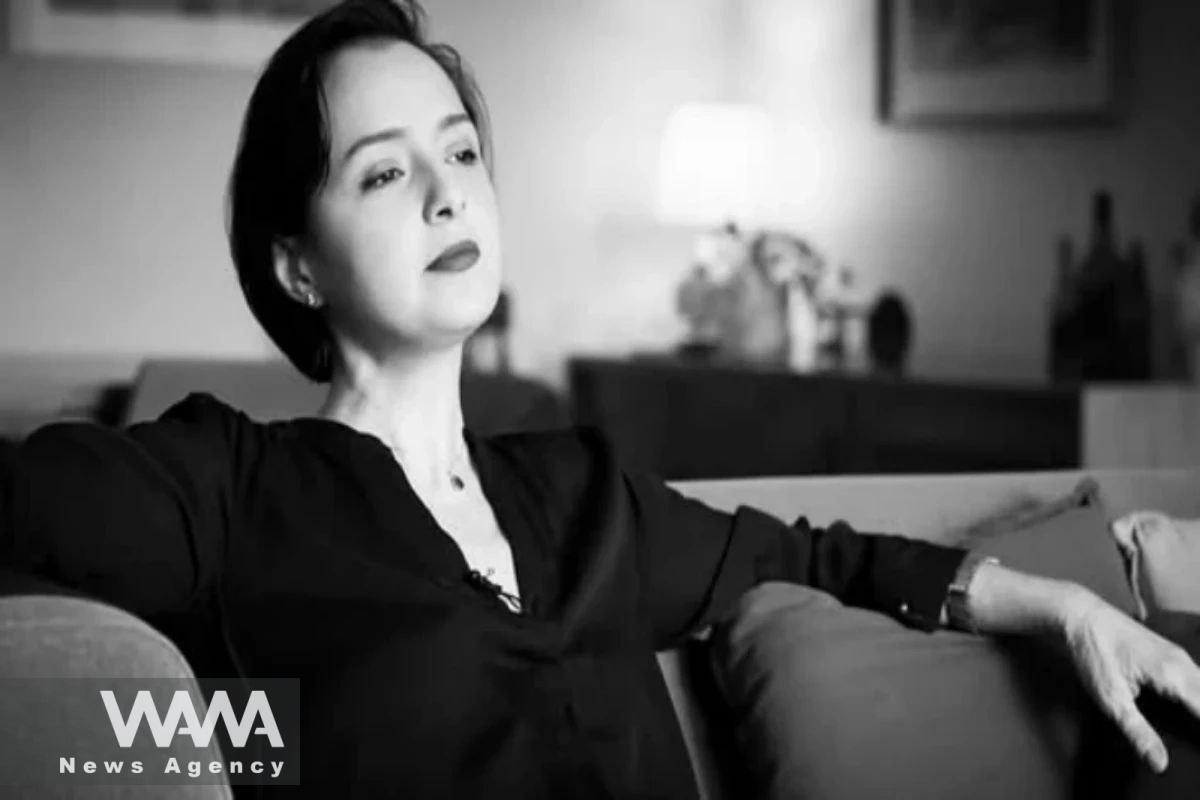 Taraneh Alidoosti: A Media-Manufactured Opposition?
WANA (Dec 29) – BBC Persian has recently released a documentary that was quickly circulated across social media: Taraneh—a cinematic portrayal of the life of Taraneh Alidoosti, an Iranian actress who, over the past four years, has transitioned from a cultural figure into a political one. The documentary is directed by Pegah Ahangarani, another […]
Is Israel Waiting for Unrest?
During Israel’s June 13, 2025, attack on Iran, leaders in Tel Aviv and Washington reportedly expected Iranians to welcome the strike and rise against their government. Instead, public sentiment largely rallied behind Iran’s leadership and demanded retaliation.
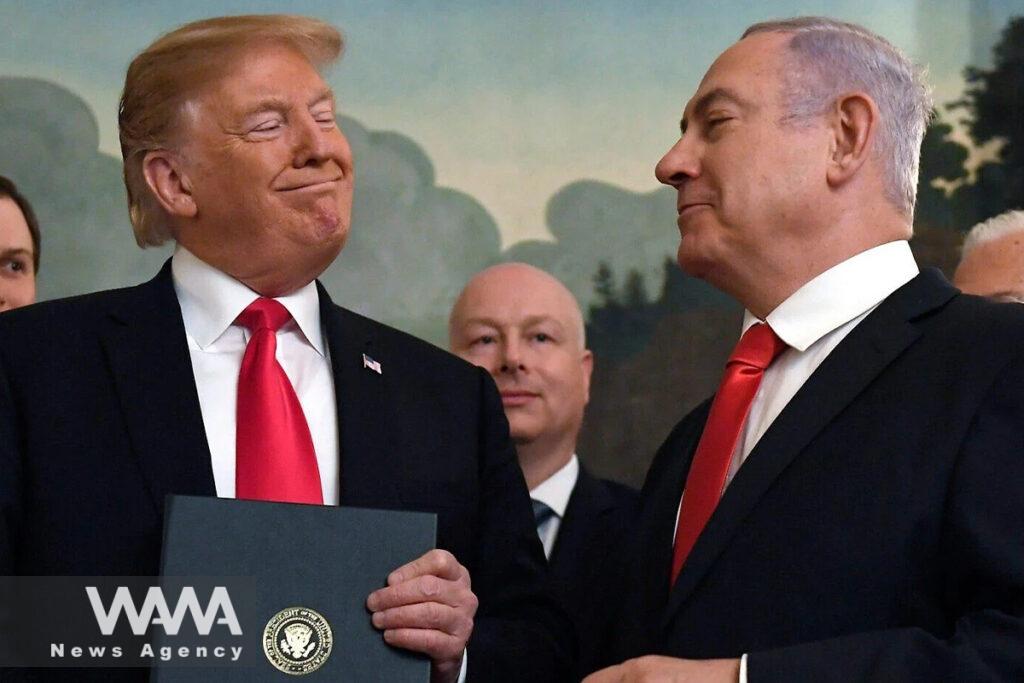
Following Netanyahu’s recent meeting with Donald Trump, Iran once again dominated discussions. Some analysts believe Netanyahu effectively secured U.S. approval for a future strike—pending favorable internal conditions in Iran.
Israeli-aligned analysts have openly argued that internal unrest lowers the cost of external military action. Hebrew-language media have repeatedly echoed the message: “Occupy Iran from within, then strike militarily.”
Mossad-linked analyst Menashe Amir stated: “The expansion of street protests could pave the way for a military attack on Iran.”
What Lies Beneath the Protests
Rather than “riots,” the Tehran Bazaar protest is more accurately described as a collision between economic reality and competing narratives.
If the government delivers tangible economic relief, the streets will likely empty. If not, broader and potentially violent protests may follow—an outcome favored by Tel Aviv and Washington.
As of Tuesday evening, December 30, 2025, a heavy police presence remains visible in central Tehran. No protests have been reported today. According to WANA correspondents, security forces remain on high alert.
Tehran believes Israel is actively seeking to organize and support future unrest. Iranian officials have already issued stern warnings to Israel and the United States.
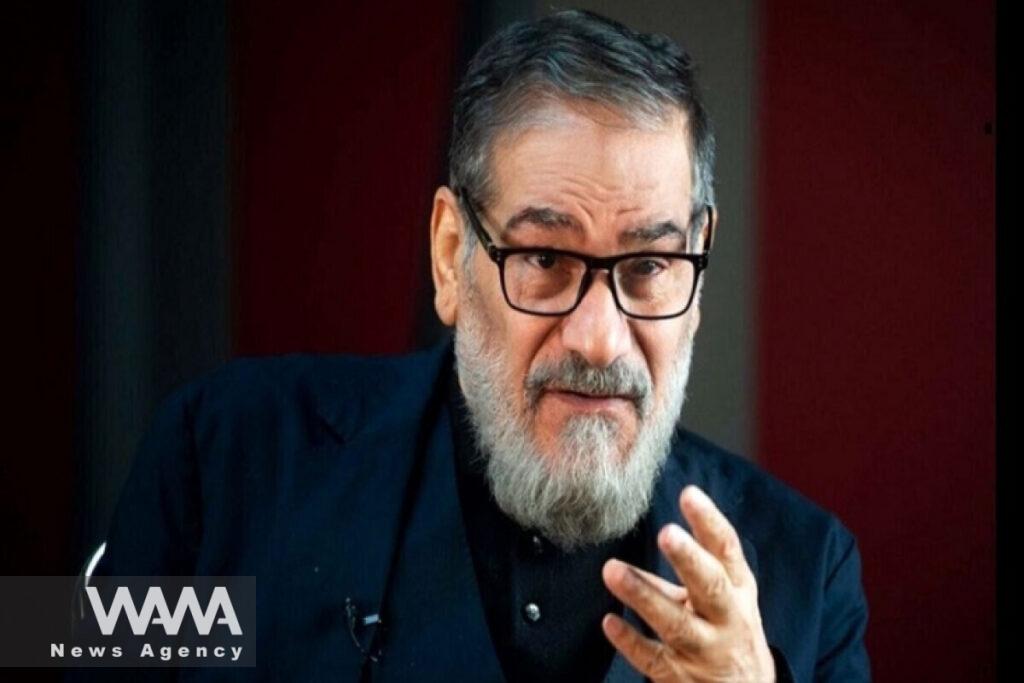
Ali Shamkhani, the Supreme Leader’s representative on Iran’s Defense Council. Social media – WANA News Agency
Ali Shamkhani, the Supreme Leader’s representative on Iran’s Defense Council, wrote on X: “In Iran’s defense doctrine, some responses are determined before threats are carried out. Iran’s missile and defense capabilities are neither containable nor permission-based. Any aggression will receive a hard, immediate, and unimaginable response.”
Will Iran initiate the next strike—or will Israel, with U.S. backing? The coming days may prove decisive.
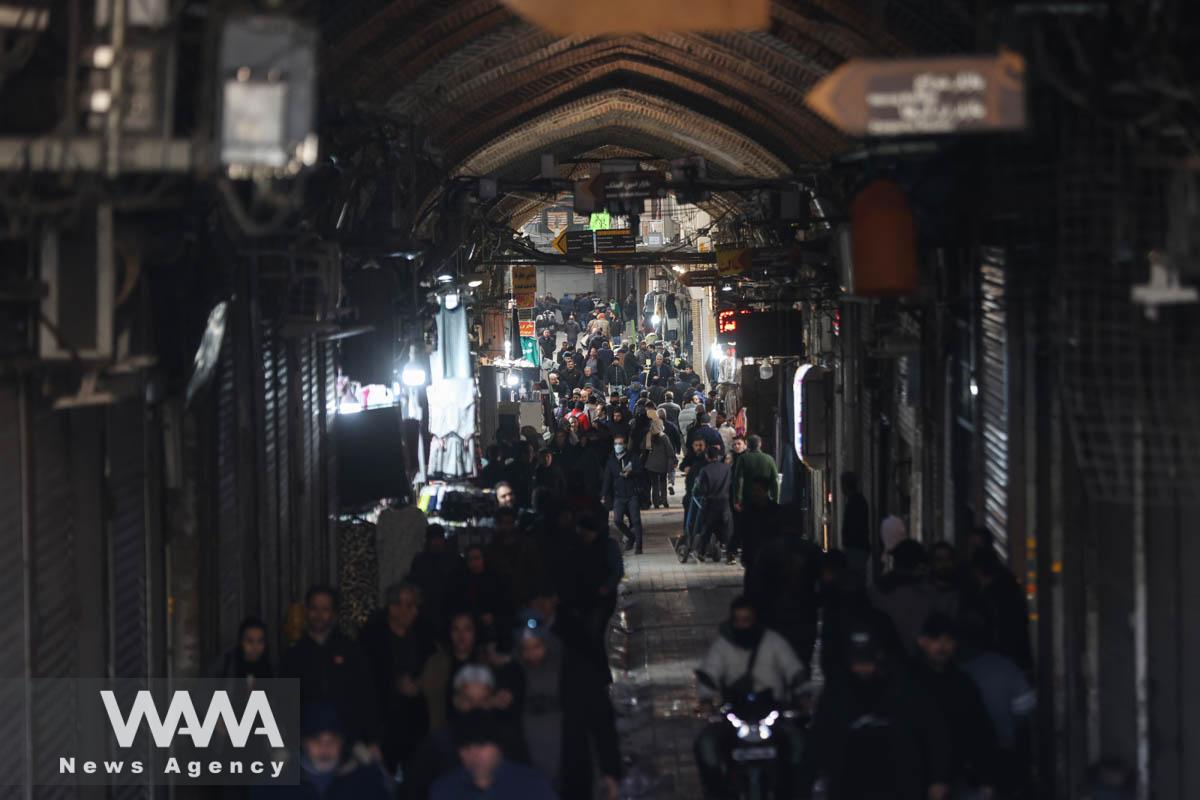 Tehran daily life on December 30, 2025