Published on
December 30, 2025

Slovenia has confirmed a major investment in its tourism infrastructure, with a €98 million order for a new passenger fleet designed to enhance travel across the country. The fleet will consist of modern buses and trains, aimed at improving connectivity between key tourist destinations, easing transportation, and making travel within Slovenia more accessible to international visitors. This investment is part of the government’s broader strategy to boost tourism in the country by upgrading its transport network and providing a smoother, more efficient travel experience.

The Role of the New Passenger Fleet in Slovenia’s Tourism Sector
The new passenger fleet will be a crucial part of Slovenia’s tourism infrastructure, facilitating travel between the country’s most popular destinations. Slovenia, known for its stunning landscapes, including the Julian Alps, Lake Bled, and the capital city of Ljubljana, has been a rising star in European tourism. With increased international interest in the country’s natural beauty, rich cultural heritage, and outdoor activities, there is a growing need for an efficient transport system to cater to both locals and tourists.
By expanding and modernizing its fleet, Slovenia is addressing the demand for more reliable and comfortable transport options for tourists. The fleet’s addition will enhance the experience of visitors who want to explore Slovenia’s countryside, charming cities, and coastal regions without the stress of navigating public transportation. Additionally, the upgraded transport network will help reduce travel times between destinations, improving overall convenience for tourists on tight schedules.
Connecting Slovenia’s Key Tourist Destinations
Slovenia’s new passenger fleet will primarily serve routes connecting the most visited cities and attractions. For instance, the modernized buses and trains will provide improved services between Ljubljana, Slovenia’s capital, and other major tourist hotspots such as Lake Bled, Piran on the Adriatic coast, and the beautiful caves of Postojna. These key destinations draw thousands of international visitors each year, making efficient and comfortable transportation crucial for maintaining a high level of tourism.
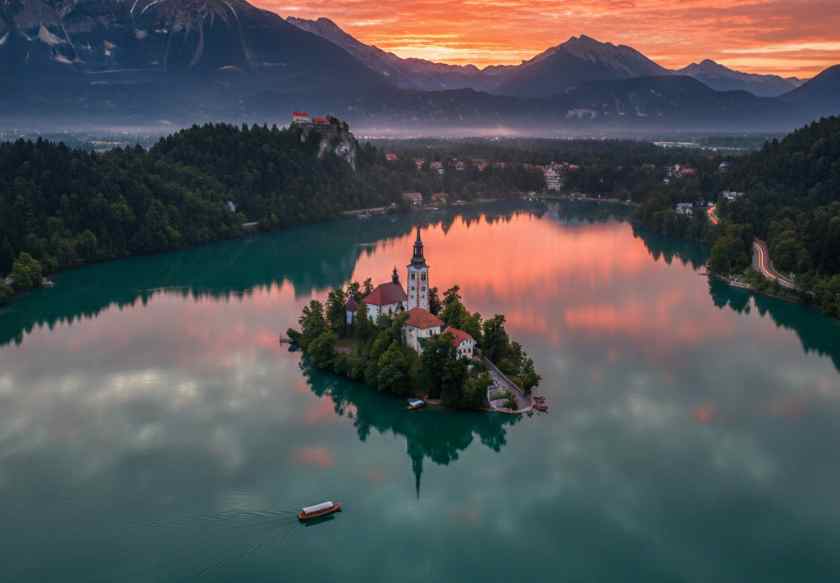
Lake Bled, known for its picturesque island and castle, is one of Slovenia’s most iconic tourist attractions. The upgraded fleet will allow tourists to easily travel from Ljubljana to Lake Bled in a short time, facilitating day trips or longer stays at the lake’s luxury hotels and resorts. The addition of new transport options will also make it easier to visit Piran, a historic seaside town, or the famous Postojna Cave system, one of Europe’s most visited cave networks.
These destinations, along with Slovenia’s other natural wonders like Triglav National Park and the Karst region, will benefit from better access, which in turn will help spread the economic impact of tourism more evenly across the country. By improving the transport links, Slovenia is ensuring that tourists can enjoy a wider range of experiences without the limitations of long travel times or inefficient routes.
Sustainable Travel and Eco-Tourism in Slovenia
Slovenia is also focused on promoting sustainable tourism, and the new fleet order aligns with this objective. The updated passenger fleet will incorporate modern, environmentally friendly technologies, such as low-emission buses and energy-efficient trains. As eco-tourism continues to rise in popularity, this investment will help Slovenia attract eco-conscious travelers who seek destinations committed to sustainability.
The addition of a greener transport fleet is part of Slovenia’s broader push to become one of the most eco-friendly destinations in Europe. By investing in energy-efficient and low-emission transport options, Slovenia aims to reduce the carbon footprint of its tourism sector, making it an attractive destination for environmentally aware travelers. This also aligns with global trends where sustainable travel and green tourism are gaining importance among tourists.
Economic Benefits for Slovenia
The €98 million investment in the new passenger fleet will have a far-reaching impact on the Slovenian economy, particularly in the tourism and transport sectors. By improving transport connectivity, Slovenia is likely to see an increase in the number of tourists visiting the country. As more visitors arrive and move between destinations with ease, local businesses, including hotels, restaurants, and retail outlets, are expected to benefit from the increased foot traffic.
In addition, the investment in the passenger fleet will create jobs in both the transport and tourism sectors, further supporting economic growth. The expansion of Slovenia’s transportation infrastructure will also enhance the overall quality of service, providing tourists with a more seamless travel experience and encouraging repeat visits.
Looking Ahead: Slovenia’s Vision for 2025 and Beyond
As Slovenia looks ahead to 2025 and beyond, the country’s tourism sector continues to develop, with this passenger fleet order representing a key step forward. With more tourists expected to visit in the coming years, particularly as global travel rebounds, the country is focused on ensuring that its tourism infrastructure can accommodate the growing demand for both local and international travel.
This new fleet, combined with Slovenia’s efforts to market its natural and cultural attractions, will further elevate the country as a top European destination. Whether for a relaxing stay at Lake Bled, a cultural exploration in Ljubljana, or an outdoor adventure in Triglav National Park, Slovenia’s diverse offerings and modern transport system will attract even more visitors.
The investment in transport infrastructure is not just about improving travel within Slovenia—it is a long-term strategy to make the country a more accessible, sustainable, and attractive destination for travelers worldwide. As new and improved services are rolled out across the country, Slovenia is poised to strengthen its position as one of Europe’s most appealing destinations for tourism in the years to come.
Conclusion
Slovenia’s €98 million investment in its passenger fleet represents a major step in improving its tourism infrastructure and enhancing the visitor experience. The new fleet will offer improved connectivity between Slovenia’s top destinations, reduce travel times, and provide environmentally friendly options for tourists. With tourism continuing to grow, this investment is set to have a lasting impact on the country’s economy, making Slovenia an even more attractive destination for travelers seeking culture, adventure, and sustainability in 2025 and beyond.