The Jubilee Year of Hope may have ended on the calendar, but there is every reason to believe its fruits will remain with us for years to come.
When Pope Francis called the Church to a Jubilee focused on hope, the timing proved both prescient and necessary. In a world shaped by war, polarization, and despair, hope was proposed not as a theme, but as a theological virtue to be cultivated and lived.
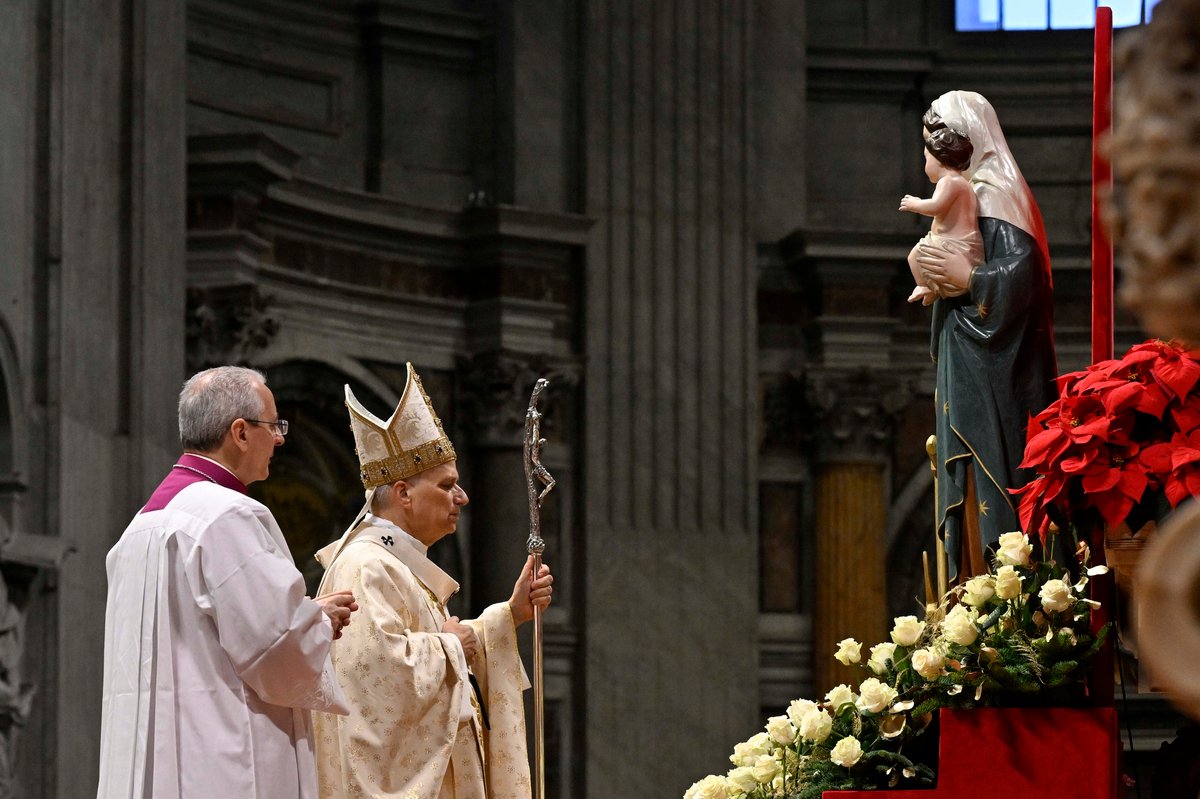
He pointed Catholics to Mary as its model. Reflecting on her suffering at the foot of the Cross, he wrote that “in the travail of that sorrow, offered in love, Mary became our Mother, the Mother of Hope.”
Over the past year, the invitation to hope has borne visible fruit, including within the Archdiocese of Vancouver.
The Jubilee did not erase suffering. The Lapu Day tragedy forced the local Church to confront grief and unanswered questions. But in its wake came testimonies of conversion, reconciliation, and renewed faith.
Across the Archdiocese, Catholics have shared their Year of Hope stories of prayer rediscovered, hearts softened, and communities drawn closer together.
It is clear that hope was never meant to be confined to a single year. What the Jubilee has accomplished is a kind of catechesis, teaching Catholics not only the importance of hope, but how to live it.
In his New Year’s message, Archbishop Richard Smith urges Catholics to carry the Jubilee’s graces forward, stressing that “hope, once received, must be lived,” and calling the faithful to become “diligent stewards of this hope in our daily lives.”
He invites the archdiocese to let “the fire of hope kindled during the Jubilee” spread outward through prayer, the Eucharist, parish renewal, and service, transforming lives and renewing the Church’s shared mission.
The same emphasis has been heard from Rome. Pope Leo XIV, reflecting on the Jubilee Year of Hope in recent days, prayed that its legacy would endure. He has pointed to hope as something that “sprouts” even amid suffering, something that must be protected like a fragile flame.
What emerges from these messages is that hope is not a mere moment for the Church. Of the three theological virtues — faith, hope, and love — hope seems to be acquiring a particular urgency. It reminds us that in a world that can often appear marked by hopelessness, God has not given up on us.
Your voice matters! Join the conversation by submitting a Letter to the Editor here.