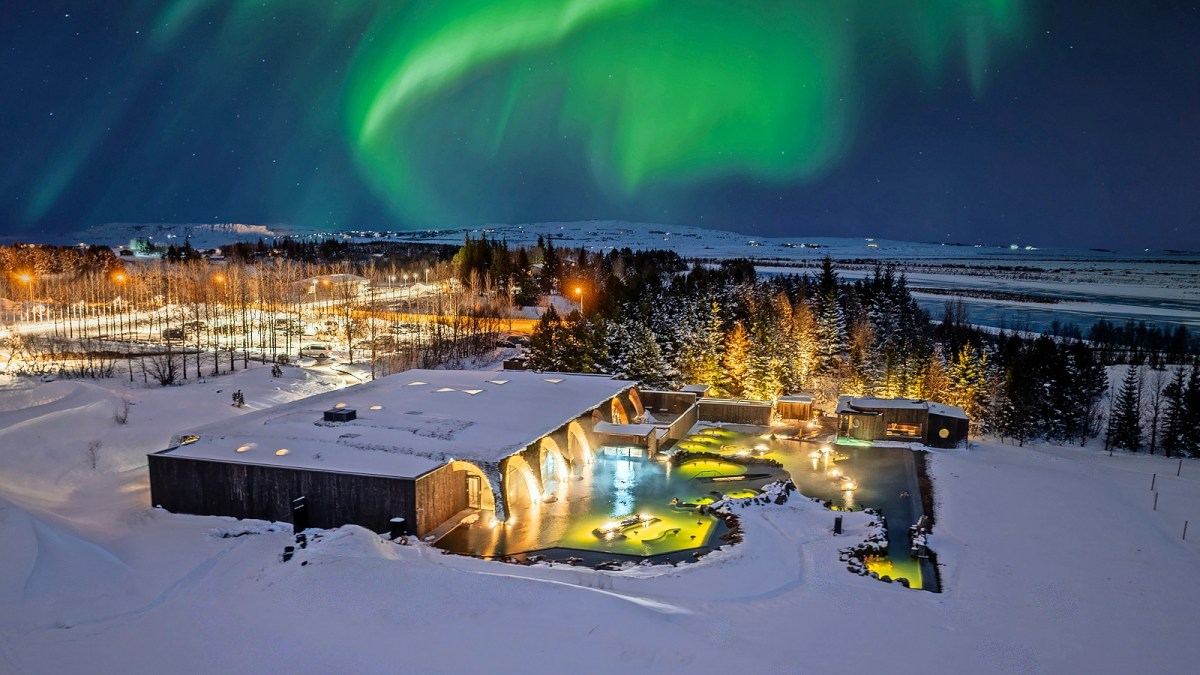
Seven years ago I submitted myself to what remains the most memorable spa treatment of my life, courtesy of an underwater massage at Iceland’s Blue Lagoon. My therapist, Hank, was a blond former US serviceman with bulging biceps, Baywatch hair and teeth so white they could probably be spotted from space.
The urge to giggle was constant. Resisting meant keeping my eyes closed. But that aside, the experience proved devastatingly good: two hours suspended in soothing geothermal waters, hailstones pinging off my cheeks, while I was stretched and kneaded into a state of near compliance by someone who felt less like a masseur and more a benign clawless lion.
When, at the finish, Hank ordered me to “go drink beer”, adding that it was purely for the electrolytes, it left me with a lasting respect for Icelandic hot water and a keen appetite for more. That’s why I’ve booked into Laugaras Lagoon, the country’s newest geothermal spa, which opened just two months ago.
It’s winter in Iceland and a wind sharp enough to make sightseeing feel like an extreme sport has been dogging me all morning. After a bitterly cold and tear-blurred trip around the Golden Circle, I am now sliding into the toasty geothermal waters at Laugaras. I’m barely half an hour from the tourist-popular natural wonders of Gullfloss, Geysir and Thingvellir, and about 58 miles east of Reykjavik, yet here all is calm, with only a handful of other visitors present. And in this pool, it’s just me, heat and the occasional puff of steam curling off the water.
Ahead, there’s a blur of snow-freckled peaks, and then, as if lifted from a lost David Lynch frame, the narrow 1920s bridge across the Hvita River, hunkering spectral white beneath a bruised sky. Wind licks across my face and neck, but my body is submerged in warmth. It is, in short, utter bliss.
• Discover our full guide to Iceland
Compared with the Blue Lagoon, Laugaras is significantly more modest in scale. Both are man-made, but Laugaras has a more tranquil atmosphere, a day pass costs from £41 rather than the Blue Lagoon’s £68, plus it is distant enough from the Reykjanes peninsula to avoid closures relating to seismic activity, such as those that took place from late 2023 to mid-2025.
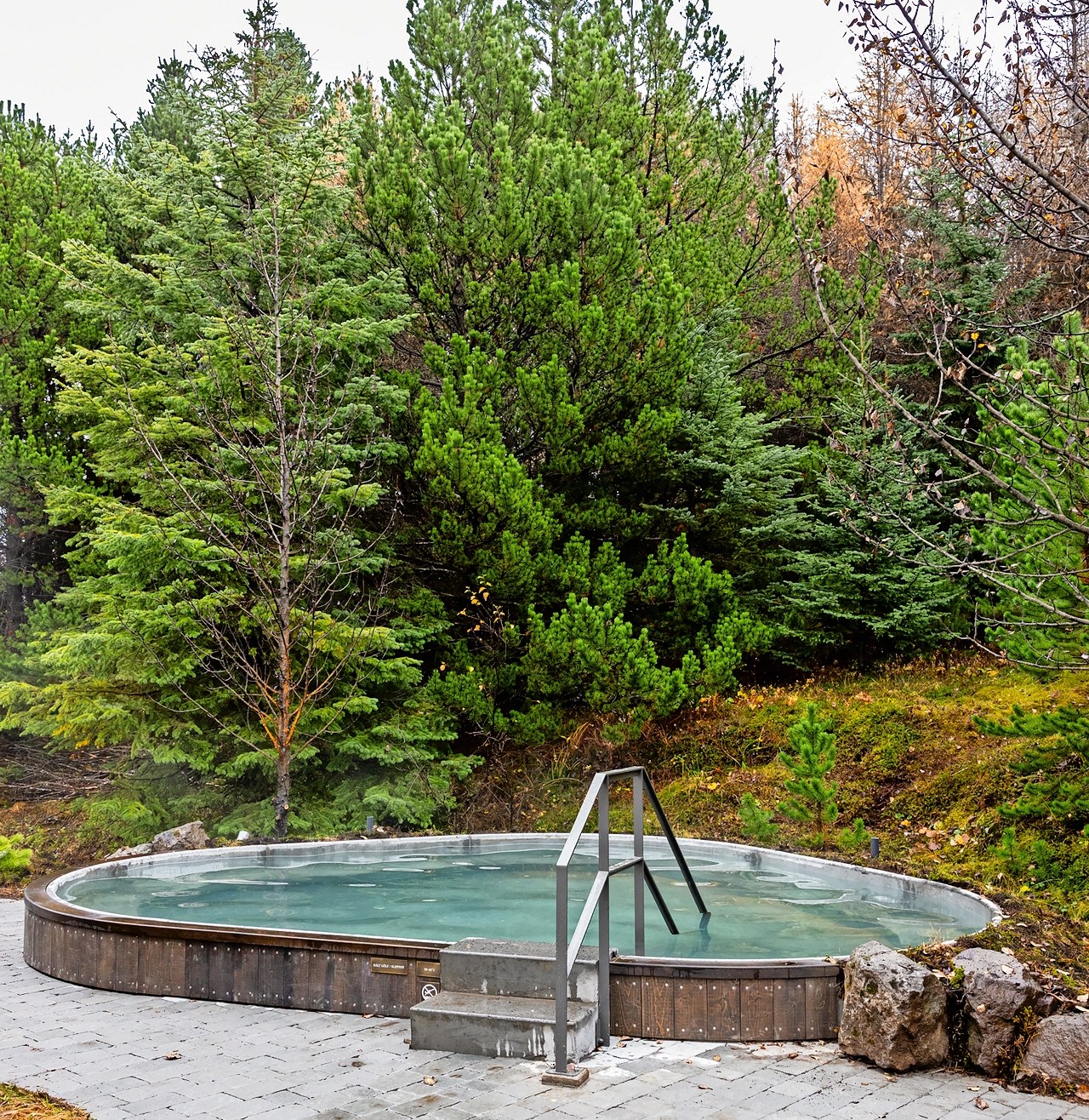
The forest pool of Laugarás Lagoon
HLIN ARNGRIMSDOTTIR
Designed to sit easily within the landscape rather than dominate it, the low-slung main building comes topped with a series of arched moss-covered roofs that nod to Iceland’s historic turf houses. Imagine a rustic Teletubbies house, but with heritage credentials.
• How to get the most out of a trip to Iceland’s Blue Lagoon
At the rear, a sequence of pools unfold across two levels. There’s a secluded horseshoe-shaped grotto encircled by basalt columns, and nearby, a cold plunge and an infinity pool. In a separate building, there’s a sauna and steam rooms.
Best of all is the waterfall linking the two tiers. Here, you step down into an oval of geothermal water, pausing briefly to enjoy the deafening slap of cascades, then, swimming through, you emerge triumphantly into the main pool, the landscape ghosted beyond an infinity edge.
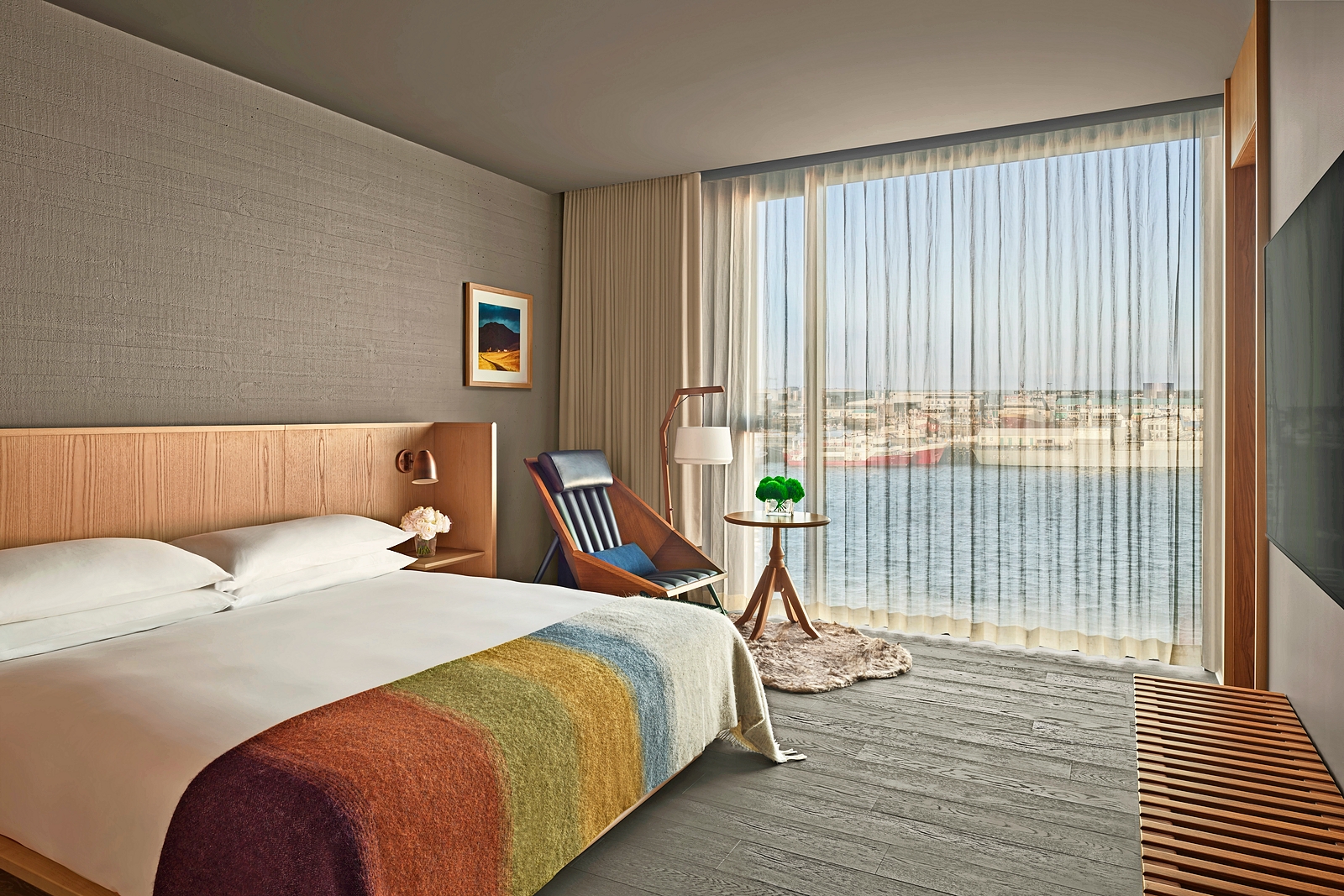
A Deluxe King Harbour View room
NIKOLAS KOENIG
As with several other of Iceland’s geothermal pools, Laugaras has a swim-up bar, where I order a signature Laugaras Highball made with Himbrimi Icelandic gin. Then, wind buffeted, glass raised and mascara running unattractively, I sloosh forwards, doubtlessly looking every inch like Ab Fab’s Patsy Stone on a soggy wellness retreat.
While there are no spa treatments at this point (though plans are afoot), Laugaras does have a showstopper in its Ylja Restaurant, helmed by one of Iceland’s leading chefs, Gisli Matt. Here, pretty-as-a-picture seasonal and locally sourced dishes are available throughout the day and evening.
• 17 of the best hotels in Iceland
A surprisingly great value restaurant
Soup boards and sandwiches carry you through lunch and afternoon, while à la carte and five-course dinners showcase Matt’s impressive skills, honed from his years at the acclaimed Slippurinn restaurant in the Westman Islands.
I opt for an early five-course dinner, kicking off with intensely flavoured Arctic char served with horseradish cream and herbal whey broth. A particularly delicious tomato carpaccio follows, with fermented tomatoes served atop a stracciatella-style local cheese and herbal oil.
Icelandic tomatoes are unforgettable. On previous visits I’ve tried them in various iterations, most memorably within one of the enormous geothermal-powered greenhouses that dot the island. Back then, I had a sweet, flavoursome tomato soup in the greenhouse’s café, accompanied by a pungent bloody mary, while around us loomed towering tomato plants. When we left, the greenhouse glowed gold against the darkening sky — a man-made aurora lighting the way home.
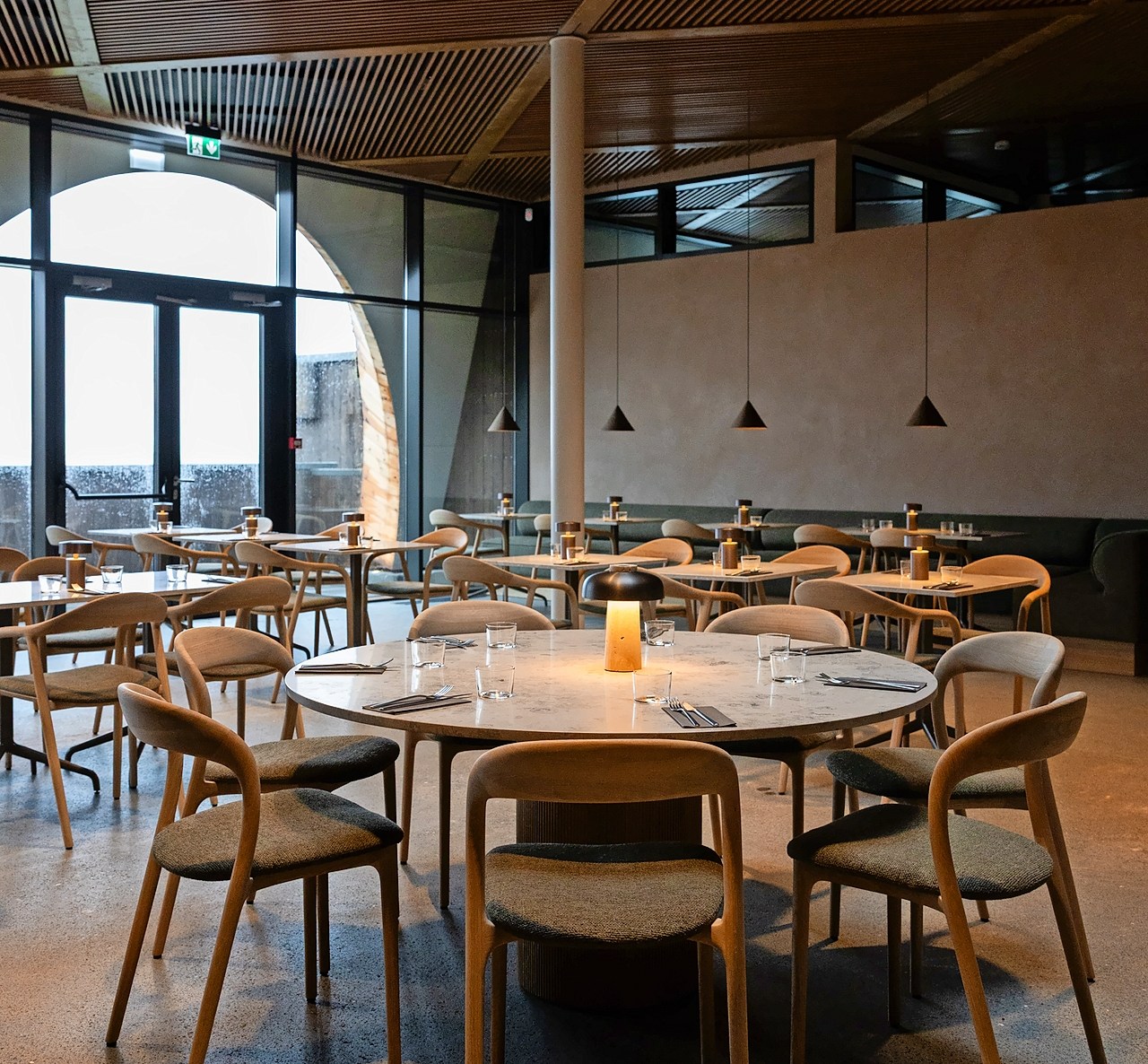
The relaxed decor of Ylja
HLIN ARNGRIMSDOTTIR
“Yes, we are very lucky with produce here,” Matt agrees. “Tomatoes and herbs grow so well, thanks to the ready supply of geothermal heat. And of course, there’s our beautiful fish,” he says, plonking down slow-cooked cod with fermented carrots and kale. And goodness, the taste of these fishy flakes feels like a party in my mouth.
Matt’s grilled lamb prime proves juicy and full of flavour. So too, his strawberries served with skyr. The big surprise, however, is the price. In what is a prohibitively expensive country, this set menu, at £82, represents decent value, as do the à la carte mains from £22.
I also warm to Ylja’s relaxed decor. Simple, pale wood furnishings spotlight the bright palette of Matt’s creations and this being a prime spot for unpolluted skies, huge picture windows allow for optimal northern lights gawping during dinner.
Alas, I am out of luck on the aurora front. A booked small-group northern lights tour is cancelled the following day owing to cloud cover and even my base at the Reykjavik Edition hotel, chosen for its aurora-alert wake-up service, cannot deliver. But that’s nature for you — and in Iceland’s winter season the weather has even deeper commitment issues than usual.
No matter. The hotel provides a perfect retreat from the elements. One evening, it lays on a complimentary masterclass in making old-fashioneds, while comfort comes in the form of mood-lit bedrooms, where Icelandic woollen textures and pared-back Nordic furniture echo the cosiness of the lobby bar’s central fire pit, ringed with reindeer throws.
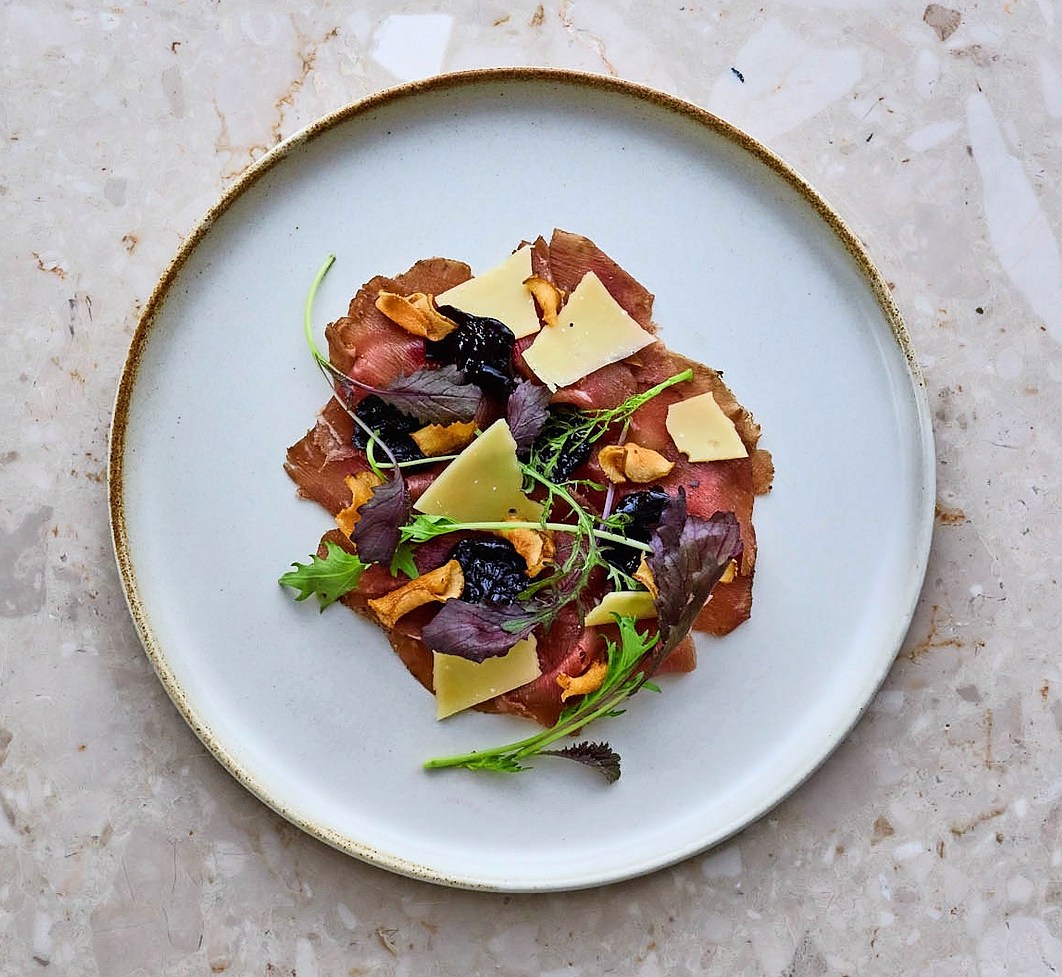
The Ylja Restaurant has seasonal and locally sourced ingredients
• 15 of the best things to do in Reykjavik
Sightseeing in Reykjavik
I’m also within easy reach of Reykjavik’s main attractions, though I avoid the heavily touted penis museum, imagining that, in these low temperatures, there’d be little to see. Instead, a blustery ten-minute stroll brings me to Hallgrimskirkja, the city’s main Lutheran church.
Rising from curved side-wings to a sharply peaked bell tower, the distinctive 1940s building suggests both an iceberg and an upside-down whale’s fluke. Inside, a soaring gothic-style nave is hushed and contemplative — unutterably tranquil — a masterpiece in architectural restraint.
Later, up in the bell tower, I peer down at a wintry scene of colourful clapboard houses backed by the teal-blue ocean. At three o’clock, the bell chimes out the hour — a bone-shuddering boom that sends the assembled crowd whooping and laughing.
The temperature drops further and I contemplate visiting another spa. Iceland has about 60 geothermal lagoons and spas, both natural and man-made, and with such strong competition, I can’t help wondering how Laugaras will fare in the future.
There are, admittedly, prettier lagoons and spas to choose from. The Blue Lagoon pulls in the punters with its mesmerising opalescent, silica-rich waters; Hvammsvik charms with its backdrop of sea, mountains and black sand; and Laugavallalaug compensates for its remoteness with a natural lake fed by a tumbling hot-spring waterfall.
Laugaras, however, plays a subtler hand to Iceland’s more famous lagoons. Intimate, and with that standout restaurant and its prime position on the Golden Circle, it will no doubt work best less as a destination and more as a calm, restorative full stop to an intense day of sightseeing.
Treatments may be absent right now, but one lives in hope that a benign, clawless lion is waiting in the wings.
Louise Roddon was a guest of Laugaras Lagoon, which has daily access from £41pp (laugaraslagoon.is); Reykjavik Edition, which has room-only doubles from £312 (editionhotels.com/reykjavik), and Get Your Guide, which has airport transfers to the city centre from £30pp and northern lights tours from £80pp (getyourguide.com). Fly to Keflavik