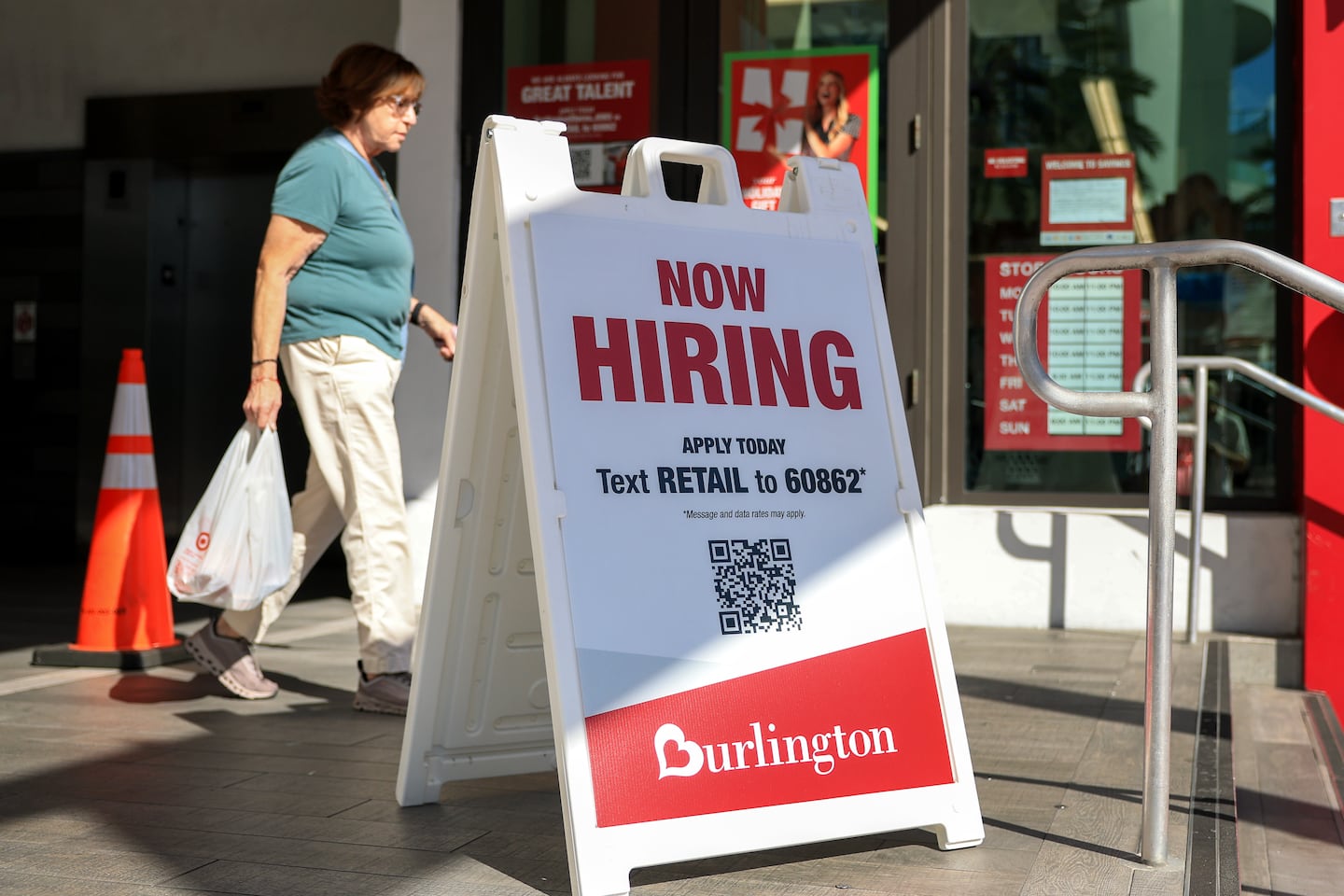
Here are six key takeaways:
‘Cautiously pessimistic’
Economic indicators like job numbers and inflation aren’t particularly alarming right now, yet people still don’t feel good about the economy. In other words, a vibe-cession persists. “I would call the mood, at least my mood, ‘cautiously pessimistic,’ ” Edelman said. “I don’t think things are going to fall apart, but they are slowing down and continuing to slow down as we head into the new year.
A recession is unlikely in 2026, but we’ve been wrong before
Edelman notes most economists don’t think there will be a recession in 2026. Bloomberg’s US Recession Probability Forecast puts the chances of a downturn at 30 percent, which is low.
But like economists, business journalists like to predict when the next recession might hit. Leung admits the only time she got it right was in 2020 during the height of the COVID pandemic. That’s only because the economy literally shut down. But Leung really did think President Trump’s tariffs would almost certainly send the economy into a recession this year. They did not.
“My economic ‘spidey sense’ has been off,” Leung said.
Consumer spending, which fuels 70 percent of the economy, is holding up so far, even during the holiday season. But as Edelman pointed out, there’s a growing divide.
“If you listen to the retailers on their conference calls with analysts after earnings, they are noting a bifurcation in consumer spending,” he said. “The Walmarts of the world, that cater to middle- and lower-income consumers, are seeing them hunker down, whereas the higher-end consumer is still spending a lot.”
‘Inflation’s not dead yet’
The inflation continues to exceed the Federal Reserve’s 2 percent target. Edelman thinks it was a bit of a risk for the Fed to cut interest rates a quarter point in December, but the central bank seems more worried about the job market, and lower rates could stimulate hiring.
“Inflation’s not dead yet,” Edelman said. “They decided to err in the favor of supporting the job market. Hopefully, inflation will not become a problem.”
Federal research cuts will continue to stress out the Massachusetts economy
The Trump administration’s threat to cut federal research grants at universities like Harvard and MIT will continue to force belt-tightening in two key pillars of the state economy: higher education and hospitals.
“Harvard cuts back, and MIT cuts back, and Boston University, and that sends a shockwave through the economy,” Edelman said. “People go out to dinner less. People shop less. People don’t renovate their kitchen. They put that on hold. People may not buy that new car.”
What to watch in 2026: AI and job numbers
Artificial intelligence will continue to have an outsize impact on the economy and the stock market. As widespread adoption of AI continues, the valuations of companies in the sector are soaring, and that’s helping to send the market to near record highs. But AI could also hurt hiring.
“You’re already starting to hear that employers are being more cautious because they’re just waiting to see how the implementation of AI goes before they hire real people,” Edelman said. “2026 will be when we see whether the job market is merely slowing down a bit and just kind of catching its breath, or whether we have a more serious downturn.”
Anna Kusmer of the Globe staff and Kara Mihm contributed to this report.
Shirley Leung is a Business columnist. She can be reached at shirley.leung@globe.com.