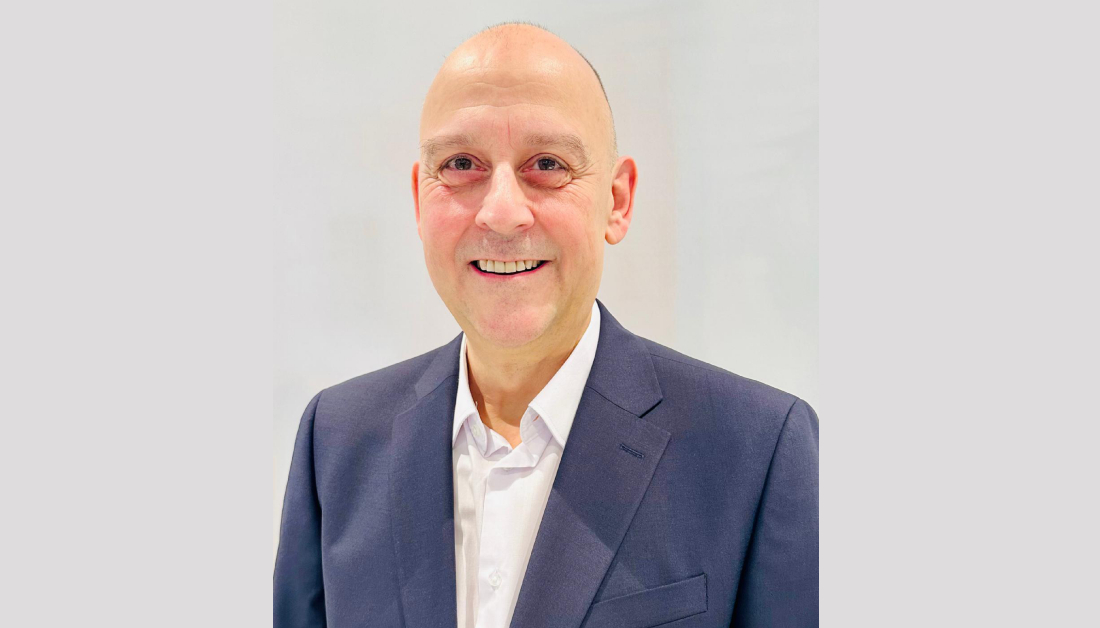
2025 was an important year for Servier Romania, as the company continued to strengthen its leadership in cardiology and venous disease, expanded access to oncology treatments, and advanced major public health initiatives. Under the leadership of General Manager Dr. Jan-Frederic Kesselhut, Servier Romania also broadened its role within the group by developing shared service capabilities.
By Anca Alexe

What were your company’s key achievements this year?
2025 was a significant year for Servier Romania. We launched Mission 2030, a major partnership with the Romanian Society of Cardiology that aims to raise the national hypertension control rate from 30% to 70% by the end of the decade. It’s a five-year commitment focused on medical education, early detection, and better patient monitoring—essential steps to help prevent strokes and heart attacks.

We also expanded access to oncology medicines, adding new therapies and extending prescription rights for additional indications. Oncology has become our third strategic pillar alongside cardiometabolic and venous diseases.
In parallel, we opened a shared services centre in Romania, which now handles accounting and procurement for several European countries. It creates new skilled jobs and strengthens our local expertise, demonstrating Servier’s confidence in Romania’s talent pool.

How important are ESG and sustainability aspects for your company today?

ESG is at the heart of Servier’s long-term Servier 2030 strategy, and it is built on three pillars: Patients, People, and Planet.
For Patients, we focus on access, innovation, and reducing health inequalities. Servier develops high-quality, innovative therapeutic solutions while ensuring that patients are considered at every stage of the medicine life cycle. Globally, the group ranks among the top pharmaceutical companies recognised for transparency and patient engagement, and we aim to continually improve access to care through initiatives such as ACT for Children, a global alliance promoting fairer treatment for children with cancer.
Under People, we prioritise diversity, inclusion, and employee wellbeing. Almost half of Servier’s managers worldwide are women,and in Romania, where as many as 65% of people management positions are held by women, we are consistently ranked among the best employers. Each employee is encouraged to dedicate at least two days a year to volunteer work for social or environmental causes.
For Planet, we aim to cut greenhouse-gas emissions by 42% by 2030; last year’s report already showed a 14% reduction. We are improving energy efficiency, switching to renewable electricity, and applying eco-design principles across our medicines and packaging.
What proved most difficult to navigate from a management perspective this year?
Romania is an exciting but unpredictable market, where rapid change is a constant. The main challenge has been maintaining stability and continuity amid evolving regulations and shifting priorities in the healthcare system. Servier’s foundation-based governance is a real advantage in this context, as it allows us to plan for the long term and remain consistent in our commitments, regardless of short-term fluctuations.
Another aspect is understanding cultural differences. Having worked in several Central and Eastern European countries, I find Romanians highly dedicated, motivated, and adaptable. Their focus on results and their ability to handle change make working here both productive and inspiring.
Which trends, shifts or risks do you expect to have the biggest impact on your industry in 2026?
Digitalization and artificial intelligence will shape healthcare globally. Patients are increasingly informed, so medical professionals must be prepared to engage in more complex, data-driven conversations. AI can support diagnosis and monitoring, but we must ensure it strengthens rather than replaces the human connection between doctors and patients. Preventive care will also gain importance, and partnerships between industry, medical societies, and public institutions will be essential. Through initiatives such as Mission 2030, we can help advance public health and strengthen healthcare resilience in Romania.
Dr. Jan-Frederic Kesselhut, General Manager of Servier Romania: Mission 2030 aims to raise the national hypertension control rate from 30% to 70% by the end of the decade.
How do you unwind after a demanding week?
I love travelling and exploring new cultures and although I’ve already been to many countries, I still have a lot of places on my bucket list. Since moving to Romania, I’ve been fascinated by Bucharest’s contrasts and energy. It’s a city that constantly reveals new layers. I also enjoy discovering the countryside and plan to see more of it next year.
What’s something interesting you’ve read, watched, or listened to recently?
Music remains my main inspiration. I often go to live concerts, up to ten a year. I grew up in the 1980s and still enjoy that era’s creativity—especially heavy metal, which may not be the genre people would associate me with considering my serious professional role, but it keeps me energised, even after long workdays.
What is one thing people might be surprised to learn about you?
Besides my love for heavy metal, people may not expect to learn that I’d like to write a book one day. Over the years, I’ve collected lots of stories from my travels and professional life—many of them funny, but each with a lesson behind it. I’d like to turn those anecdotes into something reflective yet entertaining, a mix of humour and insight drawn from real experiences.
Which public figure or thinker do you find inspiring right now?
I tend not to follow one single person. The world changes too quickly for fixed idols. I admire innovators who bring tangible progress, people who turn ideas into something that genuinely improves lives. Those are the examples that motivate me most.