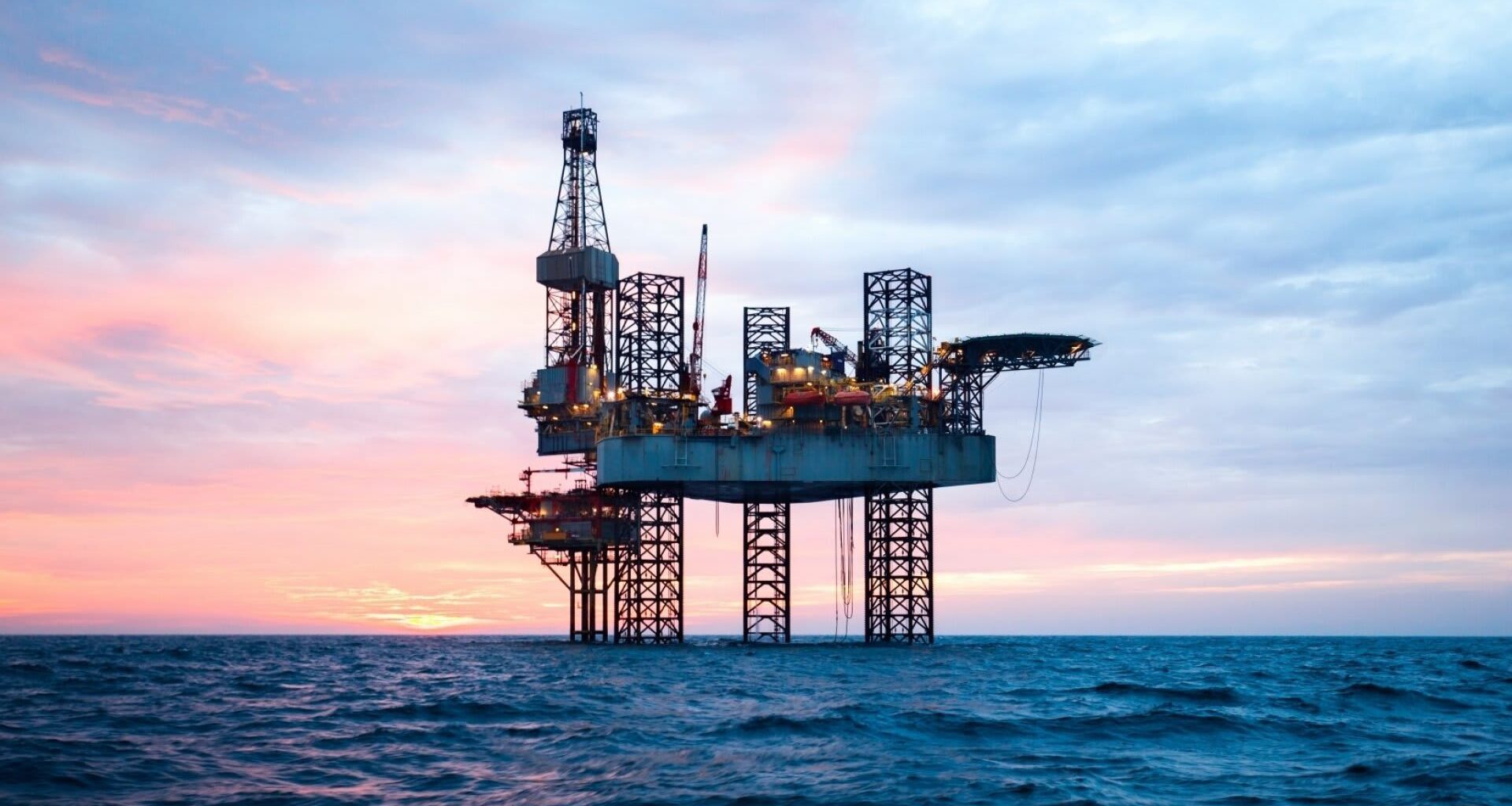
Egypt Oil and Gas Market
The Egypt oil and gas market is growing steadily, powered by rising exploration activities, government support programs, and strong partnerships with global energy companies. Oil and gas fuel Egypt’s power plants, transportation systems, and industrial facilities while positioning the country as a key energy player in the Mediterranean region. The Egypt oil and gas market size reached USD 71.0 Million in 2024. The market is projected to reach USD 104.3 Million by 2033, exhibiting a growth rate (CAGR) of 4.37% during 2025-2033.
Egypt’s oil and gas sector contributes roughly 24% to the country’s GDP. The nation holds proven reserves of 3.6 billion barrels of oil and 75.5 trillion cubic feet of natural gas. Currently, over 50 international companies operate exploration blocks across the Mediterranean Sea, Western Desert, Gulf of Suez, and Nile Delta. The massive Zohr gas field discovery—the largest ever found in the Mediterranean at 30 trillion cubic feet—has changed Egypt’s energy landscape and attracted significant global investment.
What’s Driving Market Growth
Strong Investment in Exploration
International oil companies have committed over USD 17 billion for Egyptian exploration and production through 2030. Major players like Eni, BP, Shell, Chevron, and ExxonMobil are accelerating their drilling programs. Eni pledged USD 7.7 billion over four years, while BP committed USD 3.5 billion for a three-year program. Between July 2024 and May 2025, the Ministry of Petroleum drilled 75 wells, leading to 40 new oil and gas discoveries. These discoveries added 190,000 barrels of crude oil daily and 1,100 million cubic feet of gas per day to Egypt’s production.
Government Reforms Making a Difference
The Egyptian government has cleared USD 1.5 billion in debts owed to international oil companies, reducing total outstanding payments from USD 6.3 billion to approximately USD 850 thousand. This payment clearance removed a major roadblock that was preventing new investments. The government also revised production-sharing agreements to make projects more profitable and introduced a digital portal that speeds up licensing approvals. These changes have made Egypt much more attractive for oil and gas investments.
Mediterranean Offshore Development
The success at the Zohr field has sparked a wave of new Mediterranean exploration. Eni restarted drilling at Zohr in January 2025, with the field currently adding 60 million cubic feet per day to production. QatarEnergy completed a deal in November 2025 to acquire a 40% stake in Egypt’s North Rafah exploration block. ExxonMobil signed an agreement in November 2025 to expand exploration in the Mediterranean, including a new area west of the Zohr field. Offshore projects are reshaping Egypt’s oil and gas profile toward deeper water opportunities.
Building a Regional Energy Hub
Egypt is using its strategic advantages—the Suez Canal, SUMED pipeline, and two LNG export terminals with 12 million tons per year capacity—to become a regional energy hub. The country aims to serve European markets looking for diverse gas supplies. Egypt extended its gas import deal with Israel until 2040, under which the Leviathan Field will sell approximately 130 billion cubic meters of gas to Egypt for USD 35 billion. The country has also added three Floating Regasification and Storage Units, with a fourth planned, to ensure reliable energy supply.
Request a Sample Report with the Latest Data & Forecasts
What the Opportunities Are
Developing Smaller Gas Fields
Egypt has significant untapped gas in marginal fields across the Western Desert and Gulf of Suez. Recent regulatory improvements have made these previously uneconomic reserves commercially viable. Companies can now focus on enhanced recovery techniques and connecting smaller fields to existing pipelines and processing facilities.
Using Advanced Technology
New technologies like three-dimensional seismic imaging, horizontal drilling, and AI-driven reservoir management are cutting costs and improving efficiency. Companies using AI for reservoir management report cost savings in the double digits. Egypt’s Oil and Gas Sector Modernization Programme actively encourages these technological upgrades.
Maximizing Export Infrastructure
Egypt’s LNG export terminals at Idku and Damietta were underused during recent production decline periods. As production recovers, these facilities are generating more foreign exchange earnings. There’s room to process imported gas from Cyprus and Israel and position Egypt as a liquefaction hub for European markets.
Renewable Energy Projects
Egypt targets generating 42% of electricity from renewable sources by 2030. The government allocated EGP 100 billion from the private sector for solar and wind projects that will add 4.2 gigawatts of capacity. Oil and gas companies can use their project expertise to participate in this energy transition while maintaining gas-fired power as backup.
New Exploration Rounds
Egypt announced plans in October 2025 to offer four offshore blocks in the Red Sea for international bidding. The Ministry’s five-year strategy targets 480 new exploration wells and USD 5.7 billion in investment, with 101 wells assigned for 2026 alone.
Recent News and Developments
October 2025: Egypt awarded three exploration contracts worth over USD 121 million. UAE-based Dragon Oil secured the East El-Hamd concession with USD 40.5 million committed to drill three wells. Perenco Egypt obtained a USD 46 million contract for the North Sinai Offshore area. Apache Egypt received five Western Desert blocks, committing USD 35 million to drill 14 wells. November 2025: ExxonMobil signed a Letter of Intent with the Egyptian Natural Gas Holding Company to expand exploration across Egypt’s Mediterranean region, including investment in a new concession west of the Zohr field. November 2025: QatarEnergy completed a farm-in transaction at Egypt’s North Rafah exploration block, acquiring a 40% participating interest in the offshore concession operated by Eni. December 2025: Agiba Petroleum Company achieved its highest crude oil output in three years at around 32,000 barrels per day, thanks to intensified drilling and investments from Italian partner Eni. December 2025: The Egyptian General Petroleum Corporation signed an exploration agreement with UK-based Terra Petroleum worth USD 6.5 million in initial investments, requiring the company to drill three exploration wells in the Northwestern El Moghra concession area.
Why should You Know About Egypt Oil and Gas Market?
Egypt’s oil and gas sector is fundamental to the country’s economic stability and energy security. Representing approximately 24% of GDP, the sector influences electricity generation, transportation fuel, petrochemical production, and government revenues. As Africa’s second-largest natural gas producer and the only Eastern Mediterranean country with operational LNG export capacity, Egypt plays a strategic role in regional energy markets.
For investors, Egypt offers strong opportunities driven by government reforms, over USD 17 billion in international commitments, and successful exploration results that have reversed production declines. The clearance of arrears and improved contract terms have made previously marginal projects economically attractive.
For policymakers and energy analysts, Egypt’s market dynamics matter because of the country’s role in Mediterranean gas development and European energy security. Egypt demonstrates how resource-rich nations can develop hydrocarbon resources while building renewable capacity—currently, 75-80% of national gas output powers electricity generation.
For industry participants, Egypt shows how infrastructure investments, technology adoption, and international partnerships can unlock stranded resources. The country’s success provides valuable lessons for other emerging energy markets navigating similar challenges and opportunities.