When Brigitte Bardot died on 28 December 2025, at the age of ninety-one, most obituaries traced her life from cinema screens to animal shelters. Few mentioned Košice. Fewer still recalled that, for a brief moment in the late 1990s, a letter she wrote changed the fate of two bears born at the edge of the city.
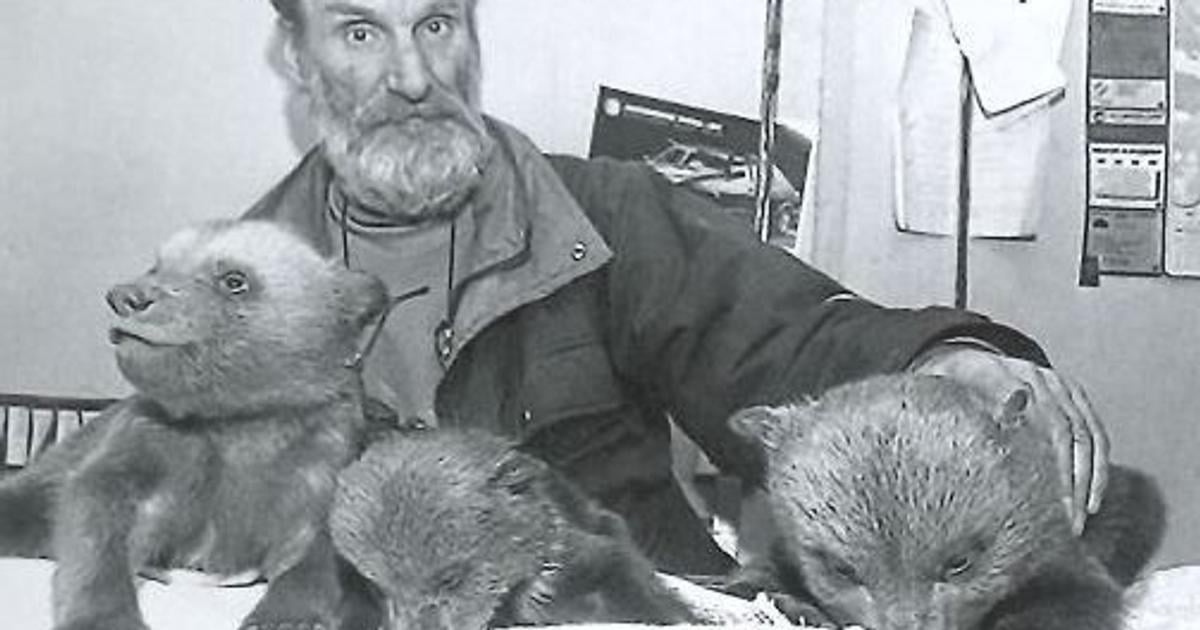
In 1997, three bear cubs were born in Košice Zoo, a young institution still searching for its identity in a country adjusting to new political and economic realities. The zoo lacked space and experience. When a Czech circus owner offered to buy the cubs, the decision was framed as practical rather than controversial. The bears were named, briefly admired, and sold, according to Korzár.
The story might have ended there. But news of the sale travelled beyond Slovakia, reaching Brigitte Bardot in France. By then, she had long left filmmaking behind and was known instead for her uncompromising defence of animal welfare. How exactly Bardot learned of the sale was never confirmed.
Bardot wrote directly to Rudolf Schuster, then a senior figure in Košice’s administration and later Slovakia’s president. Her letter was personal and direct. Bears, she argued, did not belong in circuses — not as performers, not as commodities.
Schuster later recalled that the letter prompted him to act. The sale itself could not be fully reversed, but it was not beyond negotiation. Legal options were examined. Discussions followed with the circus management. In the end, two of the three bears were returned to Košice. The third remained with the circus, a reminder of the limits of intervention.
Bardot was invited to visit the zoo, but she never did. Commitments, distance, and time intervened. Still, her involvement left a mark.
Today, visitors pass the bear enclosure without knowing the story behind it. Yet the bears are there, and that fact is inseparable from Brigitte Bardot’s legacy in Košice: a single letter, written from France, insisting that some lines should not be crossed.